

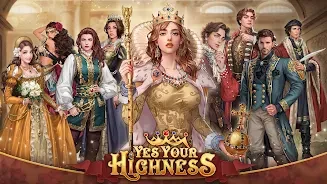
Yes Your Highness centers on the life of a noble lord in a medieval setting, combining realm management with family affairs and exploration. The stated goal is to develop your realm and rise toward becoming a monarch who can found an empire.
Recruit figures to support the realm
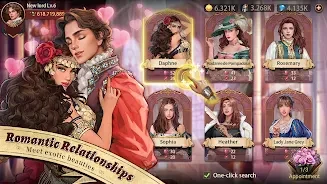
Recruiting legendary historical figures is one part of developing the realm. The source describes these figures as having distinct abilities and strengths, so recruitment involves choosing whom to bring into your cause. It does not specify individual abilities or explain how they affect particular tasks, but it presents recruitment as a strategic element alongside the realm’s development.
Manage the house and its affairs
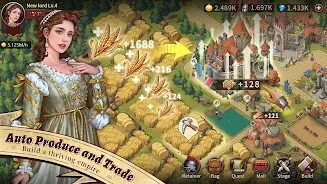
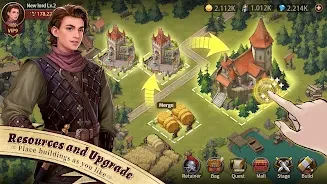
The game also asks you to manage a noble house and handle realm affairs. These responsibilities sit alongside the broader aim of growing in power and status. The source does not give detailed rules for how management decisions work or identify specific resources, so the documented focus is on overseeing both the household and the realm rather than on a particular economic system.
Raise heirs and arrange marriages
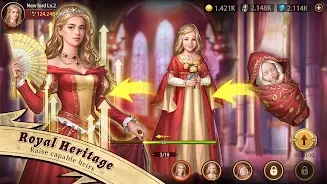
Family management includes raising heirs and arranging advantageous marriages for them. These activities are connected to securing the noble family’s legacy. They add a dynastic dimension to the lord’s responsibilities, though the source does not explain marriage outcomes or provide a detailed account of how heirs progress.
Explore and meet characters
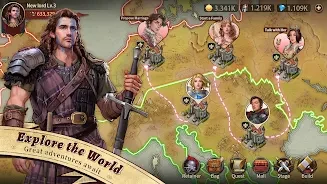
Exploration takes the lord to new and exotic locations, where the game describes meeting intriguing characters and finding romance. The source also mentions quests and the possibility of uncovering treasures. These activities broaden the experience beyond house and realm management, while the precise quest rules and rewards are not specified.
Progress toward an empire
The stated progression is from noble lord toward a powerful monarch capable of founding an empire. Recruitment, realm development, family responsibilities, and exploration are presented as parts of that larger journey. The source does not describe a fixed sequence or explain how these activities determine progress, so the profile is best understood as a collection of linked noble, dynastic, and exploratory roles.