
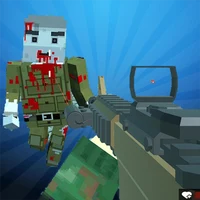
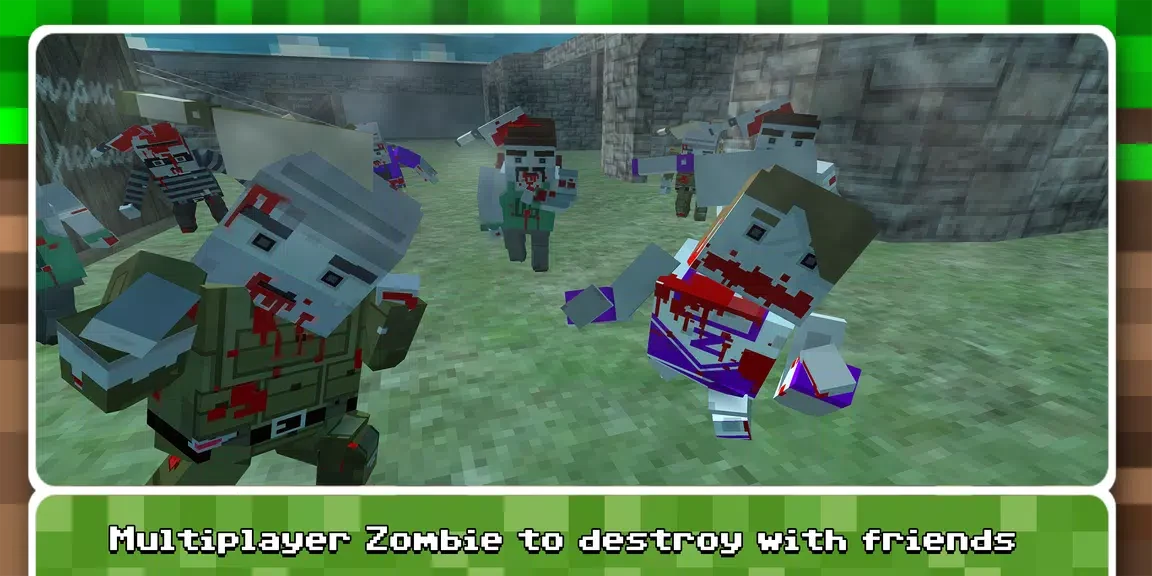
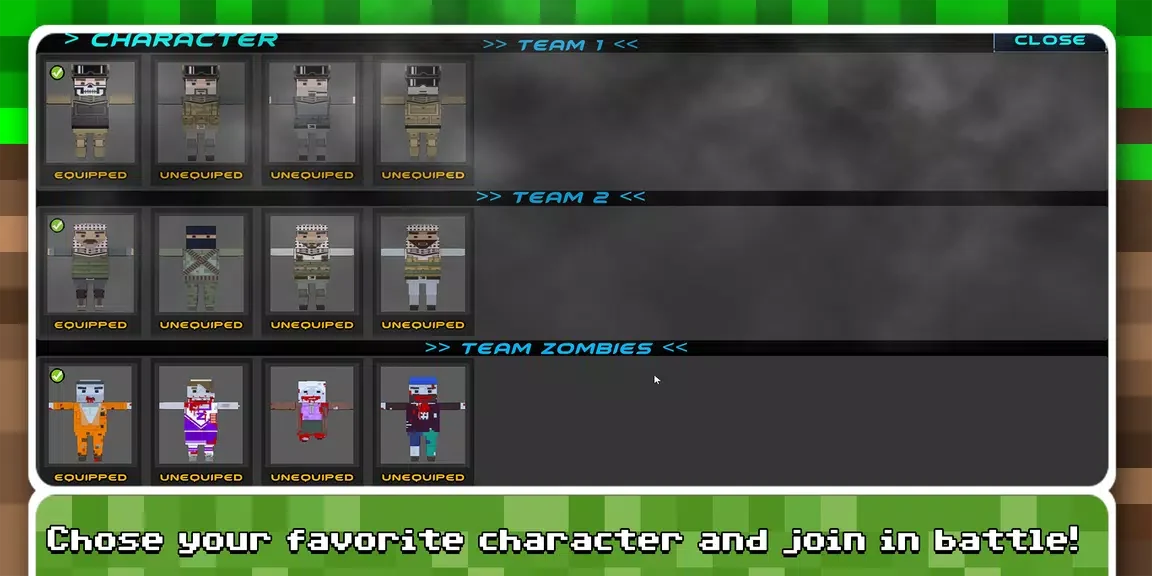
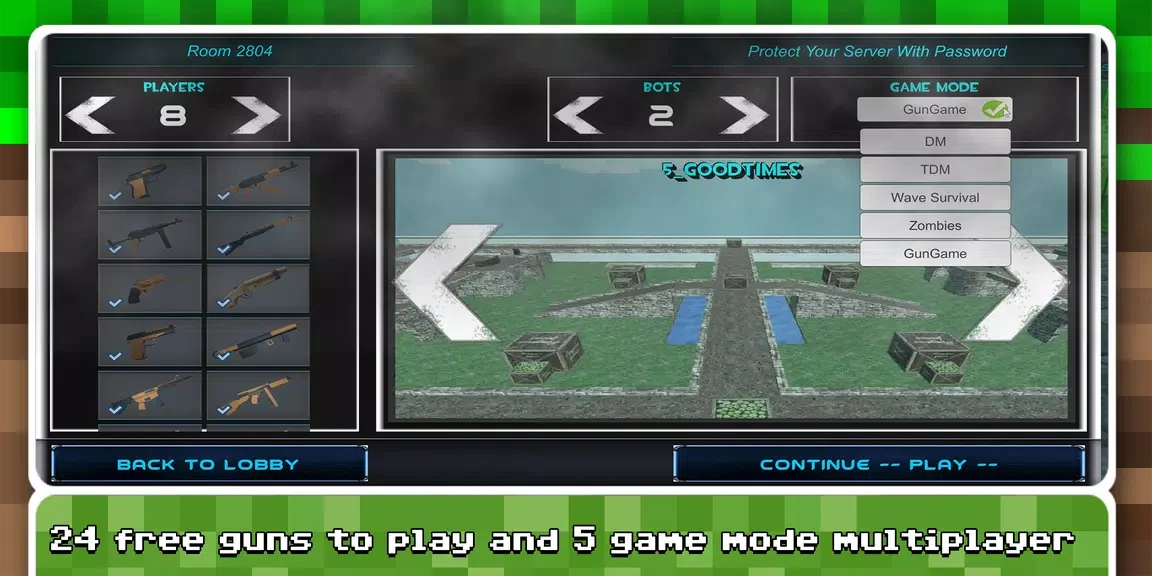
Xtreme Combat Zombie Survival places players into compact, fast-paced 3D pixel shooter matches where accurate aim, smart positioning, and squad coordination dictate survival. By blending retro blocky visuals with modern shooter mechanics, the title allows participants to select specific loadouts, choose between cooperative teamwork or solo free-for-all play, and adapt their tactics across diverse maps built for intense encounters. The design emphasizes quick resolutions and meaningful tactical decisions, providing an experience focused on situational awareness and rapid engagement rather than long downtime or complex, sprawling battle arenas.
Core Multiplayer Modes and Arsenal
The core experience revolves around short multiplayer FPS matches divided into two primary modes: Team vs Team and Players vs All free-for-all configurations. These matches typically host roughly 10 to 14 players, rotating through a dozen distinct maps that feature everything from narrow indoor corridors to areas with extended sightlines. Combat variety is driven by a broad selection of weaponry, including pistols, shotguns, assault rifles, submachine guns, sniper rifles, and heavier ordnance such as RPGs or bazooka-style arms. These weapon choices give players clear role options that directly influence how they approach each round and interact with the environment.
Tactical Movement and Combat Mechanics
Gameplay centers on brief, decision-packed rounds where pre-match loadout selections and in-combat resource management have a direct impact on performance. Shooting within the pixelated 3D world feels deliberate, as factors like weapon recoil, reload timing, and target acquisition dictate outcomes. Tactical movement takes precedence over repetitive inputs, requiring players to utilize cover, control choke points, hold high ground, and execute successful flanks. Matches encourage adaptive playstyles, allowing participants to swap between stealthier rifles for distance engagements or run-and-gun setups with SMGs and shotguns when navigating close-quarter environments.
Mobile Controls and User Interface
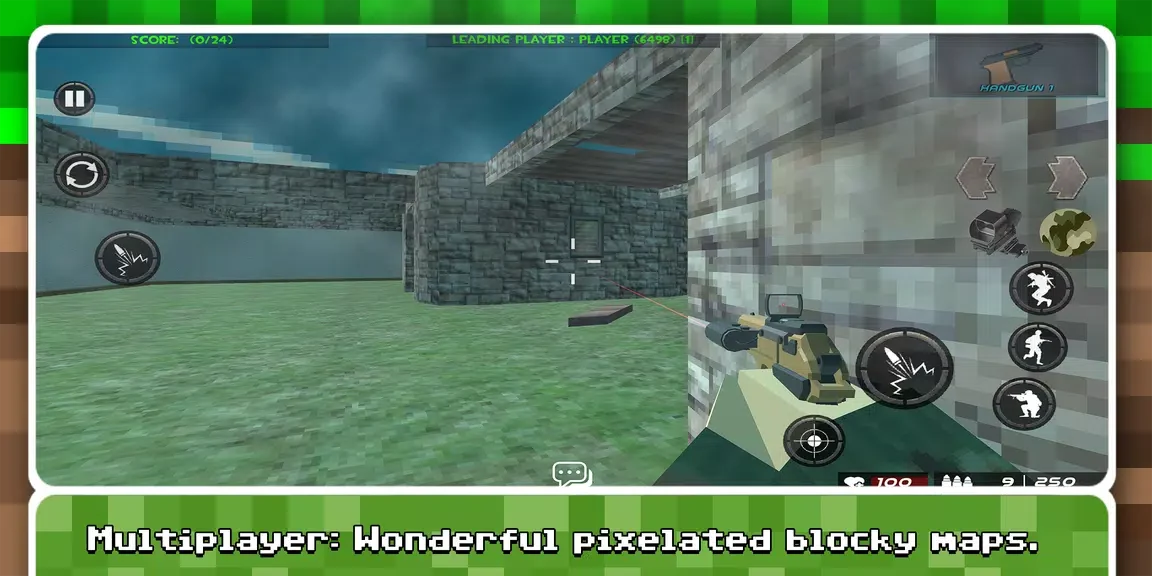
The control scheme is specifically tuned for mobile play, providing a clear touch layout that places movement, aiming, firing, reload, and melee controls within easy reach. Players can adjust sensitivity and button placement within the settings menu to tailor the heads-up display to different screen sizes and hand preferences. The user interface keeps essential information visible without unnecessary clutter, displaying the current weapon, remaining ammunition, and a compact minimap when available. This layout preserves combat flow and helps maintain situational awareness during hectic firefights.
Visual Style and Compact Level Design
The game employs a pixelated 3D aesthetic that balances retro nostalgia with clear gameplay readability. Blocky characters, weapons, and environment assets are designed to communicate important information quickly, ensuring that sightlines, cover spots, and elevation changes remain obvious during active combat. Levels are deliberately compact to maintain high match intensity, incorporating multiple tactical layers such as alternative flank routes, vertical spaces, and close-quarter rooms. This design promotes varied approaches and emergent scenarios in every session.
Progression, Accessibility, and Scope Limitations
Progression emphasizes personal skill, weapon familiarization, and tactical experimentation over long grind cycles or complex unlock trees. Replayability is sustained by short match lengths, variable loadouts, and the unpredictability of human opponents, supported by accessibility options like adjustable control layouts and sensitivity settings. Depending on the specific build, limited local practice or bot-based tutorials may also assist newcomers in learning map layouts and weapon behaviors. However, the title is not designed as a large-scale battle arena; its modest player counts and focus on two primary modes result in a streamlined competitive loop. Furthermore, the retro pixel-art presentation intentionally forgoes photorealism, meaning those seeking high-fidelity graphical details may need to look elsewhere.