

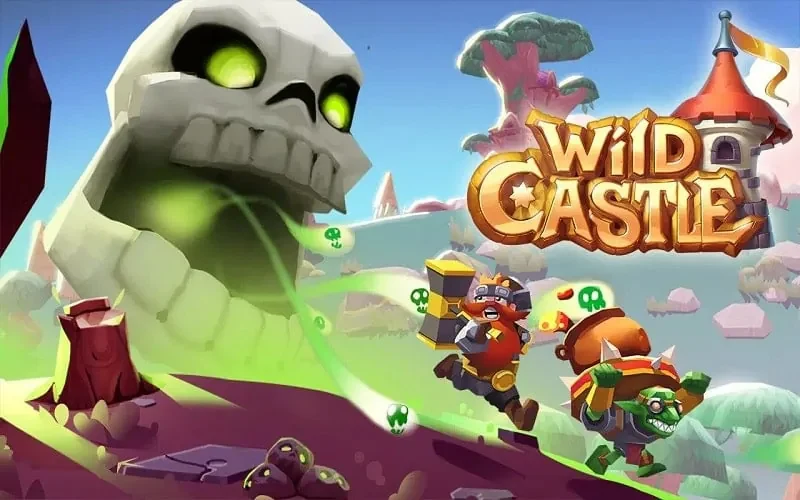
Wild Castle is a casual tower defense game where you build up a castle, place defenses and heroes, and hold off successive waves of monsters. Its main challenge is balancing defensive layouts with hero roles and long-term upgrades as enemies become tougher. Heroes bring different active and passive abilities that can work together, while real-time combat gives players opportunities to adjust placement and time skills. An auto-battle option supports more hands-off progression, so the game accommodates both active strategy and shorter, less involved sessions.
How do castle defenses and real-time battles work?
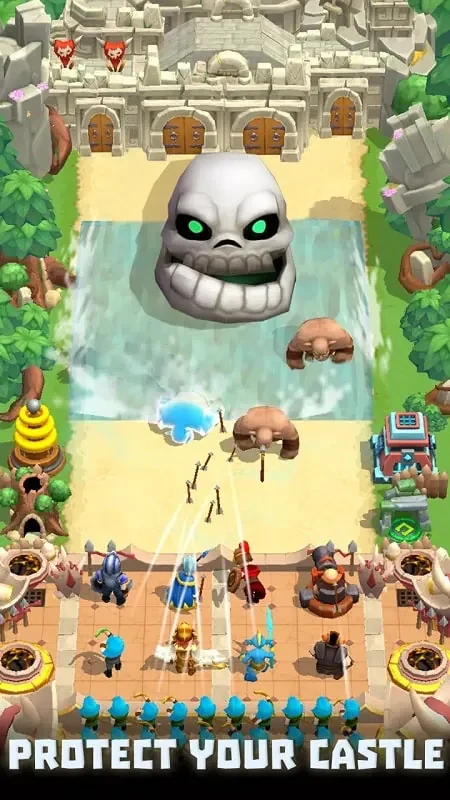
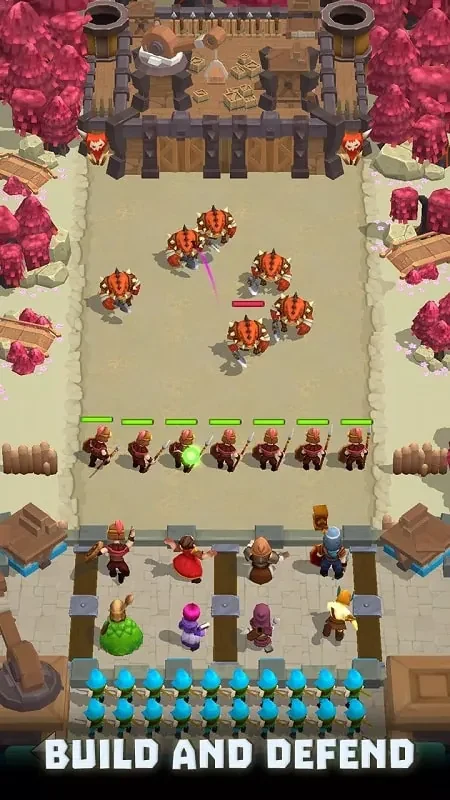
Players place units and defensive structures around a central keep, then position heroes to block enemy lanes, use area skills, or apply buffs and debuffs. Battles play out in real time, so unit placement, upgrade choices, and the timing of skill activations can affect how a defense holds up. Touch controls use drag-and-drop placement and taps to activate or upgrade abilities.
Enemy waves arrive in different patterns and formations, calling for changes in strategy between levels. Some stages focus on a single powerful foe, while others challenge players to withstand many smaller attackers. The game’s readable unit designs and distinct ability effects are intended to make activity on the battlefield easier to interpret.
How do heroes and castle upgrades shape progression?
Wild Castle’s hero roster supports different team combinations: characters have unique active and passive abilities, and complementary heroes can create useful synergies. Heroes gain battle experience, with higher levels unlocking skills and improving stats. Trying different combinations is part of refining a team rather than relying only on repeated combat.
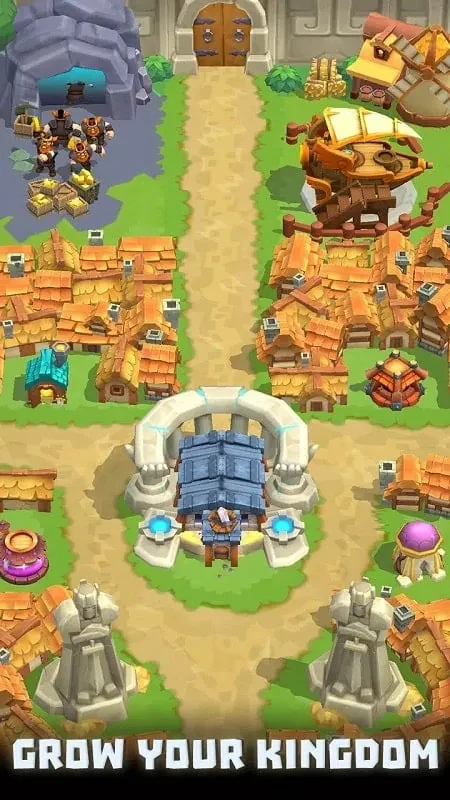
Expanding the castle can increase defensive power and may open new placement options and upgrade paths. Resources therefore involve choices about which capabilities to develop. Progress is described as a steady process of repeated runs and team refinement, rather than a sequence of rapid power gains; unlocking and leveling heroes can take time, especially when pursuing particular synergies.
Can you play without managing every battle?
Auto-battle reduces micromanagement and supports steady rewards when you prefer passive advancement or are multitasking. For more direct play, manual control lets you focus on positioning and skill timing. Because auto-battle removes some hands-on decisions, players who enjoy managing each encounter may find that approach less engaging for certain challenges.
Menus provide access to roster and castle management, and settings include audio and visual toggles for volume and effect intensity. These options let players adjust the presentation to their preferences. The combination of touch controls and auto-battle also suits different session styles, from brief check-ins to longer runs focused on tactical decisions.
What gives stages and repeat runs variety?
Stages increase in difficulty and vary enemy types and formations. Some are short, focused encounters; others require defending against multiple waves over a longer stretch. Replaying lets players refine layouts, try different hero combinations, and work toward stronger scores on global leaderboards, which provide a way to compare results with players worldwide.
Daily or seasonal events are not required for steady progress, according to the supplied game information. Wild Castle may suit players who want approachable tower defense controls with room to experiment with teams and upgrades over time. Those seeking fast progression or constant manual control may want to consider the repeated-run progression and optional auto-battle when deciding whether its pace fits them.