

We are Together Now is an interactive story about Lisa, Tim, and Tom as they face changes and challenges in family life. The game combines storytelling with simulation, puzzle-solving, and relationship-building elements. Its central activity is following the family’s evolving story and making decisions that affect what happens next.
Choices shape the family story
Players make choices throughout the narrative, and those decisions can trigger further events or change the story’s direction. The source describes choices as affecting the family’s relationships and opportunities; for example, supporting one family member’s career aspirations over another’s can create tension while opening new possibilities. This connects decision-making to both the plot and the family’s changing dynamics, rather than presenting the story as a fixed sequence of events.
Relationships and changing circumstances
The family members are described as having their own dreams, fears, and flaws. Their relationships include affection, loyalty, jealousy, and conflict, giving the story more than one kind of interaction to follow. As circumstances change, the characters support one another through difficulties and share in their successes. The narrative also features unexpected developments, although the source does not detail particular scenes or specific puzzle mechanics.
Multiple possible endings
Decisions made along the way lead to different endings. These can range from a harmonious family resolution to more bittersweet or tragic outcomes, so the conclusion reflects the choices made during the story. The source does not specify how many endings there are or describe a chapter or level structure.
Visual presentation
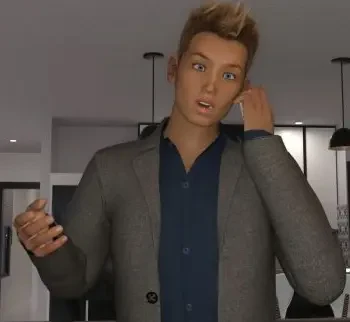
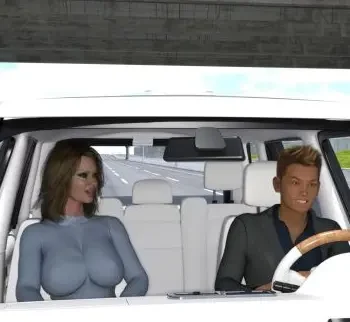
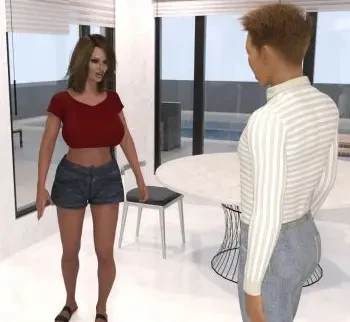
The game is described as using detailed, vibrant visuals for the family, their home, and surrounding environments, along with smooth animations. These elements accompany the narrative and character interactions. Beyond naming simulation, puzzle-solving, and relationship-building as part of the experience, the available description does not explain their individual rules or controls.