

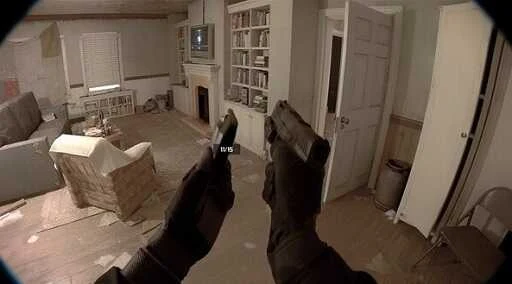
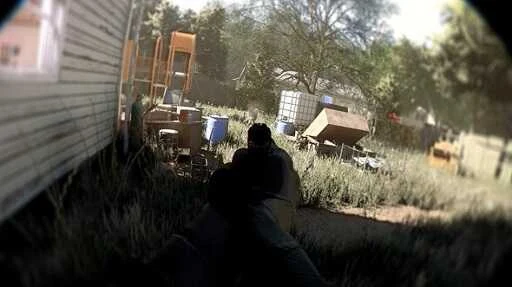
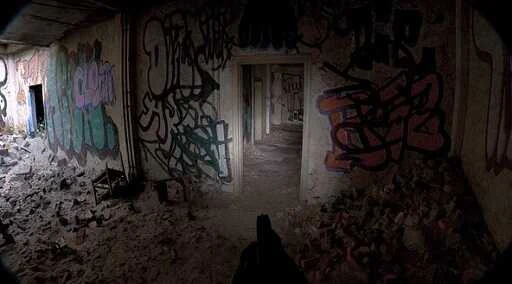
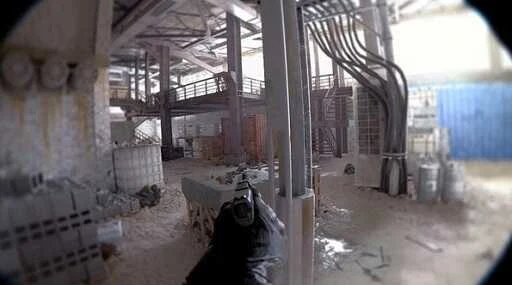
Unrecord puts players in the role of a special forces operative moving through dangerous locations, where careful observation can matter as much as accurate shooting. The game combines a structured series of missions with real-time firefights and investigative sequences, giving players objectives to pursue between encounters. Its body-camera-style viewpoint makes movement and awareness part of the challenge: players must watch corners, manage sightlines, and choose when to use cover. As missions progress, new weapons and equipment can be unlocked and configured to suit different approaches.
Objectives guide the campaign
The game uses a single-player mission flow, with objectives directing players through each level. Story details between stages provide context for the targets and the wider operation, while the difficulty rises as the campaign advances. This structure gives each mission a clear purpose and links combat encounters to the unfolding story rather than presenting them as isolated fights.
A body-camera view changes how you move
Unrecord presents action from a perspective styled after a tactical officer’s body camera. The viewpoint affects how players read angles and perceive weapon recoil, so moving through a tight interior calls for attention to positioning. Peeking around corners and checking a space before entering can help players understand what lies ahead. The source describes a restrained on-screen interface, placing more emphasis on visual observation and deliberate decisions than on relying on a prominent HUD.
Combat rewards positioning and timing
Firefights call for quick reactions and controlled aim, but rushing is not the only option. Players can use cover, manage sightlines, and time reloads while enemies put pressure on their position. Some situations may suit a slow room-clearing approach, while an opening can make a faster push possible. Different enemy types and varied locations, including urban streets and interiors, provide changing circumstances for these tactical choices.
Investigation adds a slower rhythm
Between action sequences, players can examine crime scenes, collect discarded evidence, and follow clues connected to a mission. The description gives a blood trail leading to a hidden suspect or revealing a trap as an example of how observation can move an investigation forward. Suspect interactions also feature in the described gameplay. These quieter tasks offer a contrast to combat and help connect the mission’s events to its story.
Equipment and repeated attempts
Weapons and gear can be unlocked as players advance, then customized to support different combat styles. The game is also described as using a retry-based structure: after failing a mission, players can reconsider their choices, positioning, use of cover, or weapon selection and try a different approach. The supplied description notes that Android adaptations may differ from the PC game in visual fidelity, performance, or content, so those details should not be assumed to match across versions.