
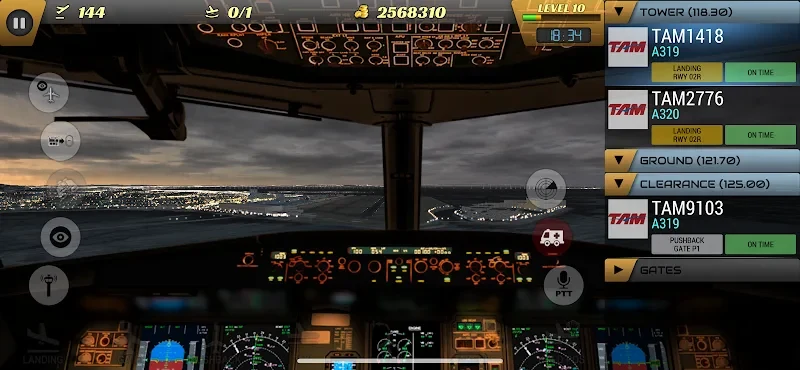
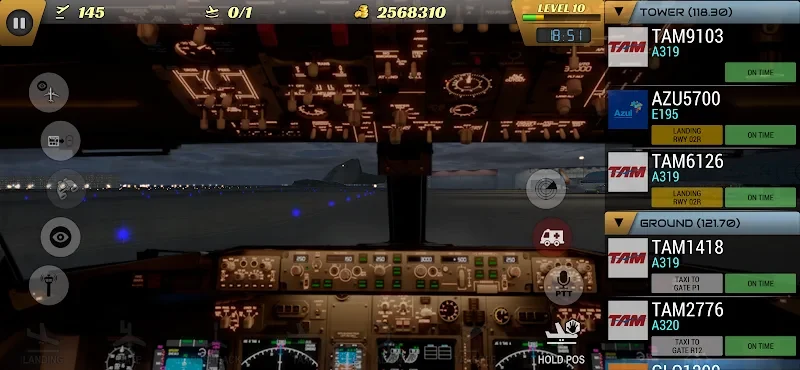
Unmatched Air Traffic Control puts you in the role of an air traffic controller managing aircraft at a busy airport. You must coordinate takeoffs and landings, anticipate flight paths and arrival times, and keep aircraft safely separated as traffic increases.
What is the main objective?
The central objective is to guide aircraft through airport operations without collisions. This includes arranging departures and arrivals in the correct order, monitoring the movement of multiple aircraft, and maintaining an efficient flow of traffic. The game presents air traffic management as a sequence of decisions where safety takes priority over rushing aircraft through the airport.
How does the air traffic simulation work?
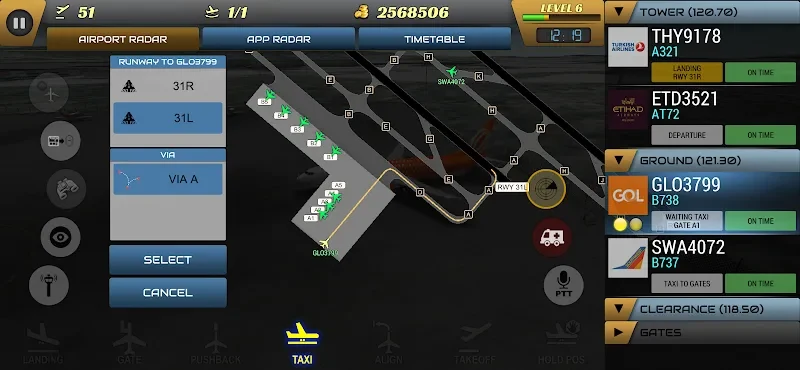
The simulation covers several parts of airport coordination, including landing sequences, takeoff sequences, movement on the ground, and collision avoidance. You are expected to track aircraft altitude, speed, position, and intended path while deciding how their movements should be organized. As more aircraft enter the situation, the need to observe several developing routes at once becomes more important.
What kinds of scenarios are included?
The documented scenarios vary in traffic volume and difficulty. Later situations can involve more aircraft, adverse weather conditions, and emergencies, creating additional factors to consider while managing the airport. This progression changes the pace of play from relatively straightforward traffic control to more demanding situations that call for faster reactions and careful planning.
Are the controls suitable for new players?
Unmatched Air Traffic Control uses a simple interface and straightforward controls intended to be easy to understand. The source describes the controls as intuitive rather than dependent on complex instructions, so players can focus on identifying aircraft and organizing their movements. Control settings are also described as adjustable for sensitivity, difficulty, and gameplay speed, although the available settings may depend on the particular version.
What should players pay attention to during a session?
Players need to watch the entire control area rather than focusing on only one aircraft. Flight information displays and radar are identified as useful tools for checking the status of aircraft, while altitude, speed, and position help reveal possible conflicts. Keeping aircraft properly spaced and checking for competing movements are important parts of the documented approach to traffic management.
How does progression change the experience?
Aircraft numbers increase across the levels, making traffic flow harder to arrange and requiring quicker decisions. The growing complexity is intended to test concentration, memory, and logical thinking while retaining a streamlined airport-management format. The combination of changing scenarios and rising traffic gives the game its main progression structure without requiring a complicated interface.
What visual and audio elements are described?
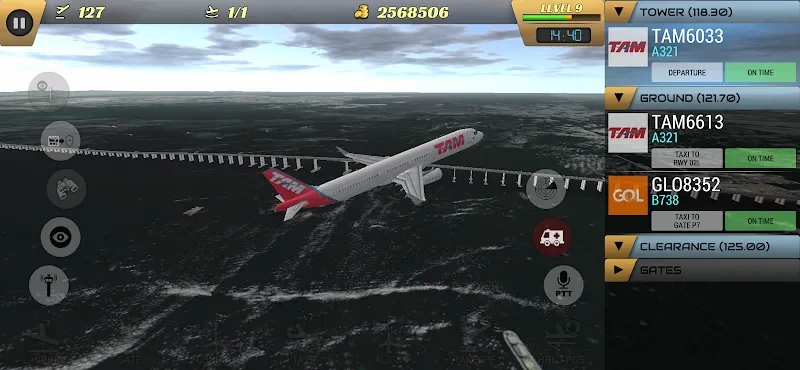
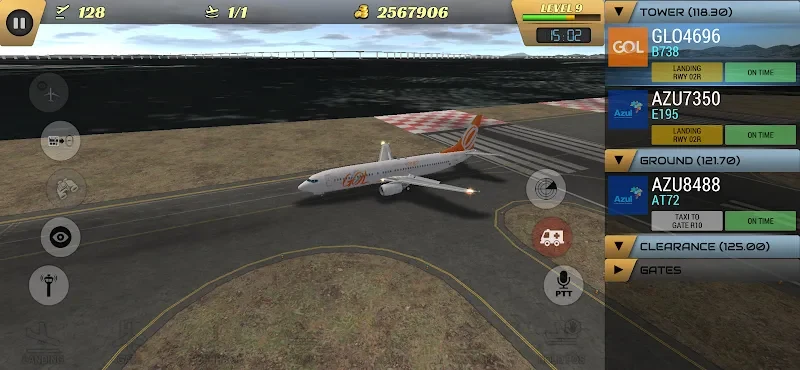
The game presents visual representations of airports and aircraft alongside sound effects and audio cues. These elements are described as supporting the simulation of airport operations and helping players follow events as they manage takeoffs, landings, and other aircraft movements.