

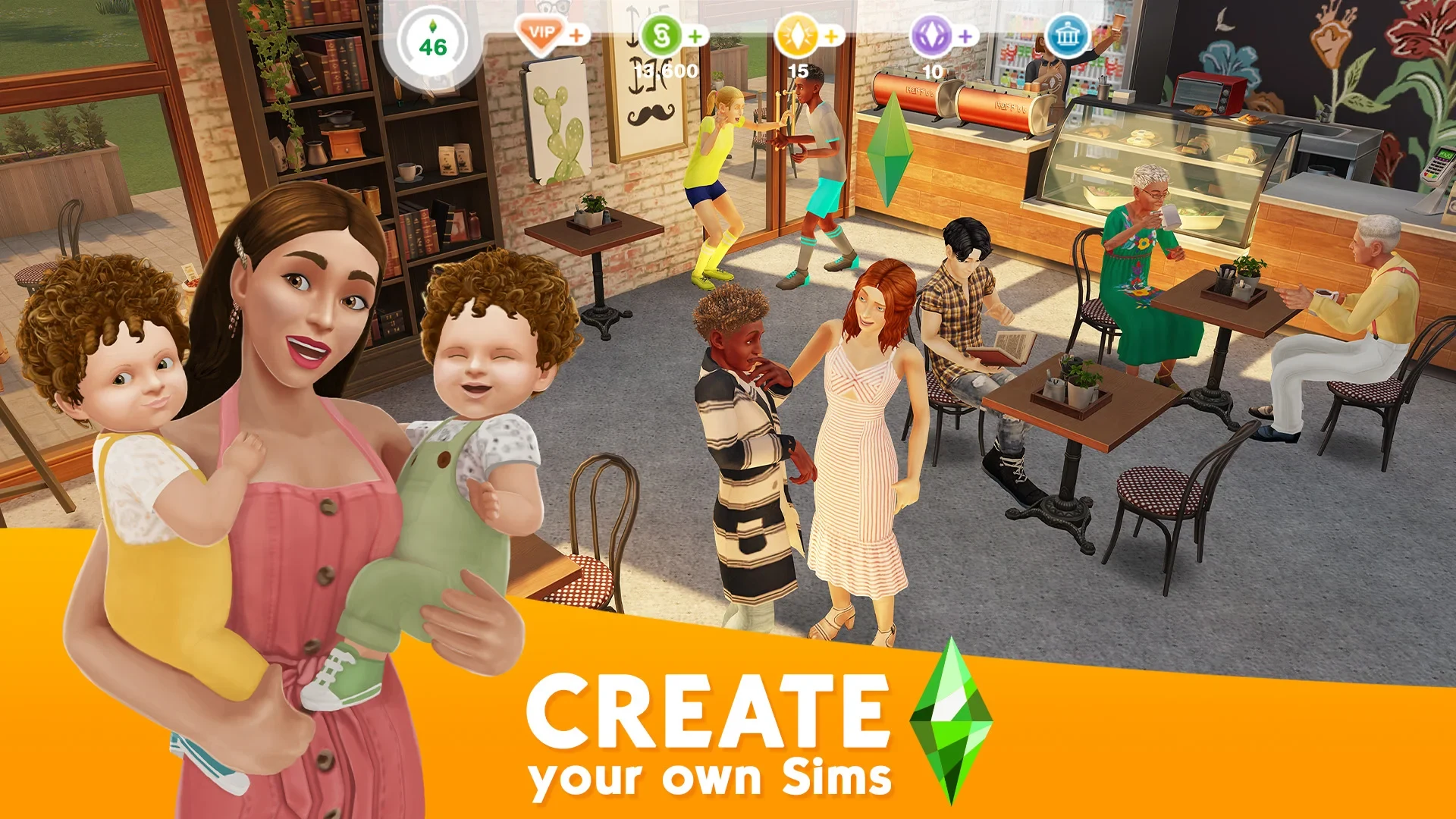
The Sims FreePlay Mod lets players build a town around the lives of the people who inhabit it. You can create Sims, furnish their homes, and direct activities that earn resources for further development. That connection between personal stories and town planning gives everyday tasks a purpose: work and hobbies help support new spaces, while new spaces give Sims more to do. Relationships and families add another layer, with characters moving through life stages as the town grows. Progress happens in real time, so both short activities and longer goals become part of the routine.
Creating Sims and shaping their homes
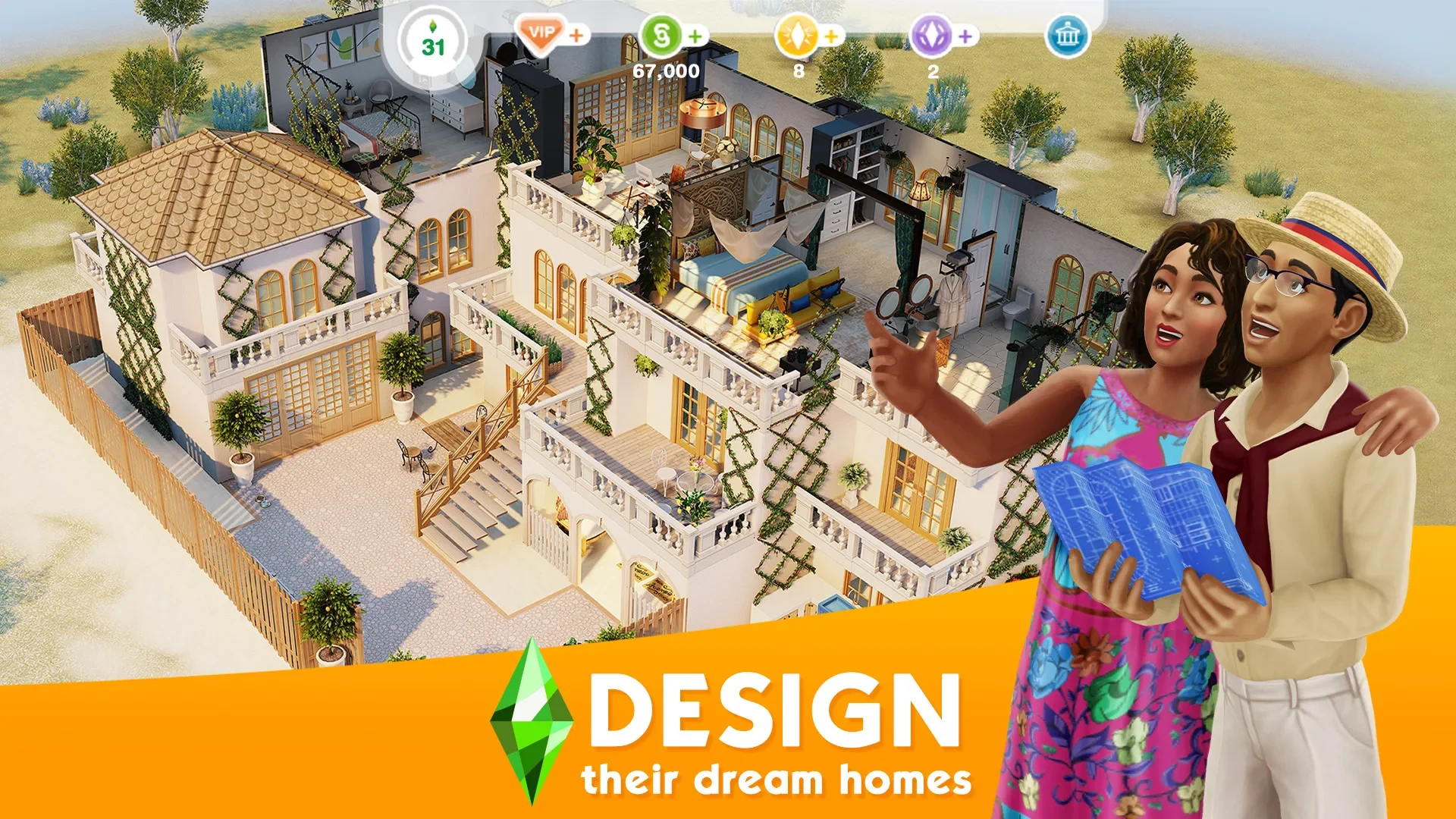
Players can customize their Sims’ appearance, including outfits and hair, then design houses around the way they want those Sims to live. Home-building options described in the source include room layouts, furniture, décor, pools, and multiple floors. The focus is not limited to individual houses: living facilities, recreational spaces, and public venues give the wider town a role in residents’ activities. The game allows a maximum of 34 Sims under its stated population rules, although the source says purchases from the online store can grant VIP status and raise the number permitted in a town.
Building and population choices are linked. A free house makes it possible to create a new adult Sim without an additional creation cost, while the number of residents affects how many couples and families can live in the town. As the population grows, players can work toward more neighborhoods and locations for careers, hobbies, and gatherings. This makes deciding what to build a practical part of managing the community, not just a visual choice.
Directing daily tasks and earning resources
Sims do not independently carry out the actions described here; players instruct them to work, meet needs, and pursue other activities. Those actions take real time and can award Simoleons, Lifestyle Points, or Social Points. The three currencies support different parts of progression, including purchases and certain family-related activities. Players can also complete required quests or take on optional discovery quests. Across 60 levels, progression unlocks content such as furniture that can then be bought with in-game currency.
Careers give daily tasks some structure, with locations such as the Police Station, Movie Studio, and Hospital mentioned in the source. Hobbies provide other ways to spend a Sim’s time, including cooking, fashion, salsa, and puppy training. Because quests and building plans can require resources, choosing between an immediate purchase and a later goal is part of play. Some quests take a long time, and the source notes that Lifestyle Points can be used to finish certain tasks sooner.
Relationships, children, and six life stages
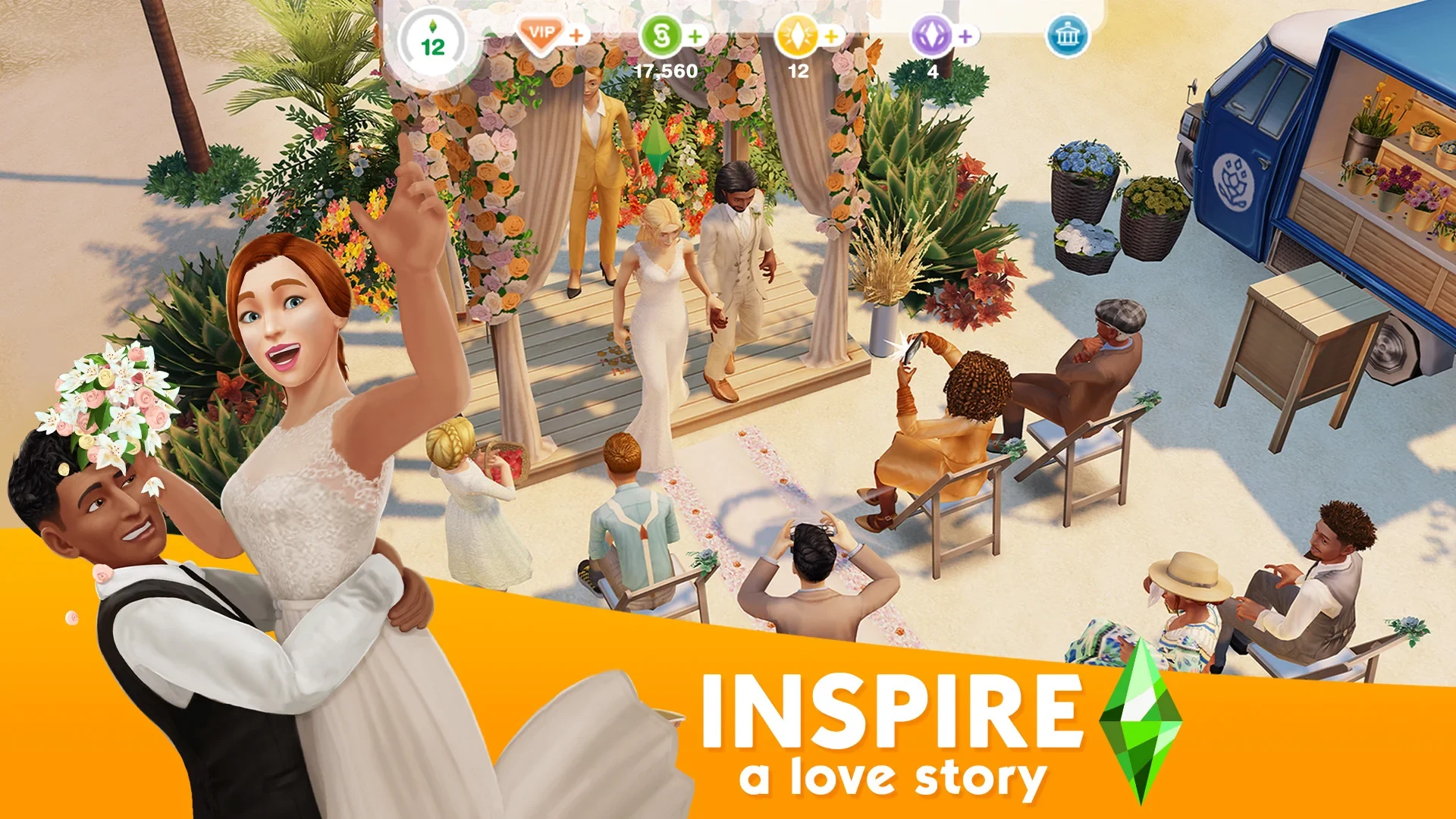
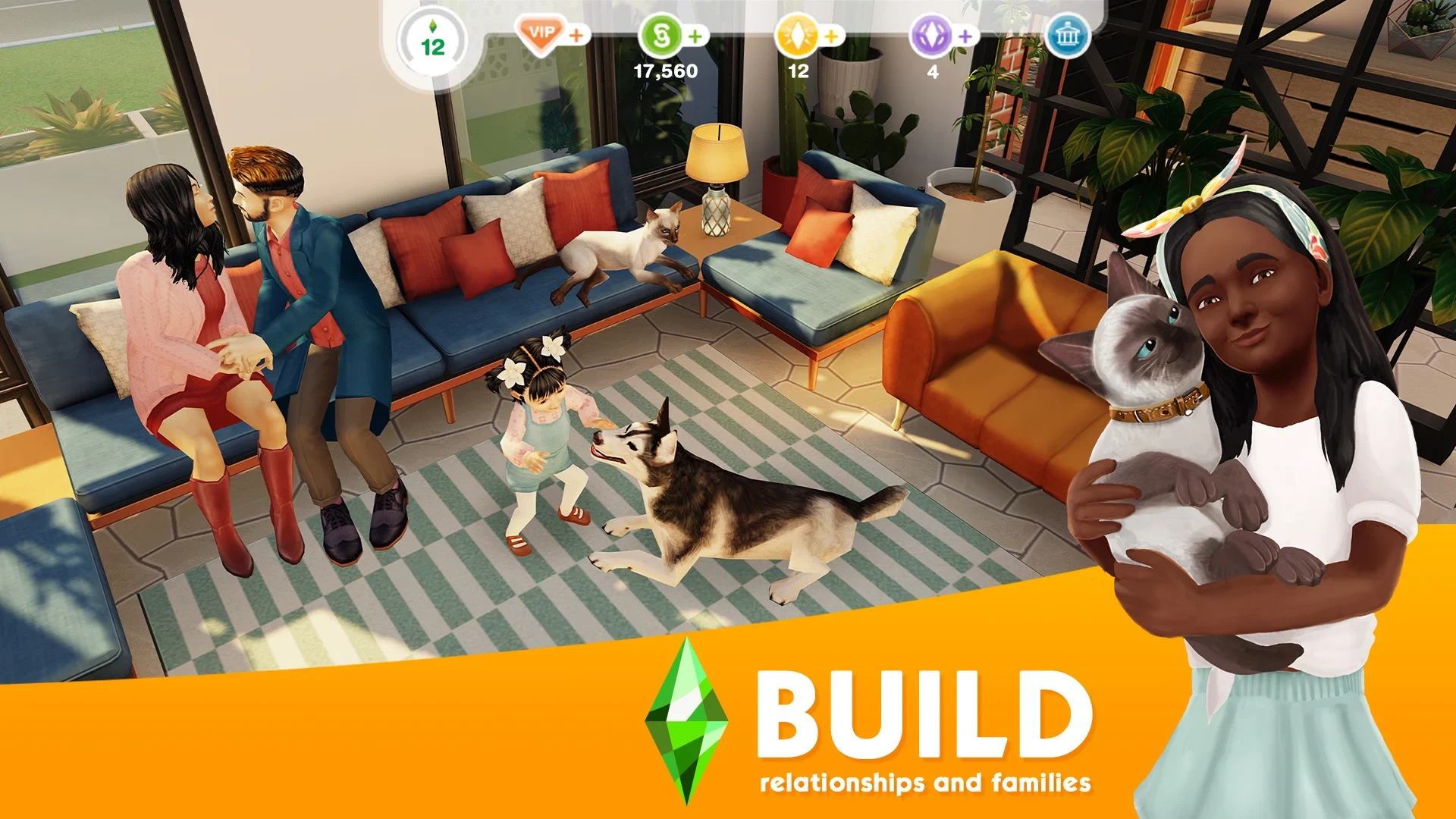
Players can guide Sims through dating, marriage, and family life, but marriage is not required for a baby. The source describes both a crib-based route to adding an infant and pregnancy events for adult female Sims. It describes two pregnancy options lasting six or nine days, with activities during the longer option contributing to a bonus for the child. Only one pregnancy event can run at a time. After a baby arrives, players can choose details such as its name and appearance.
Sims move through six stages: infant, toddler, preteen, teen, adult, and senior. These stages change what a Sim can do, so growing a household also changes its daily tasks. Toddlers can walk and play but still need help with food and washing. Preteens can attend elementary school and pursue ballet or karate; teens can form romantic relationships and use cooking appliances. Adults can work, build homes, and start families, while seniors gain activities such as bingo and other hobbies. Aging uses birthday cakes, with some progression tied to discovery quests.
Exploring the wider town
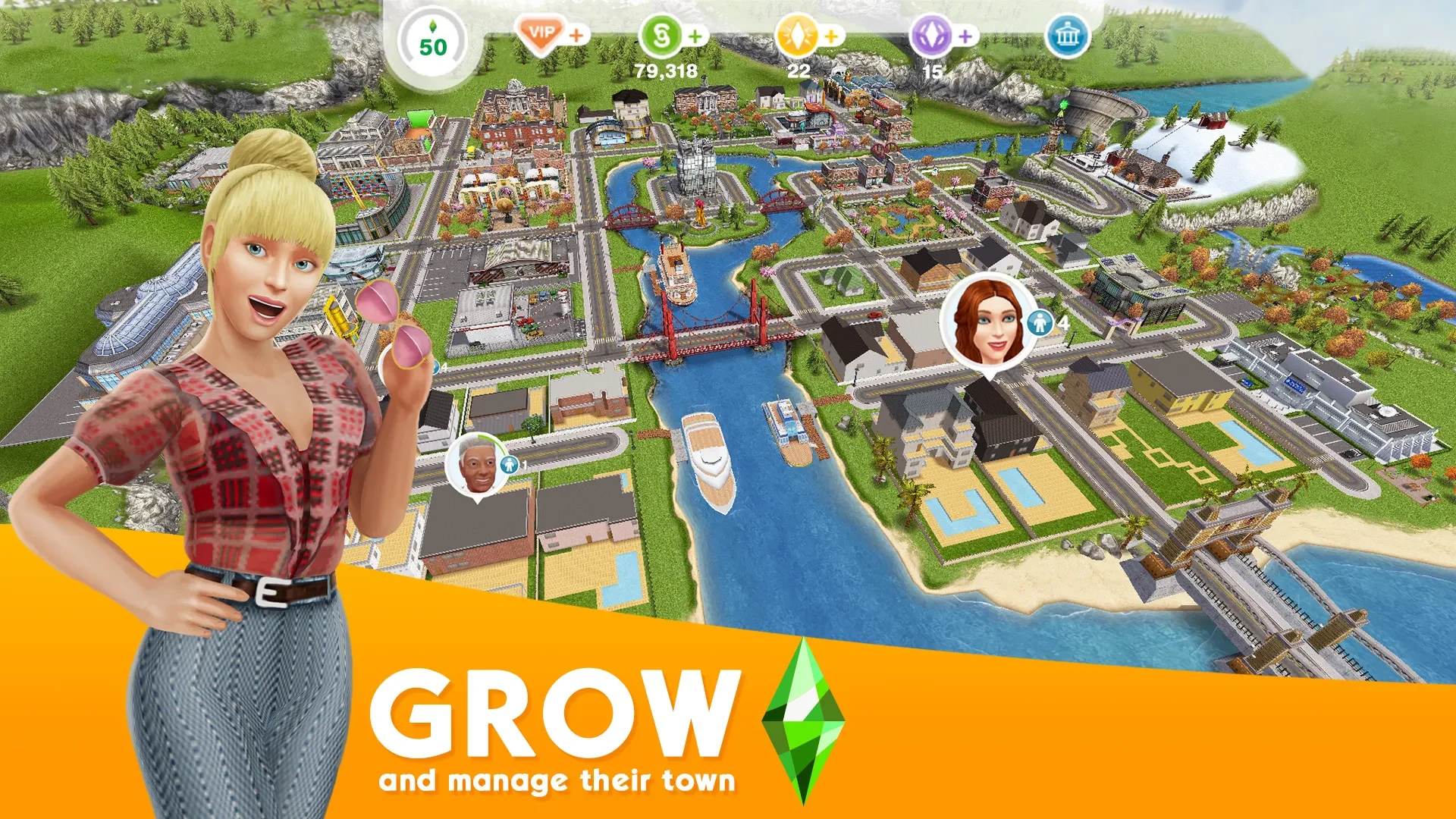
Town development opens places that support work, recreation, and social plans. Players can visit friends’ homes or towns to look at their buildings and spend time together, including hosting parties. These visits offer a way to see different approaches to house design alongside the building choices available in a player’s own town. Pets also appear in the range of activities described by the source, with puppy training listed among the hobbies.
Planning around real-time progress
The game’s real-time structure is worth keeping in mind when setting goals. Actions require player direction and may take a while to finish, while quests can call for substantial amounts of Simoleons or other currencies. Family plans have their own timing and limits, including the one-at-a-time restriction on pregnancy events. For someone who enjoys managing routines as well as designing spaces, those constraints provide decisions about which Sim, building project, or quest to focus on next.