

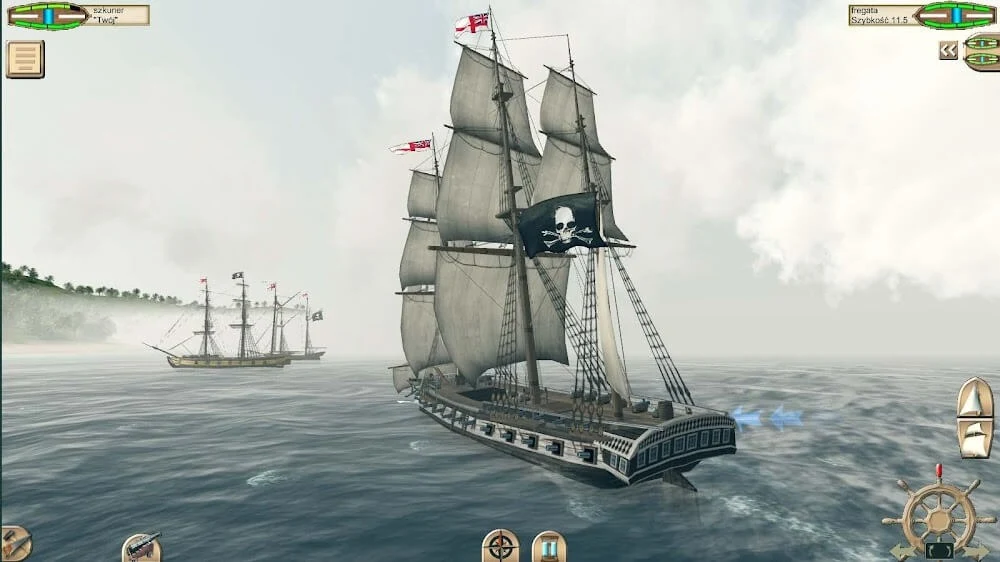
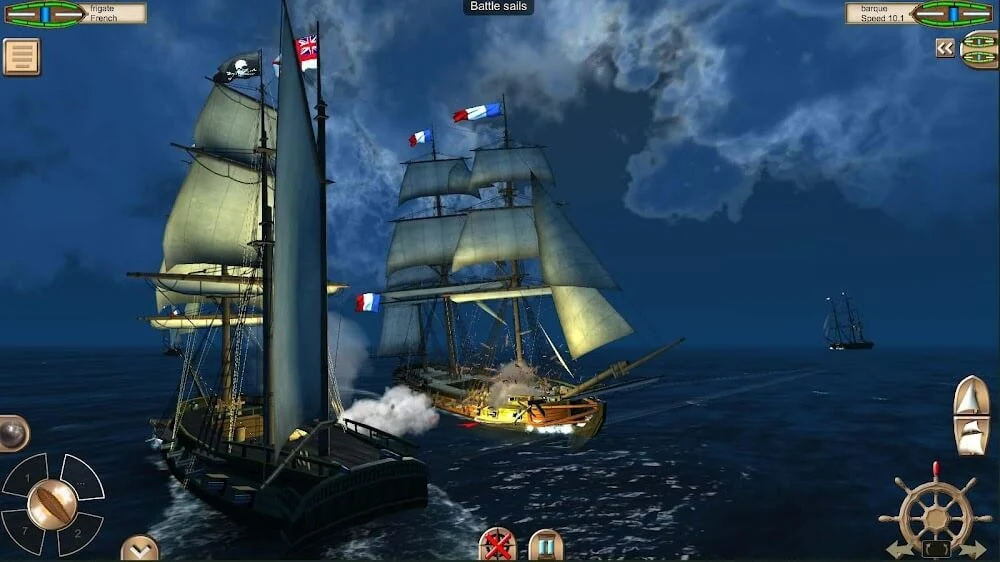
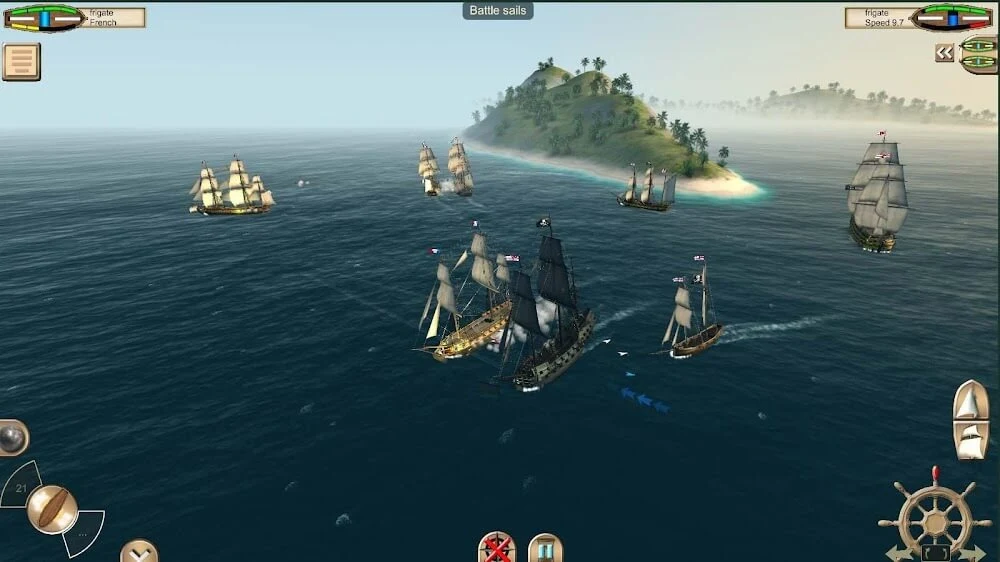
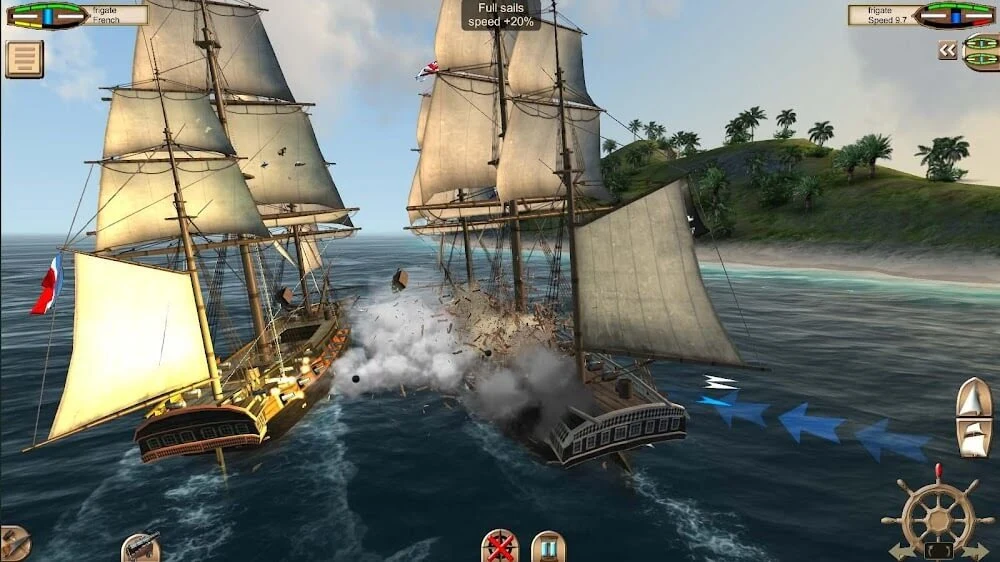
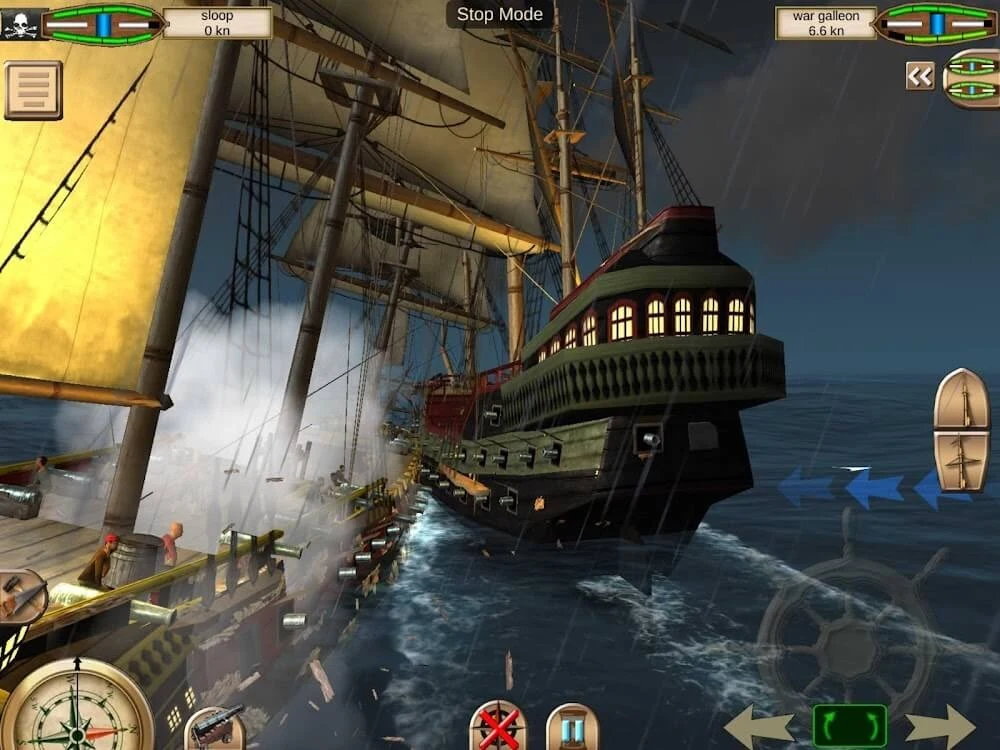
Overview
The Pirate: Caribbean Hunt puts you in command of a pirate fleet, with ship-to-ship combat, base development, and campaigns set across the Caribbean. You can build up ports and use the goods and gold they produce to develop captain skills, construct ships, and unlock weapons. At sea, the wind, distance, and timing affect how you sail and fight, while missions range from escorting vessels to smuggling cargo. The game also includes multiplayer, where you can host matches and invite friends to compete or cooperate against other players. Its mix of open-world sailing, economic choices, and naval action suits players who want more than a sequence of battles.
What You Can Do
⭐ Command ships from 20 classes, including speedy schooners and large war galleons. Build a fleet and take multiple vessels into combat; each ship can suit a different role or approach.
⭐ Choose how to engage opponents. Fire cannonballs, chain shots, grapeshot, bombs, or double-shots, or use flaming oil and explosive barrels. You can attack at range or close in to ram, depending on the situation.
⭐ Improve ships and captains. The source lists 30 ship upgrades and captain skills that add options for attacking enemies or defending ports. These upgrades support different fleet and combat strategies.
⭐ Explore a world with hundreds of islands and dozens of ports. Establish and develop bases, travel between locations, and encounter a day-and-night cycle. Sailing also involves considering weather, distance, and travel time.
⭐ Take on four campaigns with different conflicts and mission types. The first follows battles against pirates and ends with a fight against Henry Morgan; the second pits you against the West Indian Company. In “Jewel of the Caribbean,” missions include sinking, capturing, escort, and smuggling, and you eventually choose between Lady Tarrot, Captain Bloode, and Angela. That choice determines the story’s ending and a government port for your base, but the source says it does not change mechanics.
⭐ Continue the story in “A Siren’s Chilling Melody,” which follows “Jewel of the Caribbean.” The campaign involves a conflict in Brazil and concludes with a battle for Rio de Janeiro. It requires both Brazil maps, and victory can give you the opportunity to capture a rare premium vessel.
⭐ Play solo scenarios or multiplayer PvP and PvE. The game includes convoy escorts, treasure hunts, rival-pirate encounters, and smuggling missions. Multiplayer lets you host matches and invite friends to compete or work together against other players.
Using the App
A typical session can combine planning on the map with sailing, fighting, and managing what you bring back to port. Wind and distance matter while travelling, so journeys may take time; the source specifically describes open-world sailing as a slower way to move between ports. Once you reach a destination, you can take on local or map-based missions, trade goods, or pursue a ship to capture. In combat, your choice of ammunition and distance from the enemy give you different ways to approach an encounter.
Port and base management connects these activities. Buildings produce goods and gold, which can support ship construction and upgrades. The source suggests checking bases to sell goods produced there and developing available buildings. It also describes trading cargo between ports: map icons indicate goods to buy or sell, while port news can help identify scarce cargo. Other listed ways to earn gold include attacking ports, selling captured ships and their supplies, completing missions, and finding treasure or hidden smuggler ports.
Managing a fleet involves balancing its size with ongoing crew costs. The source advises keeping crew numbers on ships you do not regularly use low, while retaining enough maintenance crew to prevent damage. It also notes that weekly crew payments make travel time relevant. A player comment says departures from a dock are limited to four ships, though more ships can be captured and sailed once at sea; treat this as a distinction between setting out from port and building a collection during a voyage.
Rubies are another resource mentioned in the source. They can be earned by completing daily challenges or periodically through multiplayer tournament rewards, or bought in the premium shop. The merchant guild is associated with managing base-produced goods, and the source recommends visiting bases to sell those goods if you have not built it. These systems give you several possible ways to develop your operation rather than relying on combat alone.
Why It May Appeal
✅ The game brings ship combat, trading, missions, and port development into one Caribbean setting. Players can move between these activities as they build their fleet, rather than focusing exclusively on battles.
✅ Campaign missions offer more than one kind of objective, including escort, capture, sinking, and smuggling. The “Jewel of the Caribbean” story also gives players a character choice that shapes the ending text and the government port they receive.
✅ There are several approaches to earning gold, such as trade, captured ships, port attacks, missions, and treasure. This variety may appeal to players who prefer to choose their own route to fleet growth.
✅ Multiplayer supports both competition and cooperation: you can host matches with friends, fight other players, or team up against them.
Things to Consider
❎ Sailing is shaped by distance, timing, and weather, and open-world travel can be slow. Players looking for rapid movement between every objective may find this pace less suitable.
❎ Access to “A Siren’s Chilling Melody” requires purchasing both Brazil maps, according to the supplied description. The game also has a premium shop, though the source does not establish that purchases are required to complete the other content.
❎ Fleet and base management involves recurring crew payments and upkeep considerations. Keeping unused ships staffed, travelling between ports, and maintaining ships are practical costs to account for alongside combat decisions.