

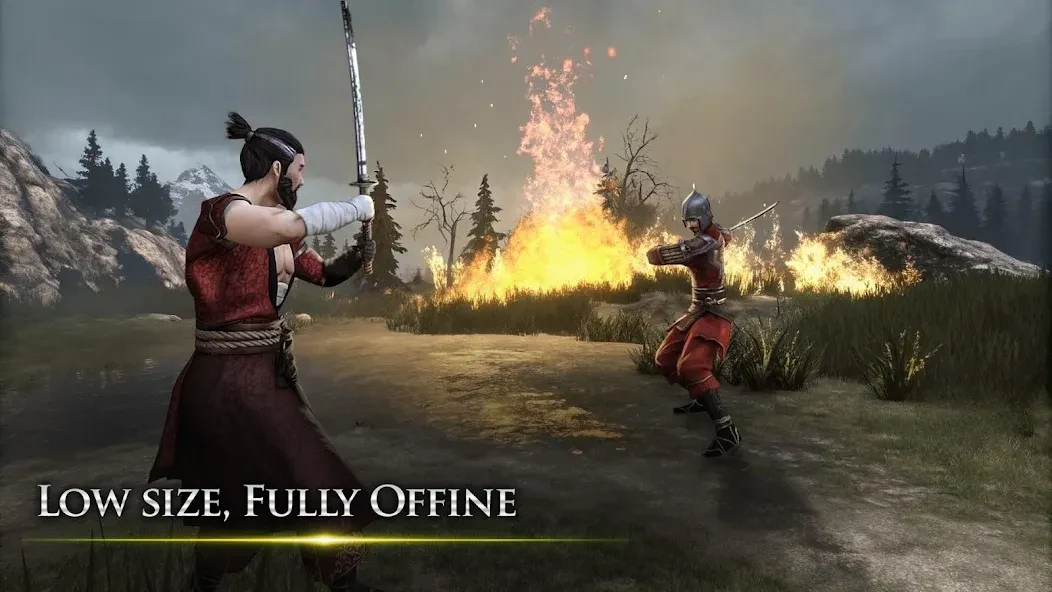
Samurai adventure and combat premise
Takashi Ninja Warrior - Shadow of Last Samurai is a hack-and-slash action game set in a world inspired by Japan's Edo period. Players control Takashi, a samurai warrior who begins his journey with a katana and faces enemies, corrupted forces, and powerful bosses. The game combines direct melee combat with RPG systems, exploration, equipment, and character development.
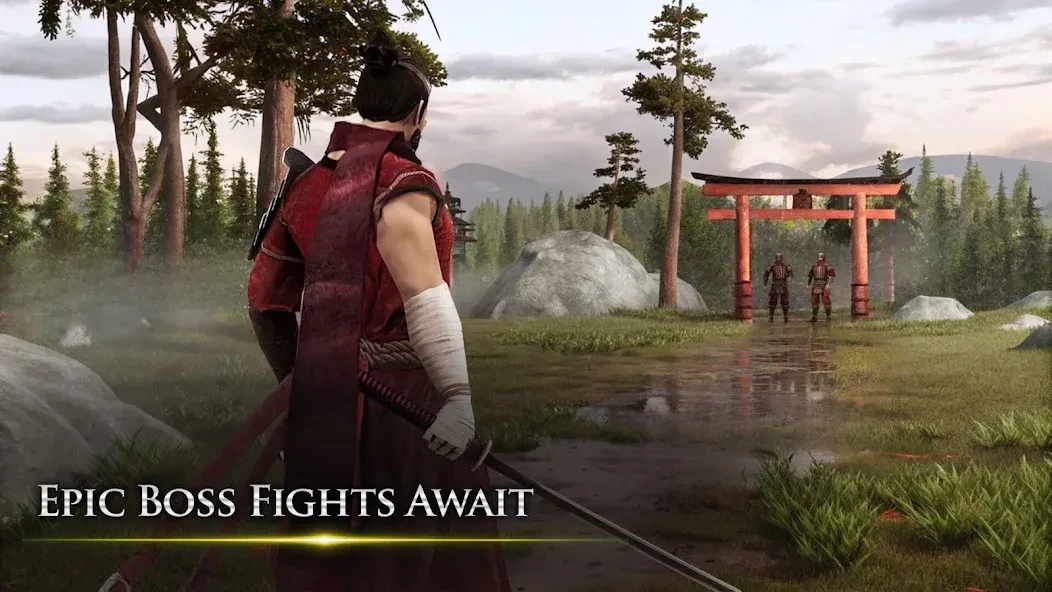
The opening presents Takashi attempting to reach a statue while an armored enemy moves away. After this introduction, the journey continues across different locations. The setting provides a backdrop for battles and exploration, while the game's combat design requires players to choose their actions carefully rather than repeatedly relying on a single attack.
Movement, attacks, and defensive actions
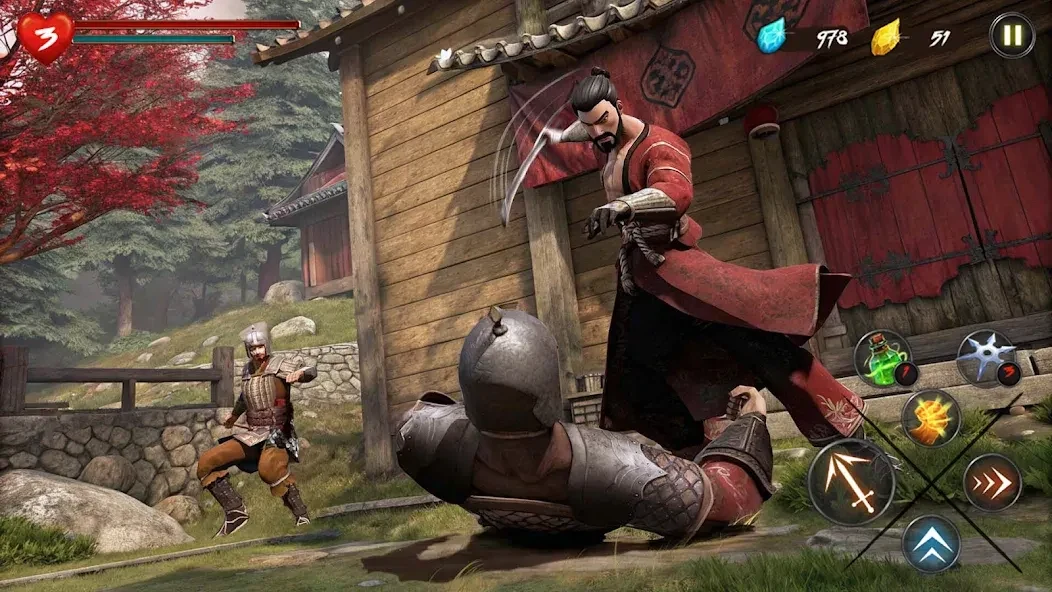
The control layout uses a joystick and separate action buttons for movement, attacking, jumping, and dashing. These actions work together during encounters: movement positions Takashi, attacks deal damage, jumping supports mobility, and dashing helps him move away from danger. The game also includes magic and other combat abilities alongside its sword-focused fighting.
Stamina affects how often defensive movement can be used. Players cannot attack continuously without limitation, and an exhausted character must avoid enemy attacks until stamina recovers. A dash can be used when an opponent is about to strike, allowing Takashi to move quickly in the opposite direction. Timing this response is a central part of surviving close-range encounters.
Stealth, dodging, and tactical encounters
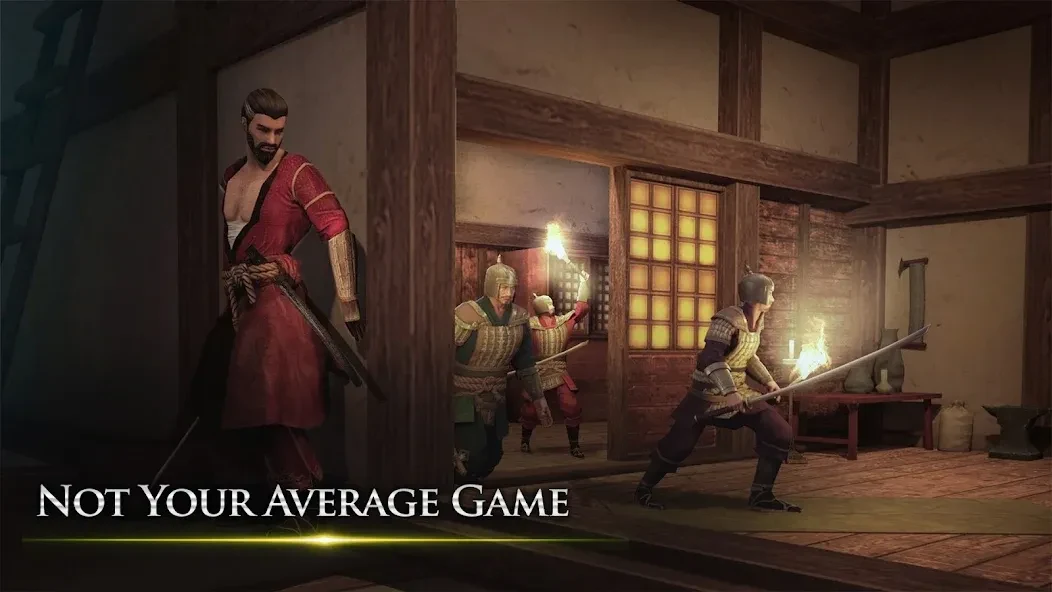
Tutorial levels introduce the controls, combat mechanics, and supporting powers available to the character. One of the early lessons is attacking from behind when an enemy has not detected Takashi. This creates an opportunity for a stealthy assassination before the fight develops into a direct confrontation.
Dodging is introduced as another important defensive technique. Players need to watch an opponent's attack and use the joystick and dash at the right moment. The source material also highlights deflection and parrying as skills that can counter enemy attacks and create opportunities to deal substantial damage. Boss encounters place added emphasis on recognizing attack patterns, choosing when to evade, and responding with counters.
Weapons, inventory, and character improvement
Takashi can use a variety of weapons, with each weapon described as having its own attributes and story. This weapon selection supports different combat approaches rather than limiting the player to the starting katana. The inventory section allows players to review loot and progress, while also providing access to skill upgrades.
Character development includes four named statistics: Life, Skills, Strength, and Jutsu. Experience earned during the journey contributes to level increases, and the level-up indicator shows when available resources can be used to improve the character. Health potions are also identified as a resource for sustaining Takashi during battles, while ability upgrades can improve stamina and other capabilities.
Exploration, bosses, and world progression
Progression is linked to exploring the map and defeating bosses. Victories can provide new abilities that open additional areas, creating a connection between combat success and continued exploration. Shrines are placed throughout the world as checkpoints where progress can be saved and Takashi can heal.
Treasure chests provide additional rewards, including sword amulets. These amulets act as temporary weapon upgrades, and their effects become visible when they are equipped. Together with weapon attributes, inventory items, skills, and abilities gained through progression, these systems give players several ways to prepare for stronger opponents.
Presentation and supported game elements
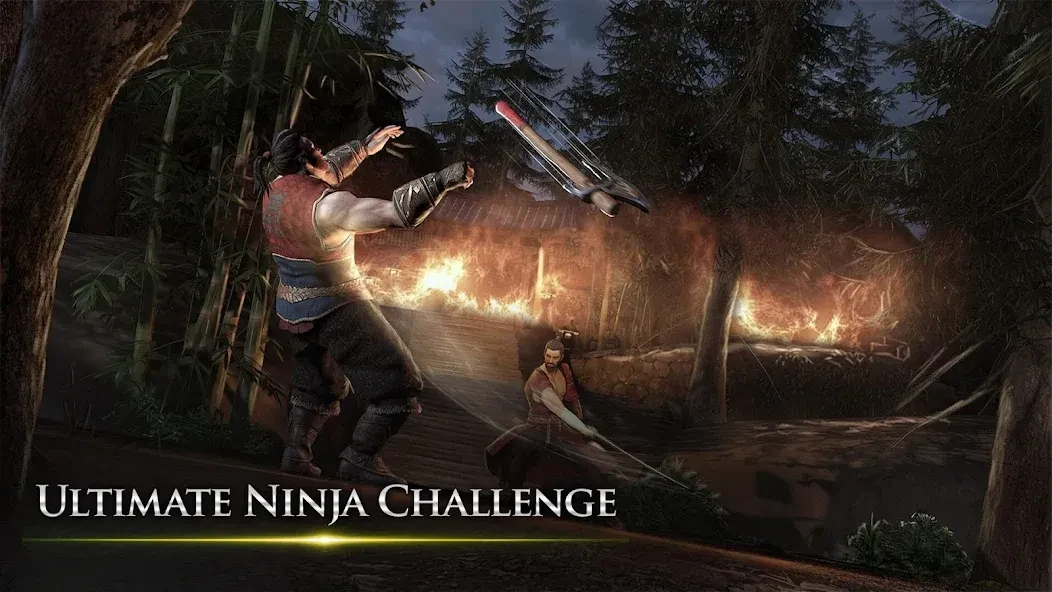
The game presents its adventure through visually detailed environments with a Japanese-inspired style. Its documented features include intense boss battles, multiple weapons, fast-paced sword fighting, magic, tactical encounters, an inventory system, and RPG progression. The Android version is listed as version 3.8.7 in the supplied product information.