

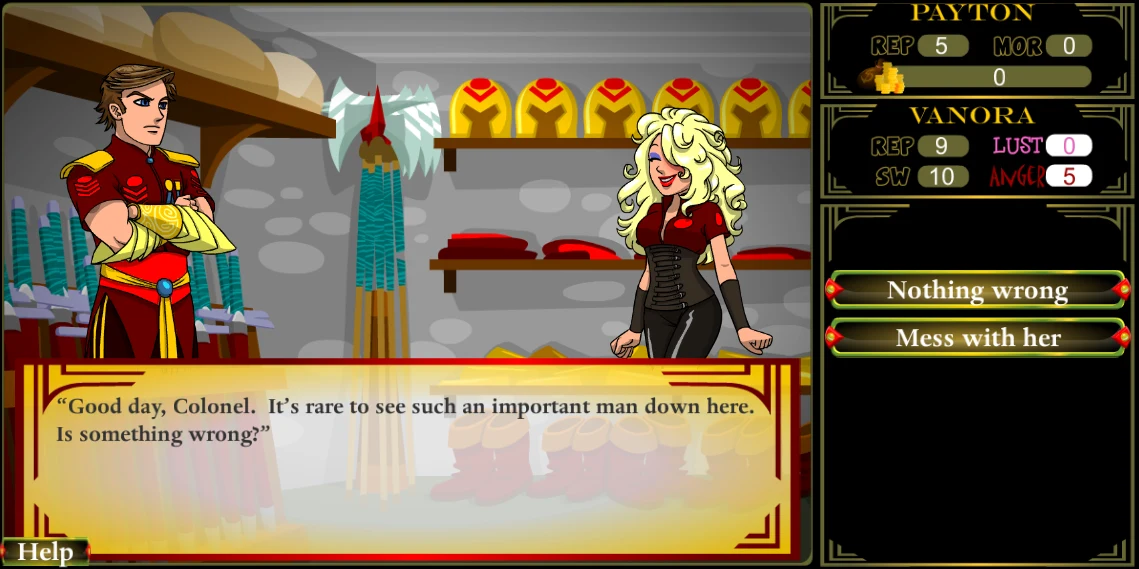
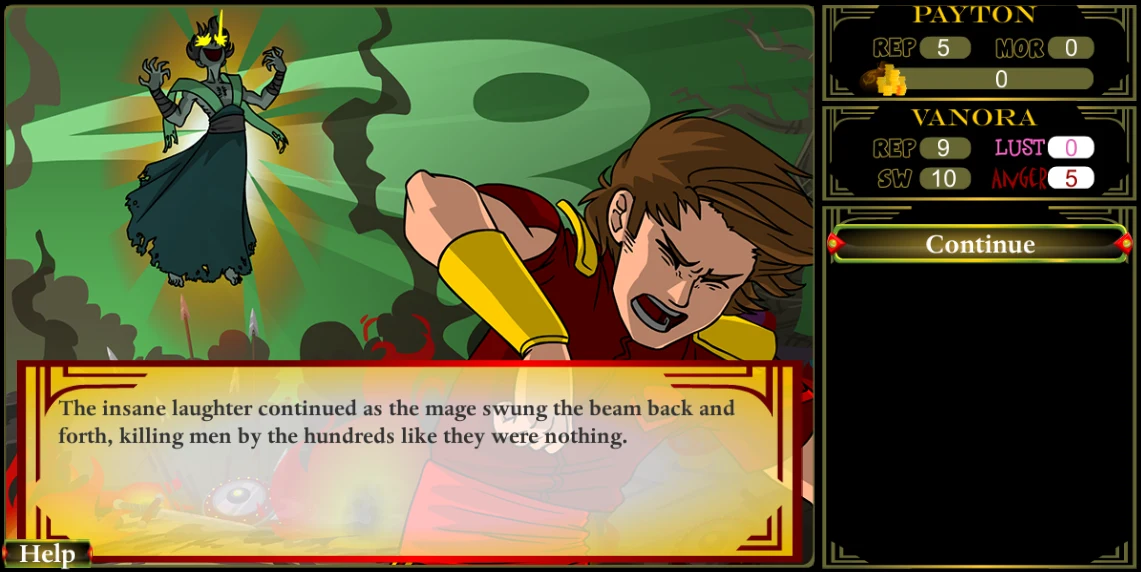
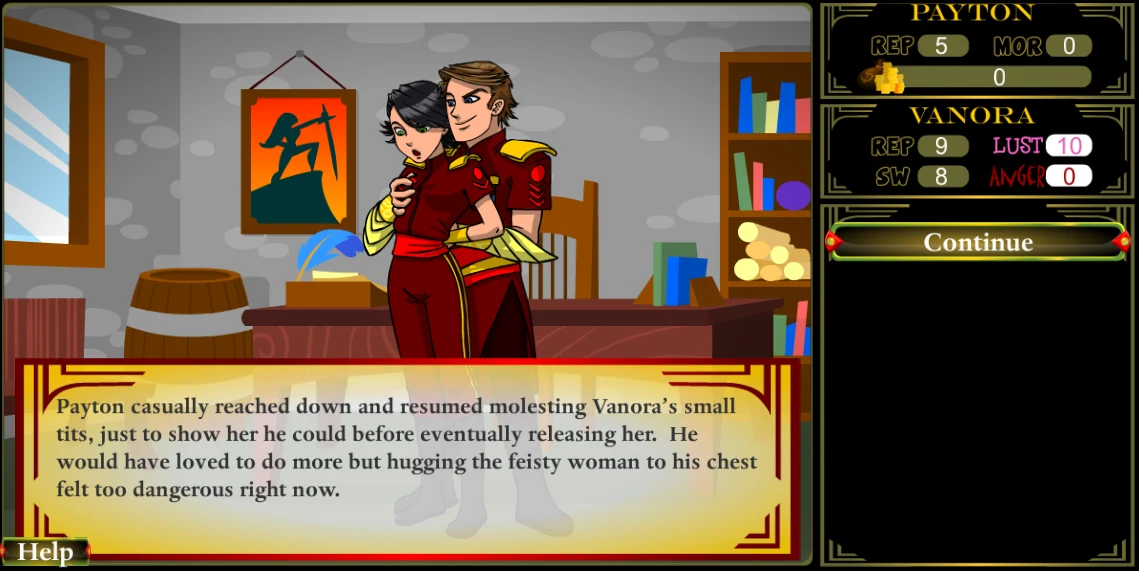
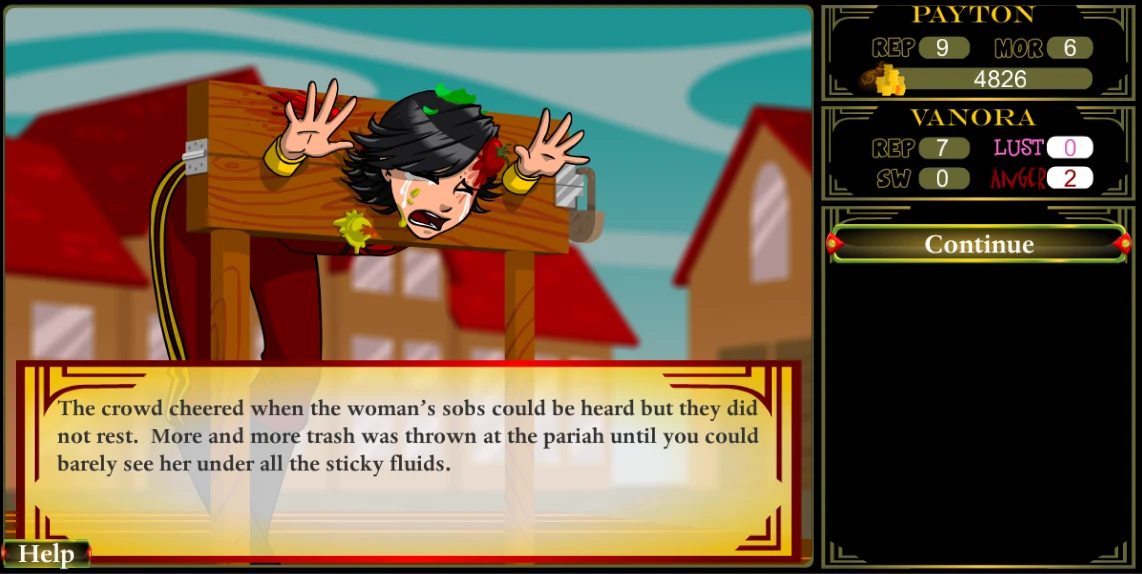
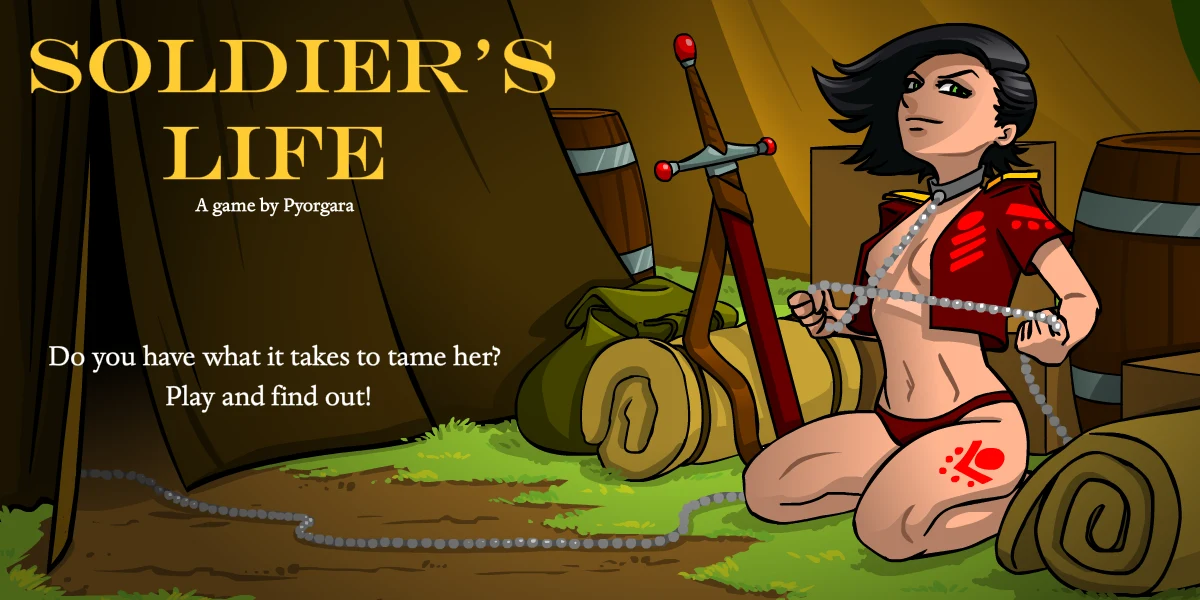
Soldier’s Life is a casual tactical game designed around military command, character interactions, and evolving power dynamics. In this title, you take on the role of Payton, an army captain who has recently risen to a position above your former superior, Vanora. The central task of the experience revolves around navigating your new authority, managing tactical combat missions, and deciding how to handle your relationship with an officer who previously treated soldiers without empathy. Throughout the experience, you make decisions that influence your military standing, unit success, and overall narrative progression, offering a structured blend of resource management and character-focused roleplay.
How do the power shift mechanics influence your journey?
The power shift mechanics sit at the core of the experience, forcing you to constantly evaluate how you interact with both your subordinates and your former superior. As the newly promoted captain, your mission extends beyond basic unit management into navigating a tricky power dynamic. You must decide whether to assert dominance through brutal approaches or take more strategic, diplomatic routes. Your choices ripple throughout the unit, shaping your rank, future decisions, and the character development of those around you, particularly the ice queen officer whose traits evolve based on your leadership style.
What should players expect from the strategic combat and missions?
The game incorporates tactical military missions where leadership skills and teamwork directly affect your success. During combat scenarios, you must utilize skills acquired throughout your career to make crucial decisions that determine the outcome for your unit. Recent updates have expanded these mechanics by introducing multiple difficulty modes, including easy, normal, and hard settings. On easy mode, you receive five additional troops to deploy, while hard mode reduces your troop count by five, allowing you to tailor the tactical challenge to your preference while changing difficulties during active gameplay.
How does audio design contribute to the gameplay atmosphere?
Audio plays a substantial role in shaping the atmosphere and helping players interpret the game world. Recent updates focused heavily on music integration, utilizing customized audio tracks to help tell the story and provide environmental hints. For instance, specific musical themes like the music of the desolation play during key events such as the obelisk in the plains and the golem in the forest, acting as a direct clue for the player. Additionally, dedicated character tracks, such as Vanora's themes, are structured so that the music degrades alongside her perceived self-worth, complemented by dedicated music and sound sliders accessible within the in-game settings utility.
What utility functions and extra features are available for players?
To assist with progression and accessibility, the game features an integrated cheat code function designed to make gameplay easier for users who want to bypass certain grinds. Players can access cheat passwords via dedicated community posts, alongside links to various build iterations such as versions 1.11, 1.12, and 1.13 in the about section. Furthermore, utility menus include settings buttons for quick adjustments, balanced audio mixing, introductory music cues, and bug fixes implemented across recent build updates.
Who might find this game engaging?
Players who enjoy strategic military themes paired with gradual, variable corruption narratives, sub-and-dom dynamics, and character-driven power struggles may find this title appealing. The experience caters to those interested in multi-layered character development, tactical sortie missions, and stat-based interactions that encourage multiple playthroughs to explore different narrative outcomes and newly added CG scenes.