

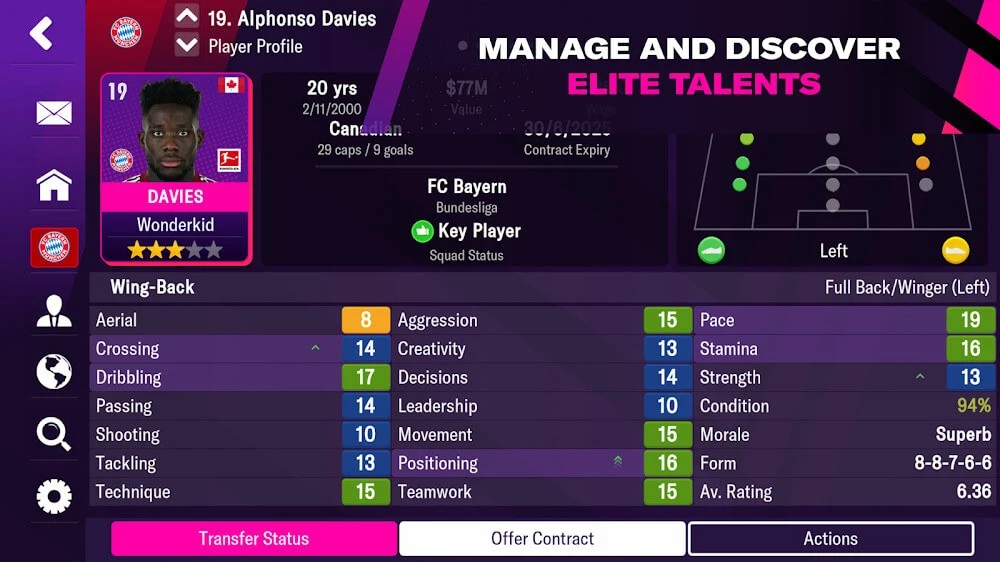
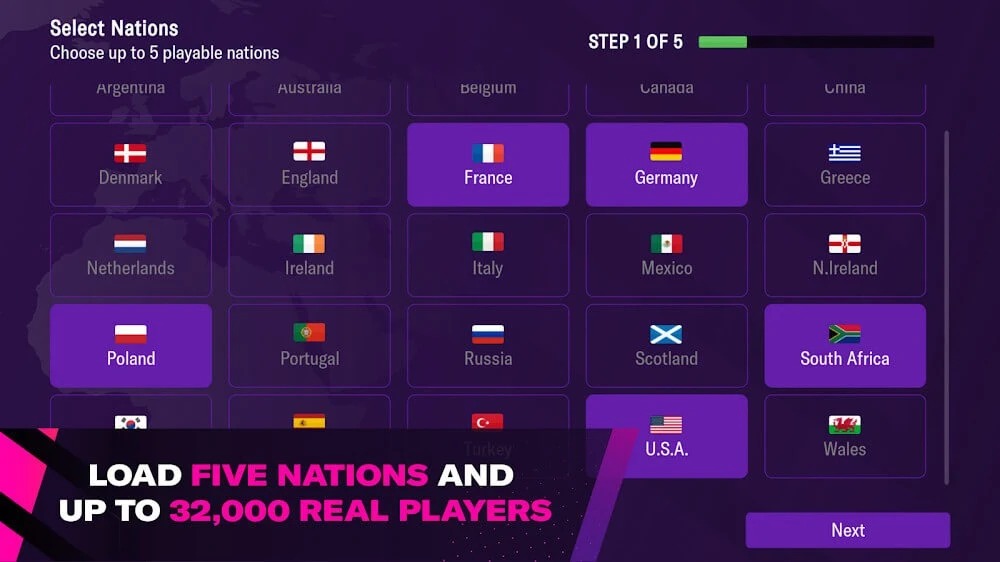
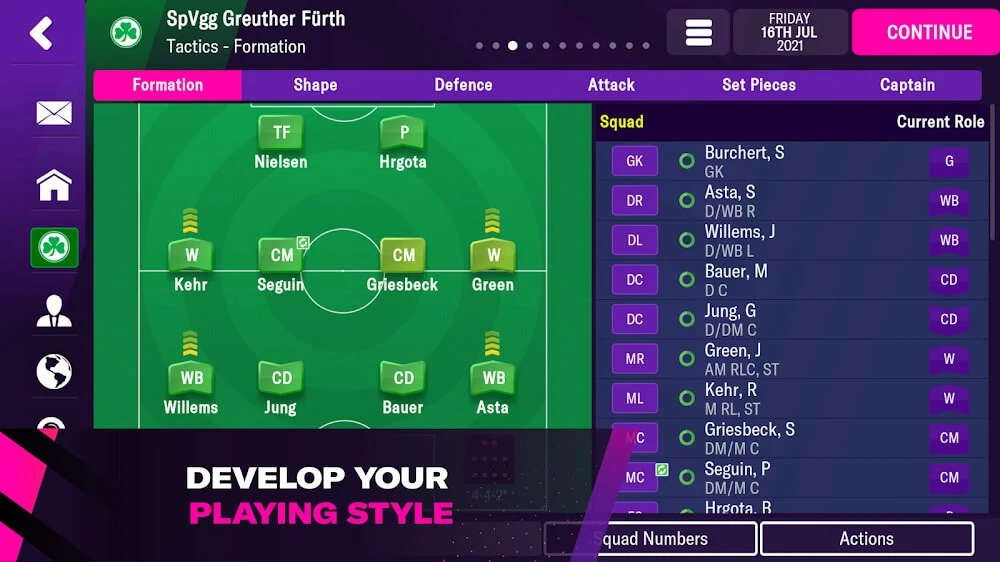
Football Manager 2022 is a simulation strategy game in which users act as club managers responsible for building squads, scouting players and directing tactics across more than sixty leagues from twenty-five countries. The title supports long-term planning rather than direct on-pitch control, allowing managers to set formations, adjust strategies during live matches and review detailed performance data after each fixture. This structure rewards careful preparation in the transfer market and training ground, where decisions about player roles and development directly influence results in domestic leagues and cup competitions. The game also supplies accurate player statistics drawn from established sources and updated regularly, giving users concrete figures on attributes such as passing technique, shooting ability and leadership that inform squad choices.
Core Gameplay Mechanics
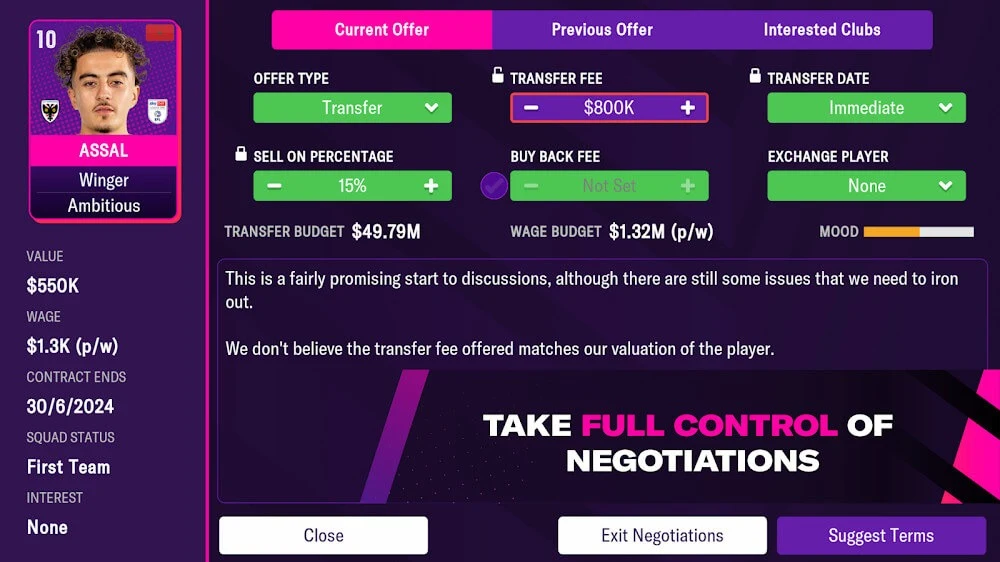
Users begin by selecting a club and defining seasonal objectives. From that point the routine centres on creating training schedules, studying upcoming opponents and selecting line-ups that match chosen tactics. Matches unfold in real time, displaying how instructions translate into movement and passing patterns. When outcomes fall short of expectations, managers can alter roles or formations while play continues. Replays of key moments let users examine goals or defensive lapses at their own pace. The loop alternates between off-field negotiations and on-field execution, so that a successful transfer can lead directly to an improved result in the next fixture.
Comprehensive Football Data
The database covers top divisions including the English Premier League, Serie A, La Liga and Bundesliga together with lower-tier and cup competitions. Each player record includes name, club, league, date of birth, transfer value and first professional contract date, plus numerical ratings for position-specific skills. Because the figures originate from established statistical providers and receive regular refreshes, they remain current throughout a season. This level of detail allows even users unfamiliar with every league to compare options and complete transfers with measurable expectations rather than guesswork.
Building and Managing Your Squad
Managers can personalise club identity by altering logos and kits. Squad construction extends beyond the first team to include youth development and loan arrangements that give younger players competitive experience. Captain selection emphasises leadership attributes, while set-piece duties are assigned according to relevant skills such as penalty taking, corner delivery or long throws. International call-ups may be declined, though this risks lowering morale. Players with high adaptability adjust more readily to new environments, reducing homesickness after transfers. When a player returns from injury, gradual reintroduction through reserve matches helps restore match fitness before first-team duties resume.
Advanced Analysis Tools
A dedicated Data Hub compiles performance metrics across attacking, defensive and general categories, highlighting patterns such as long-range passing accuracy or momentum shifts within individual matches. Individual player reports break down contributions and areas for improvement. The information supports iterative tactical refinement, showing where adjustments in formation or pressing intensity produce measurable gains. The same engine improvements that generate clearer decision-making on the pitch also make stamina depletion visible in the later stages of games, allowing managers to plan substitutions with greater precision.
Practical Management Strategies
Selecting the correct role and duty for each position highlights the key attributes required on a player’s profile, guiding both recruitment and training focus. Rejecting external job offers can strengthen relations with the current board and supporters. Clubs with strong finances and consistent attendance become candidates for stadium expansion, while boards may initiate new builds when the existing ground cannot be enlarged. Wonderkid prospects develop into world-class performers when given appropriate guidance and playing time. Declaring interest in another position too openly may provoke disapproval from present employers. These interconnected systems encourage managers to balance short-term results with sustainable club growth across multiple seasons.