

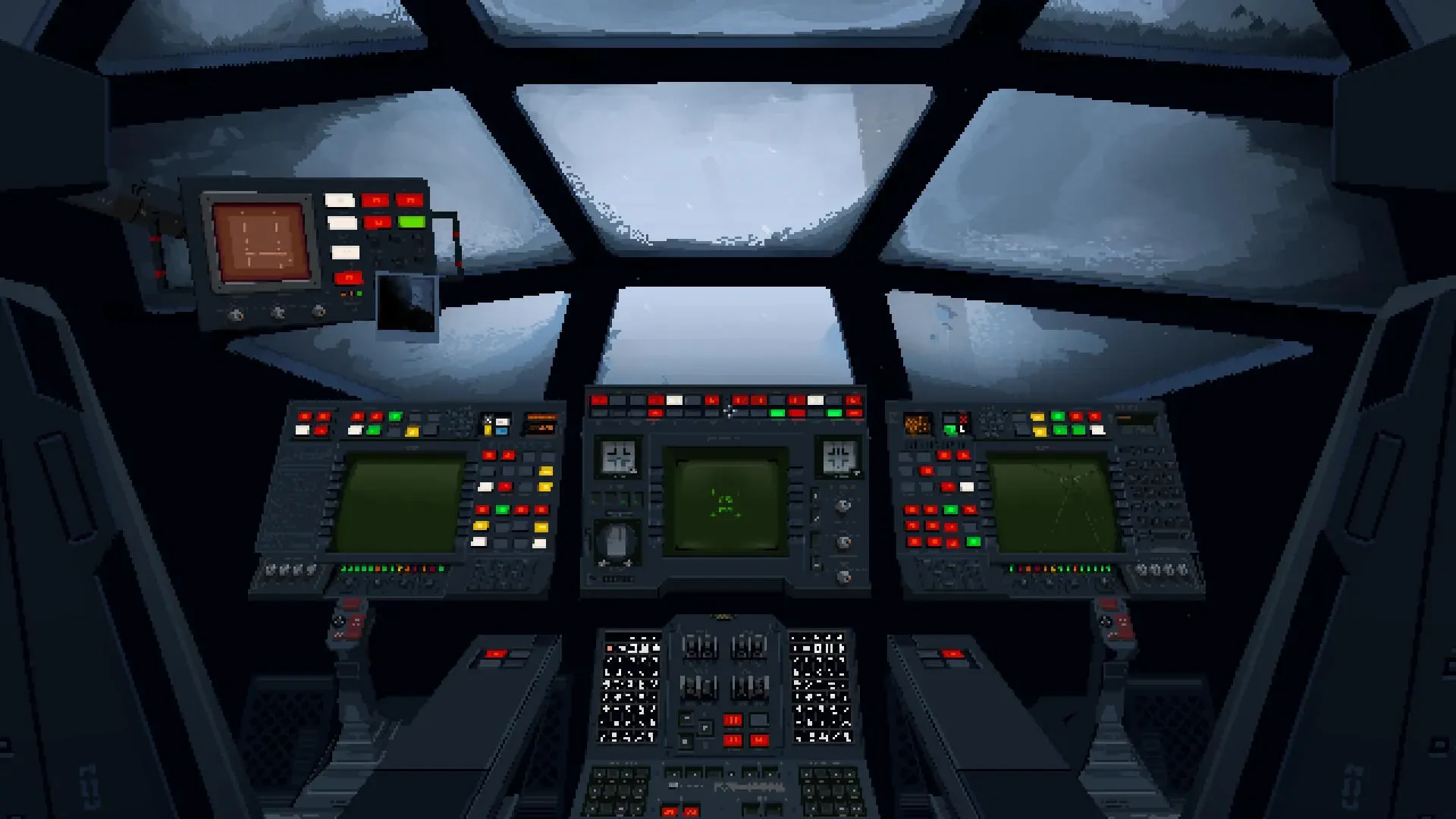
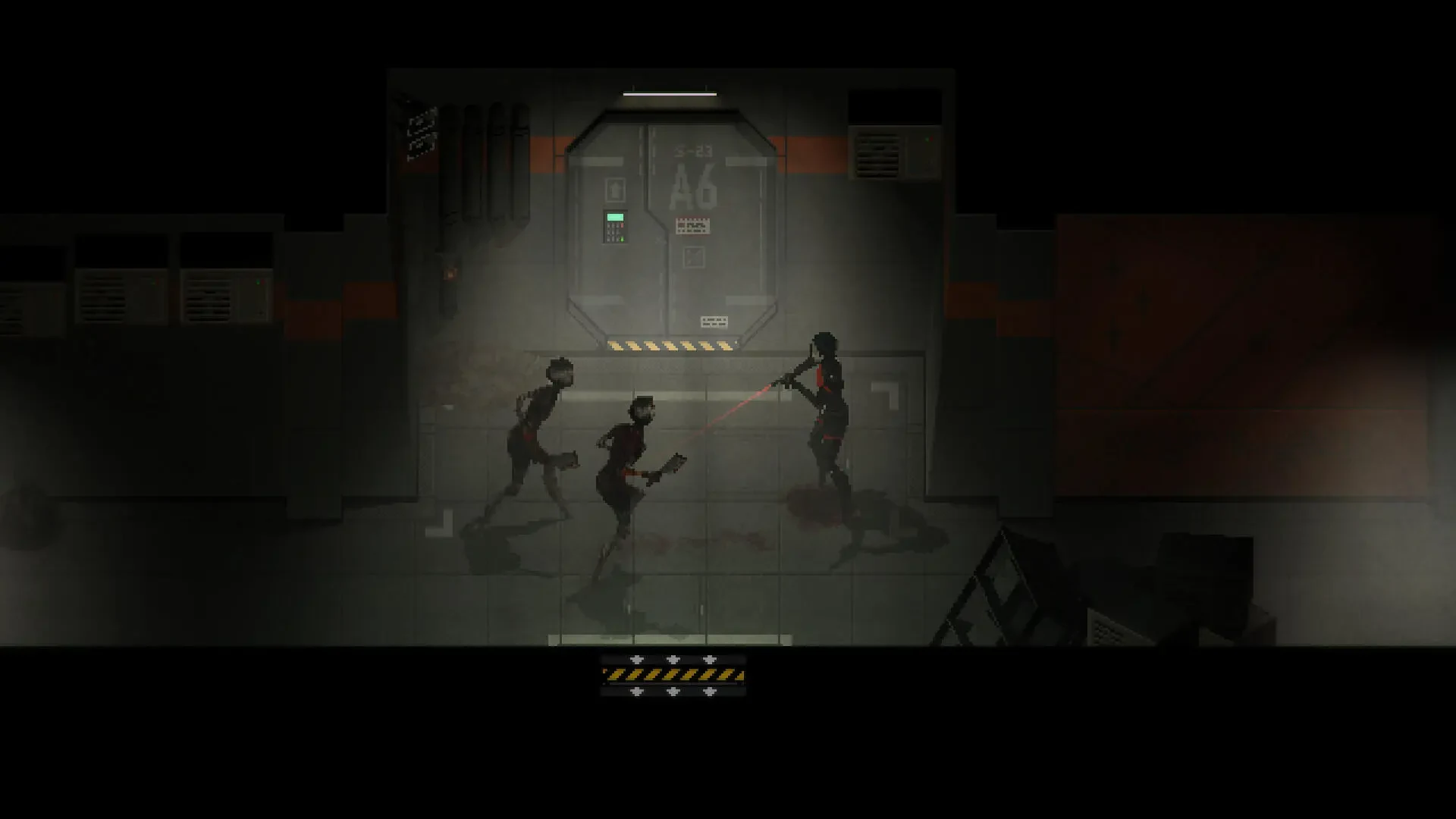
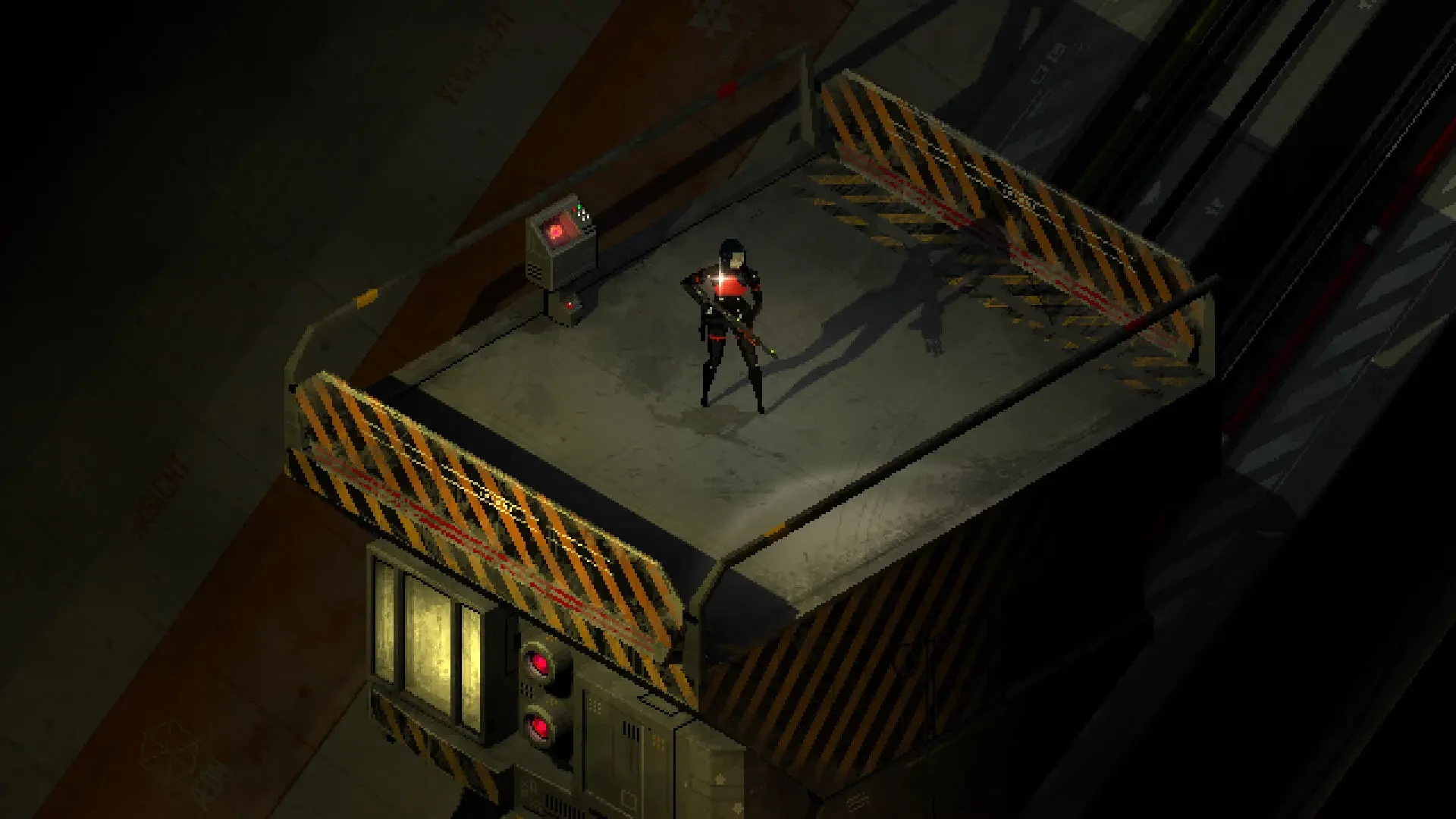
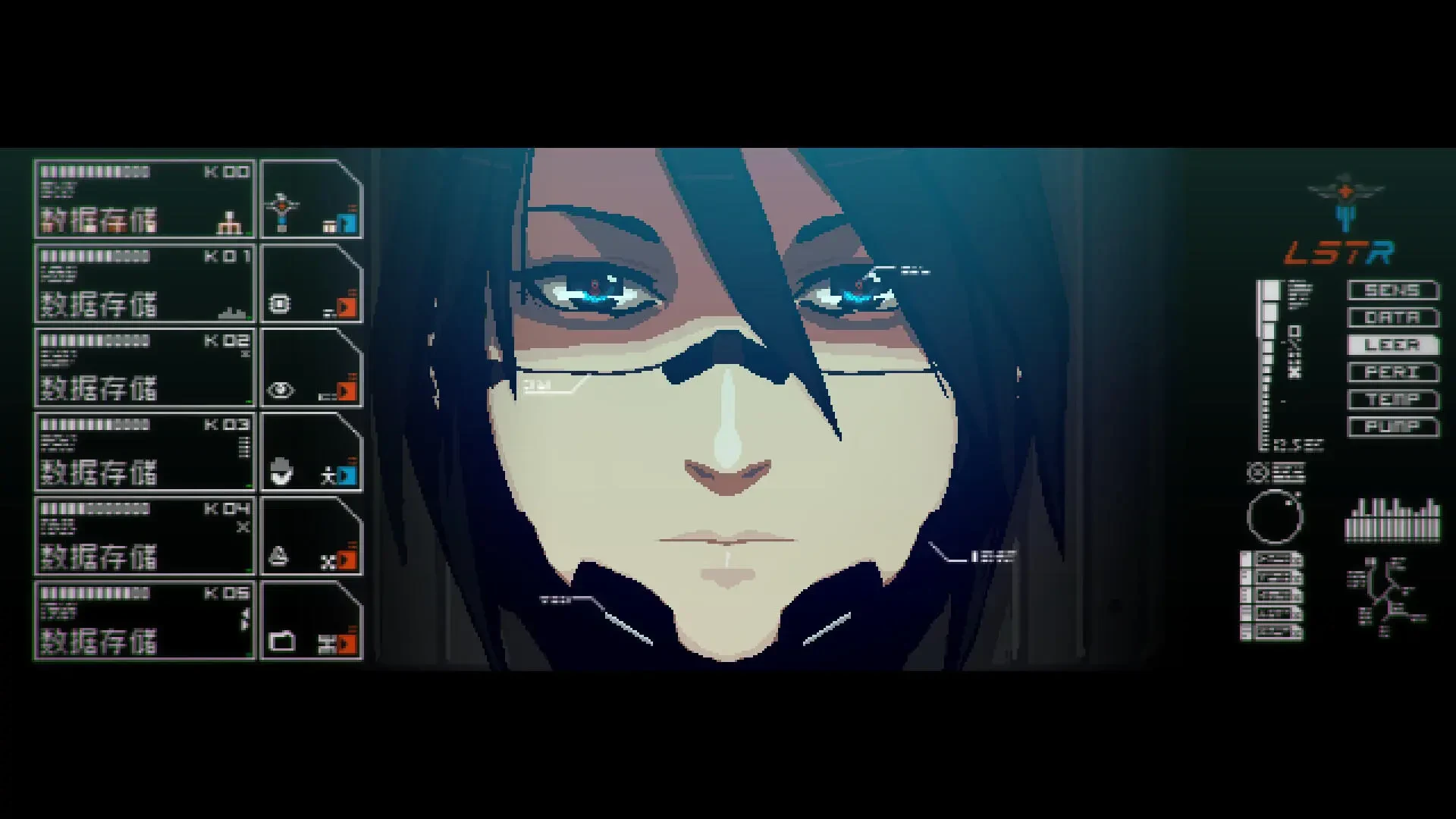
SIGNALIS is a horror adventure game that places Elster, a Replika technician, on a perilous journey through a cold and damaged world. After awakening from cryostasis, she explores a stranded spaceship and the remains of a mysterious facility while searching for answers about the planet’s destruction. The game combines environmental investigation, challenging puzzles, limited supplies, and encounters with persistent monsters. That combination makes each room important: observing objects can reveal clues, while careful decisions about saving, fighting, and carrying items can determine how safely Elster moves forward.
A dystopian setting shaped by cosmic horror
The story takes place in a future where humanity has colonized the solar system. This setting is governed by a totalitarian regime and populated in part by humanoid androids known as Replikas, giving the world a distinctive science-fiction identity. Elster’s journey begins after she is stranded on a frigid planet, where supernatural events and signs of destruction gradually expose a larger mystery.
The atmosphere is built around uncertainty rather than straightforward explanation. Themes of identity, memory, self-awareness, and emotion appear as Elster examines wreckage, records, rooms, and objects connected to the places she visits. The narrative also draws on classic cosmic horror and psychological horror traditions, while its visual direction is influenced by cinematic science-fiction. Dynamic lighting, transparency effects, three-dimensional character animation, and an unsettling soundtrack reinforce the sense that the environment is both familiar and deeply wrong.
Investigation and puzzles are central to progress
SIGNALIS expects players to examine their surroundings closely instead of relying only on direct combat. Objects may provide a code, repair a damaged item, open a locked route, or explain how a larger mechanism works. Many solutions come from connecting information found in separate rooms. A photograph can reveal a keypad code, a piece of tape can restore a broken map, and a microfiche can contain the numbers needed for a safe.
The early Penrose ship section demonstrates this approach. Elster explores the flight deck and cryogenics area, examines a photograph, uses its information on a keypad, and retrieves a broken key. In the mess hall, adhesive tape is combined with a broken map before the player returns to the airlock. The sequence then leads outside and into a strange cavity, where interaction with a book completes the first level. These actions form a connected chain rather than a series of unrelated item checks.
Scarce supplies and persistent threats
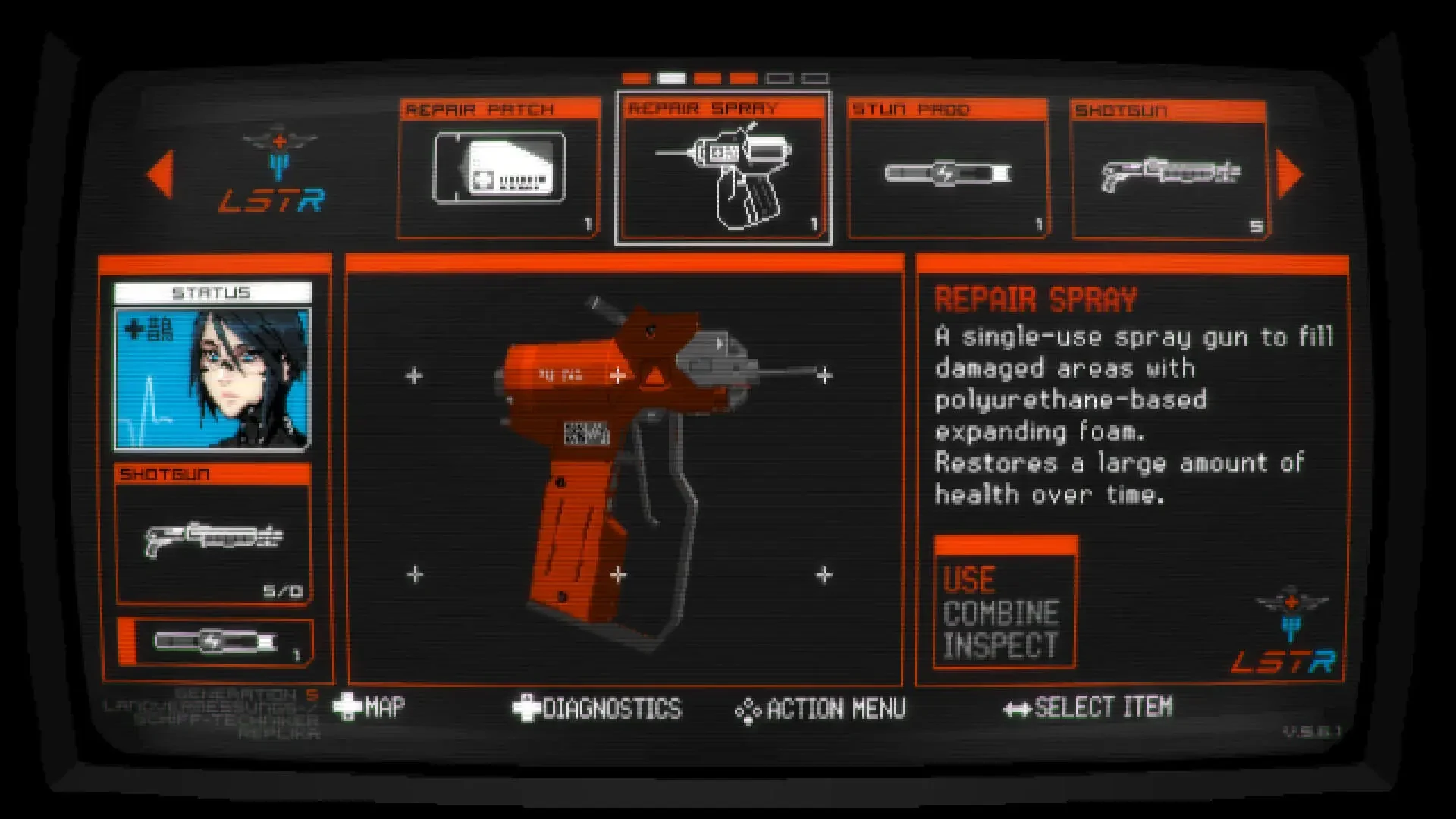
Resources are limited, so combat is only one part of staying alive. The inventory has six slots, and a practical basic loadout includes a weapon, ammunition, and a health recovery item. The remaining space matters because key objects may need to be carried between areas. If the inventory becomes full, an item may have to be left in storage, creating another trip through already explored rooms.
Enemies also influence how each area should be approached. A monster that is shot enough may collapse temporarily, but it can recover after some time and resume its pursuit. Because these creatures cannot be killed permanently, defeating one does not necessarily make a room safe forever. Avoidance is often more useful than using ammunition. Staying away from lit areas can make it harder for enemies to notice Elster, while running creates noise that may attract attention. Quiet movement and route planning can therefore preserve supplies for situations where confrontation is unavoidable.
Saving requires deliberate planning
The game does not use checkpoints or automatic saving, so dying sends the player back to the most recent manual save. Safe rooms provide an important place to protect progress. They can be recognized by a computer screen glowing with a bright red light, and the source material specifically recommends saving whenever one is found.
Safe rooms also help organize the limited inventory because item storage chests may be available there. Since it may take time to reach another safe room, carrying essential equipment is sensible, but leaving a few spaces open for keys and other important objects prevents unnecessary backtracking. This saving and inventory system makes exploration more deliberate: opening a new route or entering an unfamiliar section carries a practical risk as well as a narrative one.
Example progression through Installation Aeon
After an enigmatic sequence, Elster reaches a bathroom and then the Surface Access lobby. Searching reception provides a key that opens the route into the facility. The player can find a first save room in the staff room before continuing toward the Aula, where a scene with Agent Star takes place. Searching the seats provides a Prokektor Key, while drawers in another room contain a weapon and a microfiche with holes.
The microfiche becomes useful in the library, where a machine reveals the code 204512. That number opens a safe in classroom 4B and provides the classroom key. Returning to Star and unlocking the northern door leads to the next area. This section shows how exploration, combat preparation, document reading, and code-based puzzles fit together: a clue found in one location can only become useful after the player identifies the correct machine or lock.
The Worker’s Quarter expands the same structure. An elevator room contains a service hatch key, which opens a northern door and begins a pin-alignment puzzle. Later, the player searches the kitchen and pantry for a mess key, finds a piece of a key in the Worker Bath, and discovers another broken piece in the showers. Combining both pieces creates a butterfly key for a butterfly box, which contains the Eternity Plate and triggers a memory.
Further progress involves using a radio module at frequency 160,000 to open an armored door, then tuning to 170,000 to match a tree symbol on a safe. The resulting code opens the safe and provides an identification card. That card allows Elster to use the elevator and continue to the sixth floor. These linked tasks highlight the game’s reliance on observation, item combination, radio frequencies, and revisiting earlier areas with new information.