
Ship Sim 2019 lets players assume the role of a ship captain who selects from passenger ships, cargo ships, and oil tankers to complete transport missions. The app requires choosing the right vessel for each job, then steering it through changing conditions to deliver cargo or passengers on schedule. This setup gives users a concrete way to practice route planning, fuel management, and docking under constraints that mirror real nautical tasks. The Mediterranean setting supplies recognizable ports and coastlines that add context to every voyage.
Exploring Diverse Ship Roles
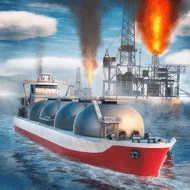
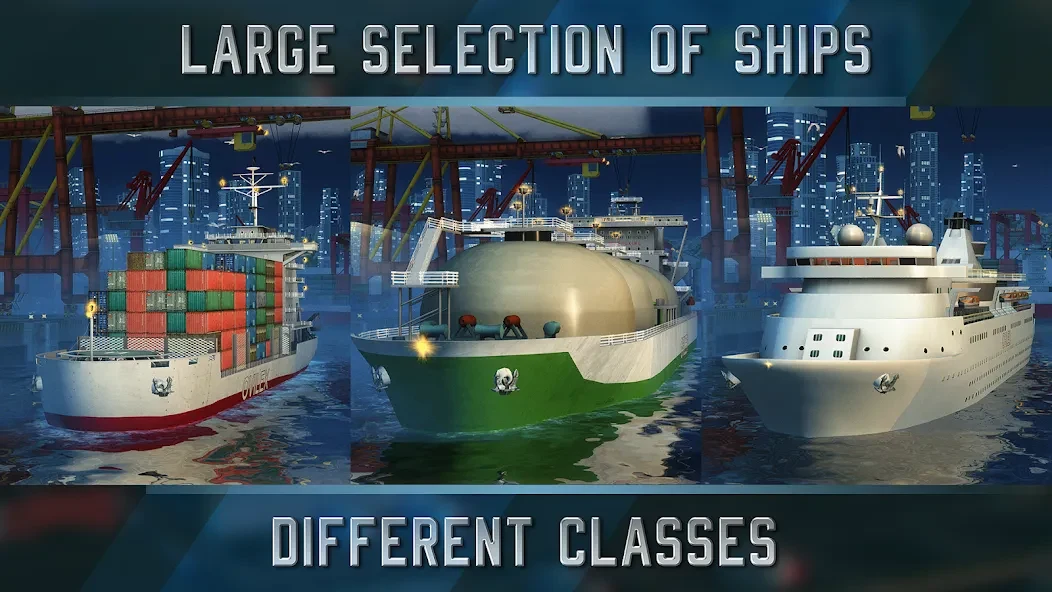
Players begin with smaller vessels and progress to larger ones by completing missions and earning funds. Cruise ship duties involve carrying thousands of passengers between popular Mediterranean ports while handling night activities and ocean views. Cargo ship assignments focus on moving tens of thousands of tons of goods, with rewards that scale according to the amount delivered within the time limit. Oil tanker work starts with modest vessels and advances to supertankers that travel between city ports and offshore rigs, requiring careful delivery of valuable loads without incidents.
Each ship type presents distinct handling characteristics. Cruise liners offer moderate rewards and different control feel compared with the heavier cargo vessels that demand precise maneuvering to avoid delays. Oil tankers add the requirement of visiting rigs and managing longer routes, which influences fuel planning and destination choices. Unlocking new ships expands the available options and alters the visual appearance of ports and fleet members encountered during play.
Navigating the Vast Mediterranean Map
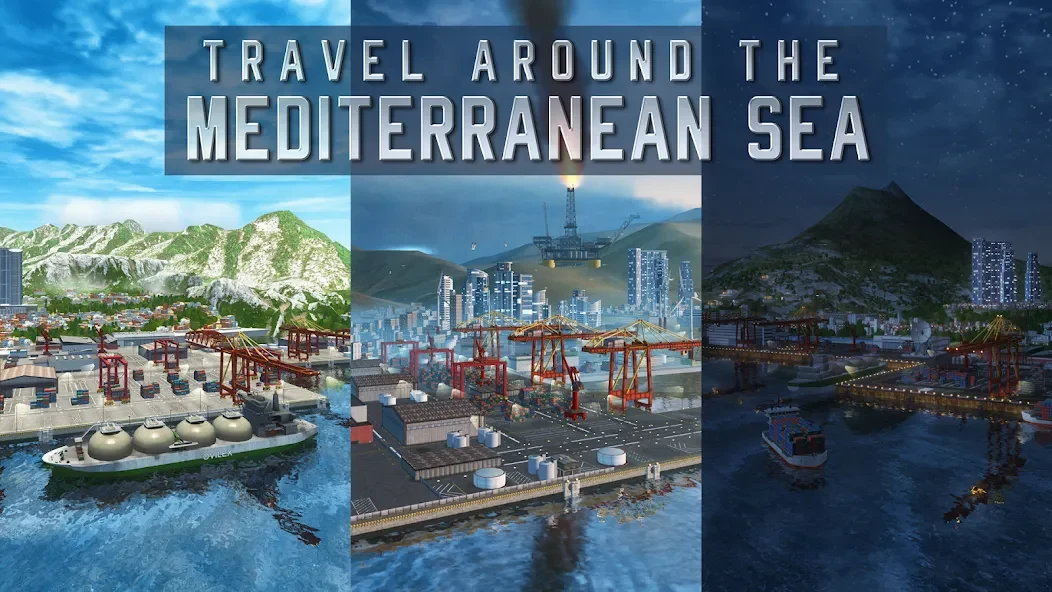
The open-world environment covers a large area that includes famous cities, coastlines, and busy ports. Players follow maps to reach destinations while watching for special points that can supply fuel or assist with mission progress. Staying on course through the map prevents unnecessary detours that increase fuel consumption and reduce overall earnings.
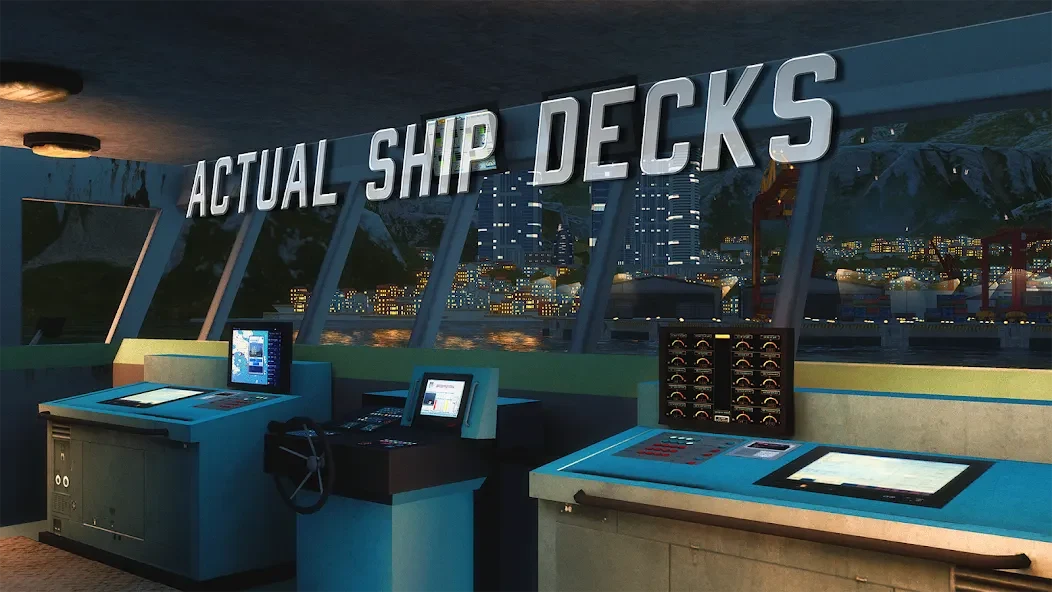
Viewpoint switching between first-person and third-person perspectives supports different navigation styles. The first-person view places the player inside the ship for a more direct captain experience, while the third-person view provides easier oversight of the vessel's position relative to docks and other obstacles. Both perspectives remain available at any time during a voyage.
Handling Weather and Docking Challenges
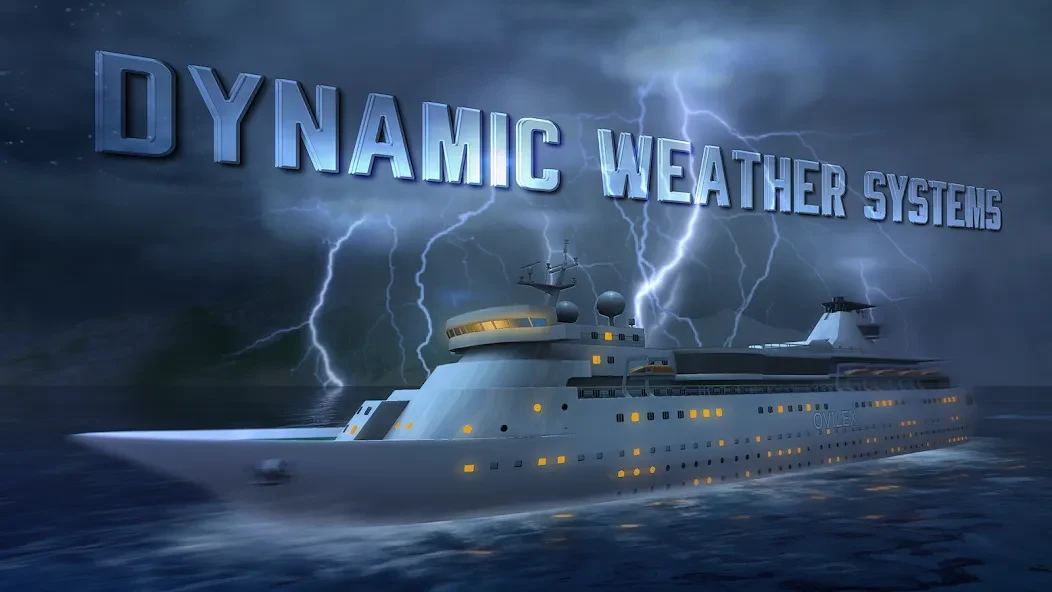
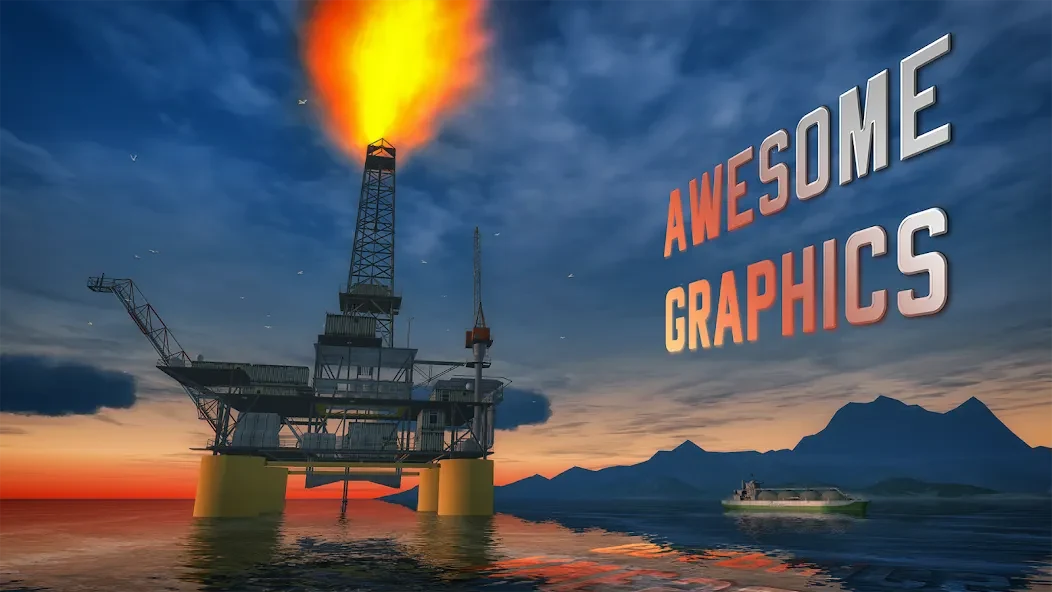
Weather conditions change during voyages and affect steering and visibility. Storms require sustained attention to maintain the correct heading while avoiding course deviations that could jeopardize mission completion. Graphics render water surfaces and environmental details that respond to these conditions, giving visual feedback on the current state of the sea.
Docking sequences test precise control as players approach ports under varying loads and weather. Successful docking contributes directly to mission rewards and unlocks access to larger ships. The game models each vessel with unique specifications, so players must adjust speed and angle according to the ship currently in use.
Customizing Controls and Appearance
Control mapping can be adjusted to suit individual preferences, including on-screen arrows, device tilt, or external rudder input. Throttle operation on the left side of the screen allows forward and reverse movement, and repeated practice improves accuracy during tight maneuvers. Ship appearance can be altered by selecting flag colors and renaming vessels, which supports a more personal connection to the fleet.
Progression updates the visual quality of ports and ship designs as new vessels are acquired. These changes emphasize the differences between ship classes and reinforce the sense of advancement through the available content.
Practical Advice for Successful Voyages
Selecting missions that balance reward against fuel cost improves efficiency. Jobs that require shorter travel distances can often be completed more quickly and allow multiple runs in the time needed for a single longer mission. Maintaining a moderate speed rather than maximum throttle reduces the difficulty of stopping and turning, which helps avoid missed waypoints that waste fuel.
Visiting special points whenever possible provides opportunities to refill fuel and maintain safety margins on extended routes. Adjusting speed and practicing throttle control together support reliable docking and reduce the need to repeat maneuvers. These habits combine to increase the number of successful deliveries and accelerate the purchase of new ships.