



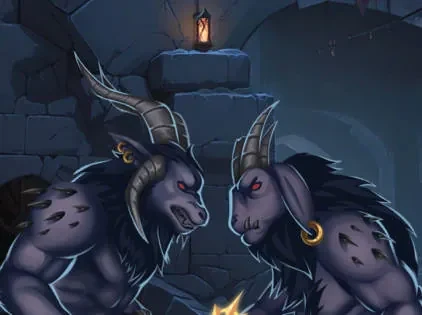
Overview
Shana puts you in control of the Priestess of Tona as she descends through perilous dungeons threatened by spreading darkness. Its gameplay combines fast, deliberate combat with roguelike progression, asking you to balance aggressive attacks, defensive positioning, and carefully selected passive abilities. Each run features procedurally arranged floors, varied enemies, and occasional minibosses, so familiar strategies may need to change from one attempt to the next. The game is designed for touchscreen play, with short skill-based encounters, readable interface elements, and self-contained runs that can be played without a persistent internet connection.
What You Can Do
⭐ Fight through monster-filled dungeon rooms by dodging attacks, parrying at the right moment, and chaining offensive moves together. Combat rewards timing and prioritizing threats rather than simply attacking continuously.
⭐ Build the Priestess through passive abilities discovered during each descent. These effects can strengthen existing abilities, compensate for weaknesses, or combine into unexpected synergies that influence how you approach later encounters.
⭐ Explore procedurally arranged dungeon floors with changing room layouts and enemy sets. Cramped corridors can encourage close-range clashes, while open halls provide more room for positioning and the use of ranged abilities.
⭐ Collect consumables and short-term upgrades during a run. These immediate resources can support your current descent, while the experience gained from each attempt helps you make more informed choices in future runs.
⭐ Adapt to a steadily increasing challenge. Early floors introduce core enemy behaviors and simpler combinations, while later areas bring together enemy types and mechanics that require greater flexibility.
⭐ Read the environment during combat. Hazards, choke points, lighting, enemy silhouettes, and useful terrain provide information that can help you decide where to move and when to engage.
Using the App
Shana uses clear touchscreen prompts for movement and attacks, with basic gestures covering movement and aiming. Contextual buttons are available for special actions or skill activation, and input responsiveness is adjusted to support precise actions during tense encounters. The pacing leaves room for planning between bursts of activity, so the game is not solely about reacting as quickly as possible.
Runs are self-contained and powered by local game systems rather than simulated online interactions. You can play offline without a persistent internet connection, and sessions can suit either short bursts or longer play periods depending on how far you progress. Readable health and status indicators, concise passive-ability tooltips, and consistent feedback help explain why a strategy succeeded or failed. Accessibility-minded options are also included to help adjust the experience to different skill levels.
Progress continues through experimentation rather than a single required build path. You learn which passive combinations work together, use discoveries from previous attempts to inform new descents, and refine your approach through trial and iteration. The Priestess of Tona retains her narrative context as upgrades and discoveries connect repeated runs to the game world.
Why It May Appeal
✅ The game brings combat and character development together: decisions made during a run affect immediate survival, while passive-ability combinations give you reasons to test different long-term strategies.
✅ Randomized layouts, varied enemy groups, and combinatorial passive effects give repeated descents different tactical problems instead of presenting exactly the same sequence each time.
✅ Its dark atmospheric presentation supports practical play as well as mood. Environmental details and enemy silhouettes are designed to remain readable, helping you notice hazards, choke points, and threats while moving through the dungeon.
✅ Progress is intended to reward knowledge and experimentation, allowing improvement through better decisions rather than relying only on repeated grinding.
Things to Consider
❎ Shana is built around repeated attempts and setbacks, so players who prefer a fixed, predictable campaign may find the randomized roguelike structure less suitable.
❎ Later descents combine more enemy types and mechanics, making adaptability and careful positioning increasingly important. The game may therefore demand practice before its systems become comfortable.
Developer
Shana is listed as being developed by Lustration Team.