



Return to the Cabin places players in control of a story that begins after a family tragedy, where decisions made during a journey with the mother determine whether bonds deepen or take other directions. The game presents concrete choices at key moments that affect interactions and lead toward either a focused personal connection or an alternate path, giving players direct influence over how events unfold in the cabin environment. This structure supports repeated playthroughs to see how small actions accumulate into larger shifts in the narrative and character dynamics.
Interactive Decision Points
Throughout the chapters, specific prompts require players to select actions such as assisting with tasks, observing scenes, or responding to dialogue. Chapter 1 sequences involve activities like chopping wood and checking on the mother, followed by private moments that branch based on selections. Chapter 2 includes cooking help, lake activities, and massage options, while Chapter 3 introduces encounters with additional characters and minigames that can be skipped. These choices are listed in the provided walkthrough and show how early decisions set conditions for later scenes without requiring external guides.
Route Options and Story Branches
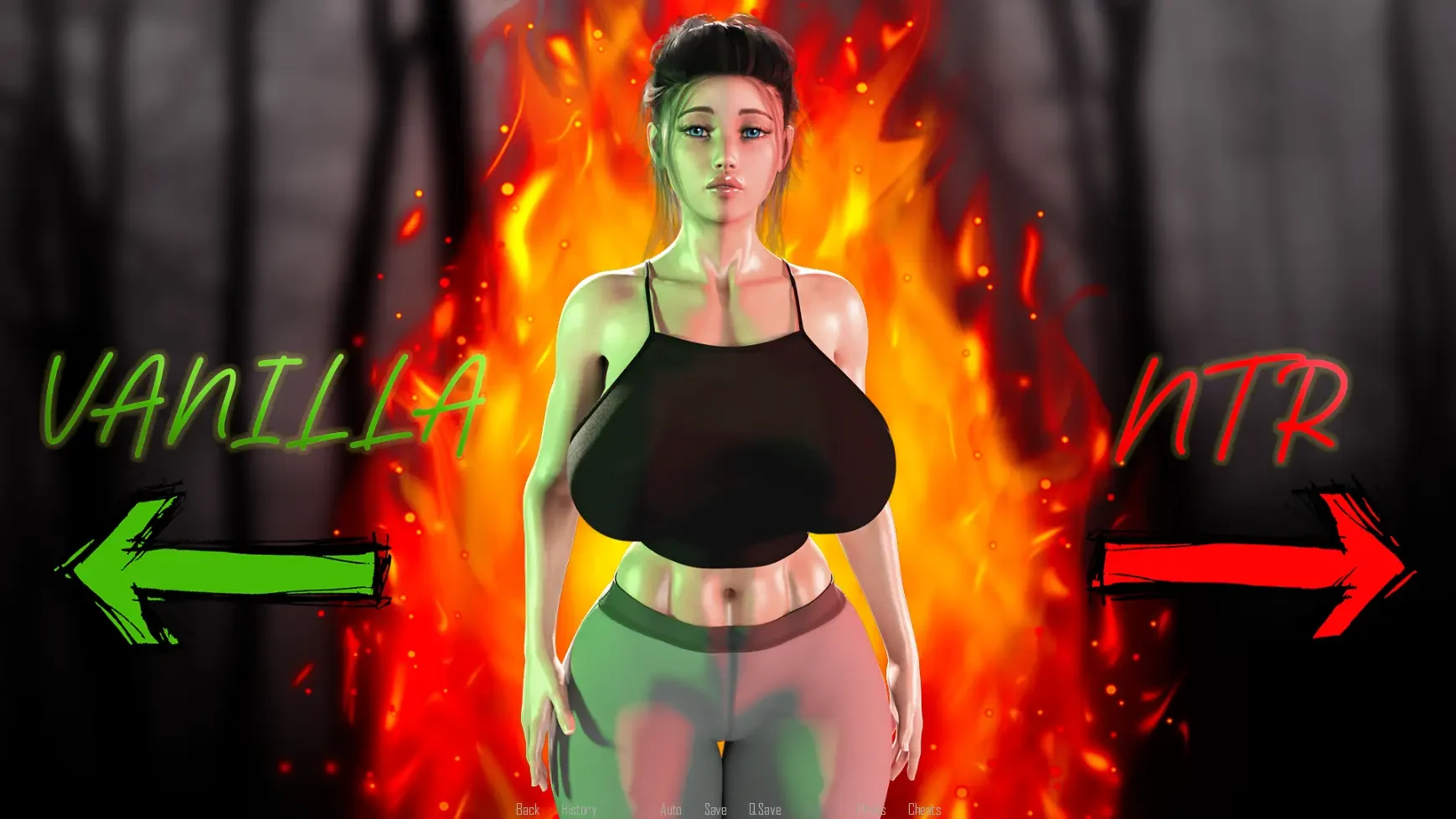
Players can follow a path centered on building closeness or select an alternative route that introduces outside influences on the relationship. The source material notes that these two distinct paths allow for different emotional progressions and endings, with the outcome depending entirely on accumulated choices rather than random elements. This separation keeps the narrative focused while offering variety in how the central relationship develops or concludes.
Visual and Scene Composition
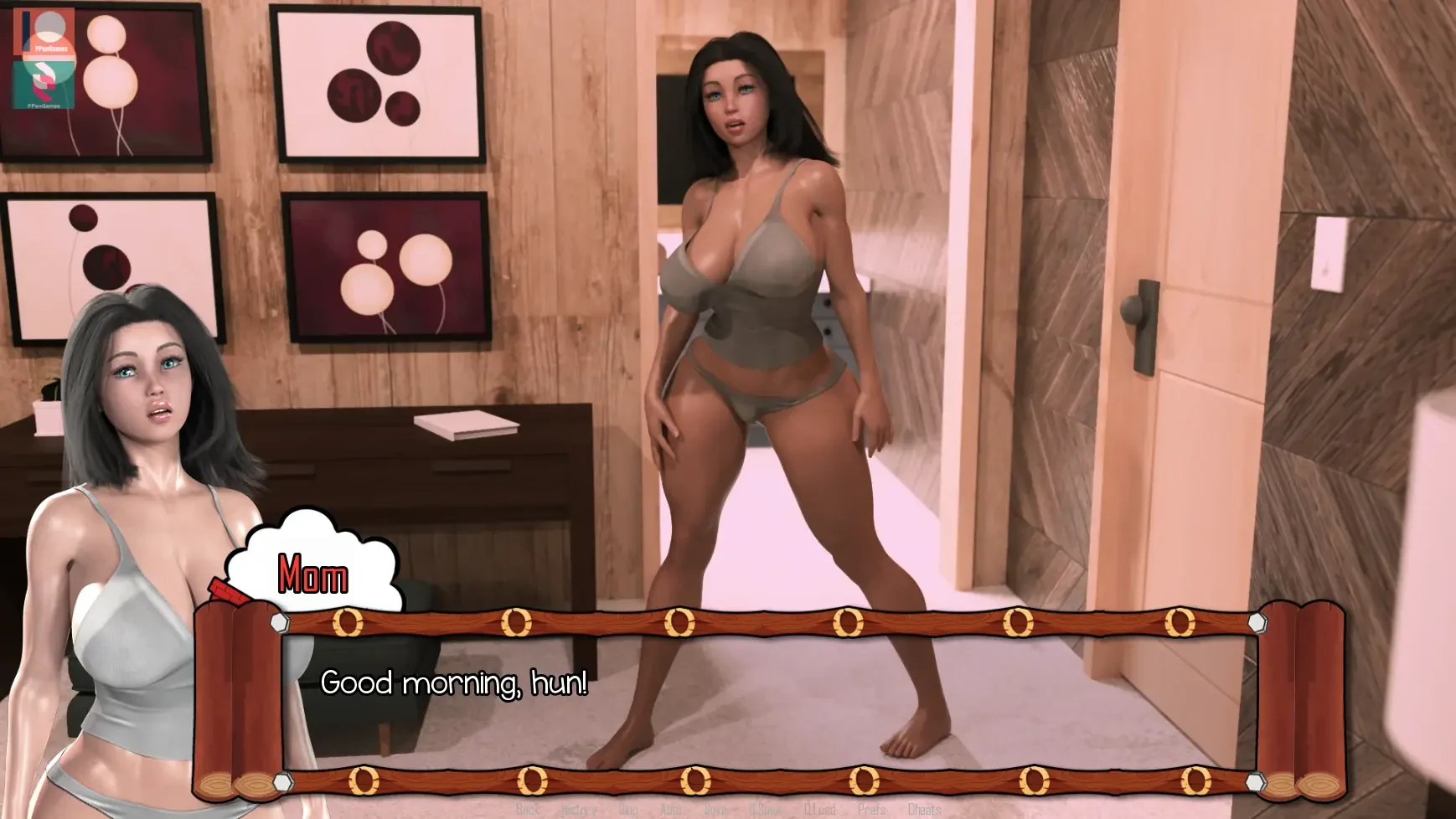
The presentation combines more than 500 unique renders with 400 side images and two short animations to depict key interactions. Scenes mix static visuals with limited motion to highlight emotional or pivotal moments, supporting the story's progression without relying on extensive animation throughout. The visual approach aligns with the choice system by illustrating the results of player decisions in consistent detail.
Chapter Progression Structure
The game advances through sequential chapters where early actions in one section carry forward to influence availability of later options. The walkthrough demonstrates this by providing exact selections for Chapters 1 through 3, including save points that let players compare outcomes such as visiting different characters or completing tasks in alternate orders. This setup encourages tracking of prior decisions to reach specific story segments.