

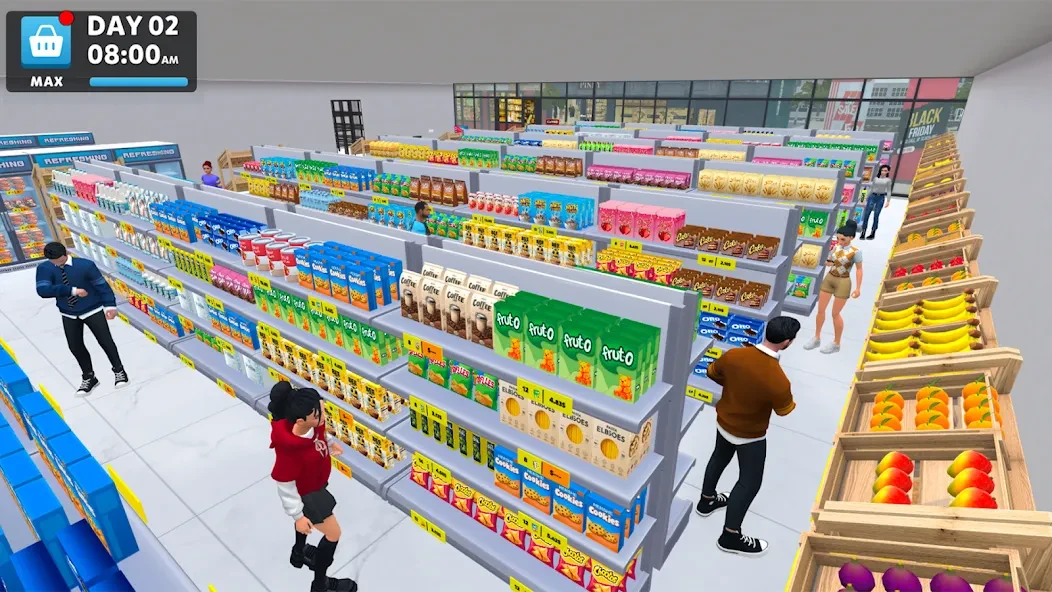
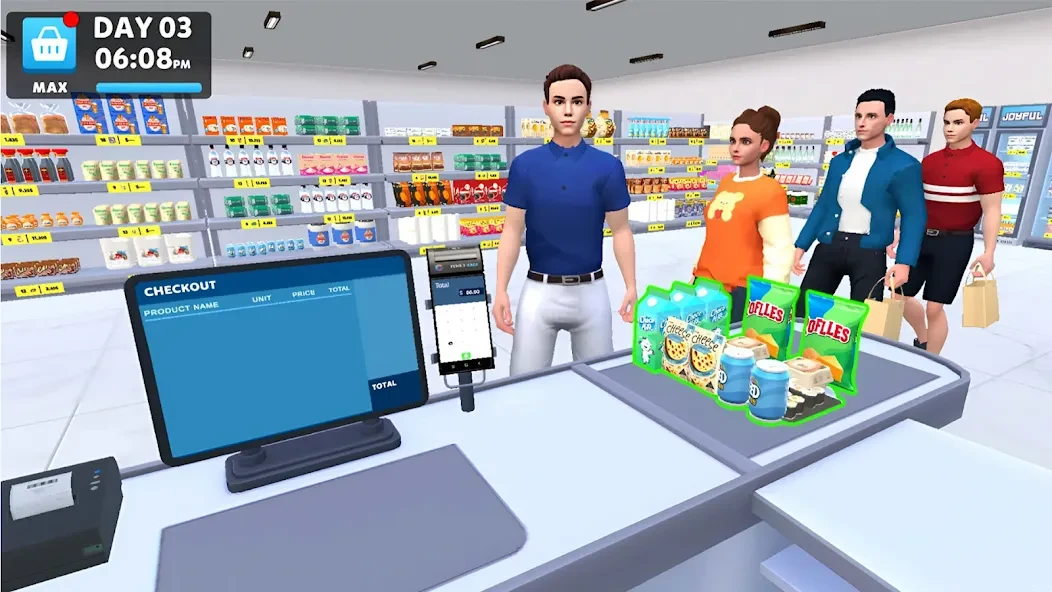
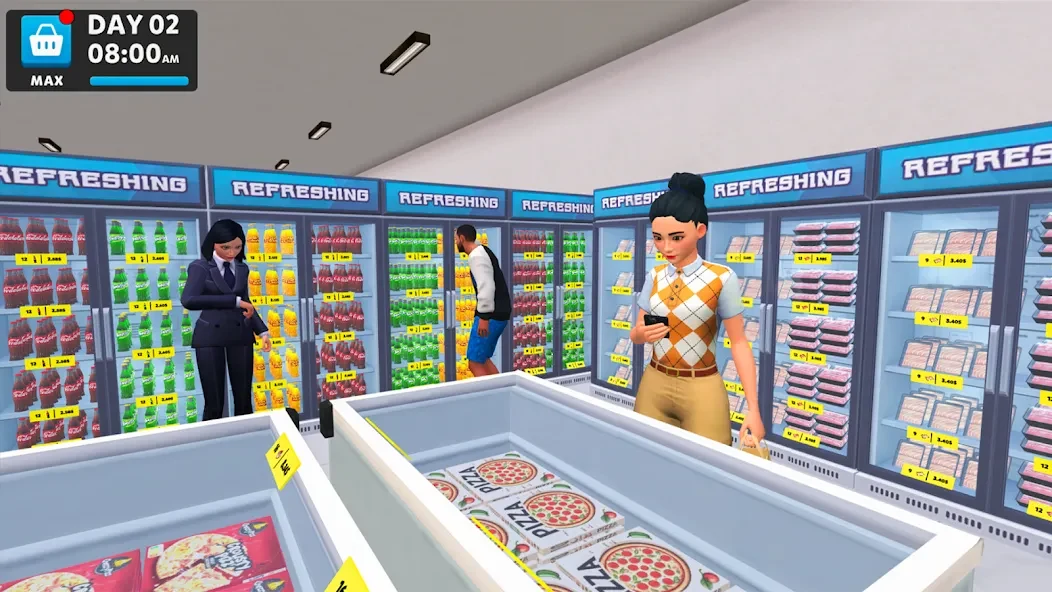
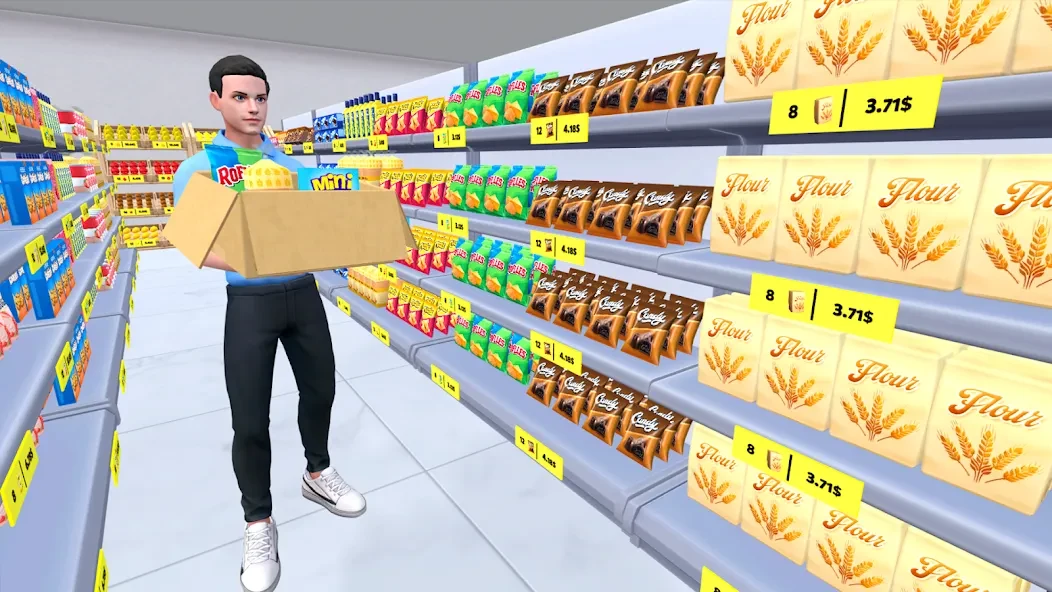
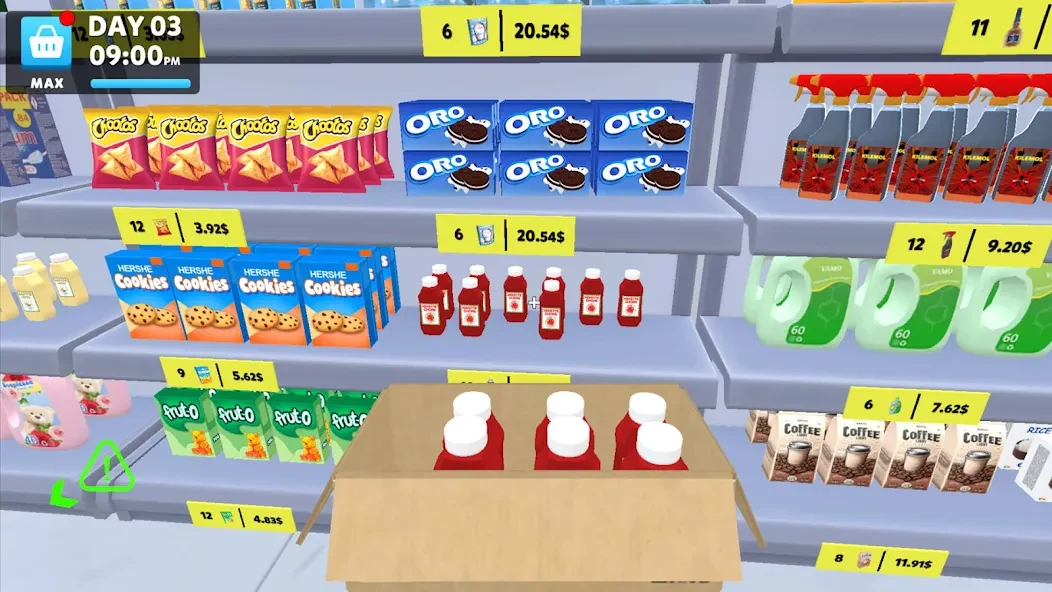
My Supermarket Journey is a supermarket-management simulation in which you oversee the daily decisions involved in running a store. You order products, organize shelves, set prices, and decide how to arrange and decorate the supermarket. The main challenge is balancing stock, staffing costs, and promotions while serving customers and keeping the business operating. As the store grows, you can add products and recruit workers such as cashiers and stockers. Its clearest appeal is bringing these connected retail tasks together in one management-focused game.
What do you manage as the supermarket grows?
You are responsible for procurement, product placement, pricing, and the store’s overall operation. The game calls for decisions about what to stock and how to present it, while sales and customer needs inform the next steps. The source also describes responding to customer feedback and market trends, so management involves adjusting plans rather than simply filling shelves once.
Growth includes recruiting staff, including stockers and cashiers, and arranging promotional events. Wages and discounts both affect the business, so promotions need to be weighed against operating costs. The goal described in the source is to attract customers and generate revenue that can support continued operations and expansion.
How do inventory and shelf placement work?
Inventory management involves monitoring stock, placing orders in time, and keeping products available on the sales floor. The source suggests that organized, well-stocked shelves can make products easier for customers to find and support purchases. It also describes arranging items according to factors such as popularity, seasonal demand, and promotions. Unlocking additional food items lets you broaden the range offered by the supermarket.
Tips included with the source recommend keeping at least 16 units of each item on the shop floor, with shelf-space needs varying by product: some items may use one shelf spot, while others may need several. Those tips also emphasize having enough stock in storage. They suggest ordering three or six items at a time to limit the effect of shipping costs, while noting that an order of ten is possible but less ideal. These are presented as player guidance, not guaranteed outcomes.
Can you change the store and its prices?
Store customization includes changing the layout and decor, giving players a way to shape the shopping environment. The source also describes expanding the supermarket and upgrading departments or facilities. These choices sit alongside practical decisions about where products go and how the store can meet different customer needs.
Pricing is another management lever. A player tip suggests setting prices around eight percent above the market price and rounding down, but this is advice from the supplied material rather than a required strategy. The source does not provide detailed rules for how every pricing decision affects sales, so players should treat that figure as a suggested approach, not a guaranteed profit formula.
What should you know about checkout and reported issues?
Cashiers are part of the staffing options, and the source identifies checkout as an important point in the customer experience. Players also describe operating registers themselves, but this is a player tip rather than a stated requirement. Hiring staff means balancing service needs with wages, which forms part of the broader task of keeping store operations running smoothly.
Some supplied player comments report glitches, lag, customers getting stuck, and difficulty picking up furniture boxes. Another comment asks for a visible stock count in the store system, saying that the lack of an available-quantity display makes purchases harder to track. These are reported experiences and feedback, not a complete or verified account of the game’s current state. The game may suit players interested in managing retail tasks, organizing products, and gradually developing a supermarket.