

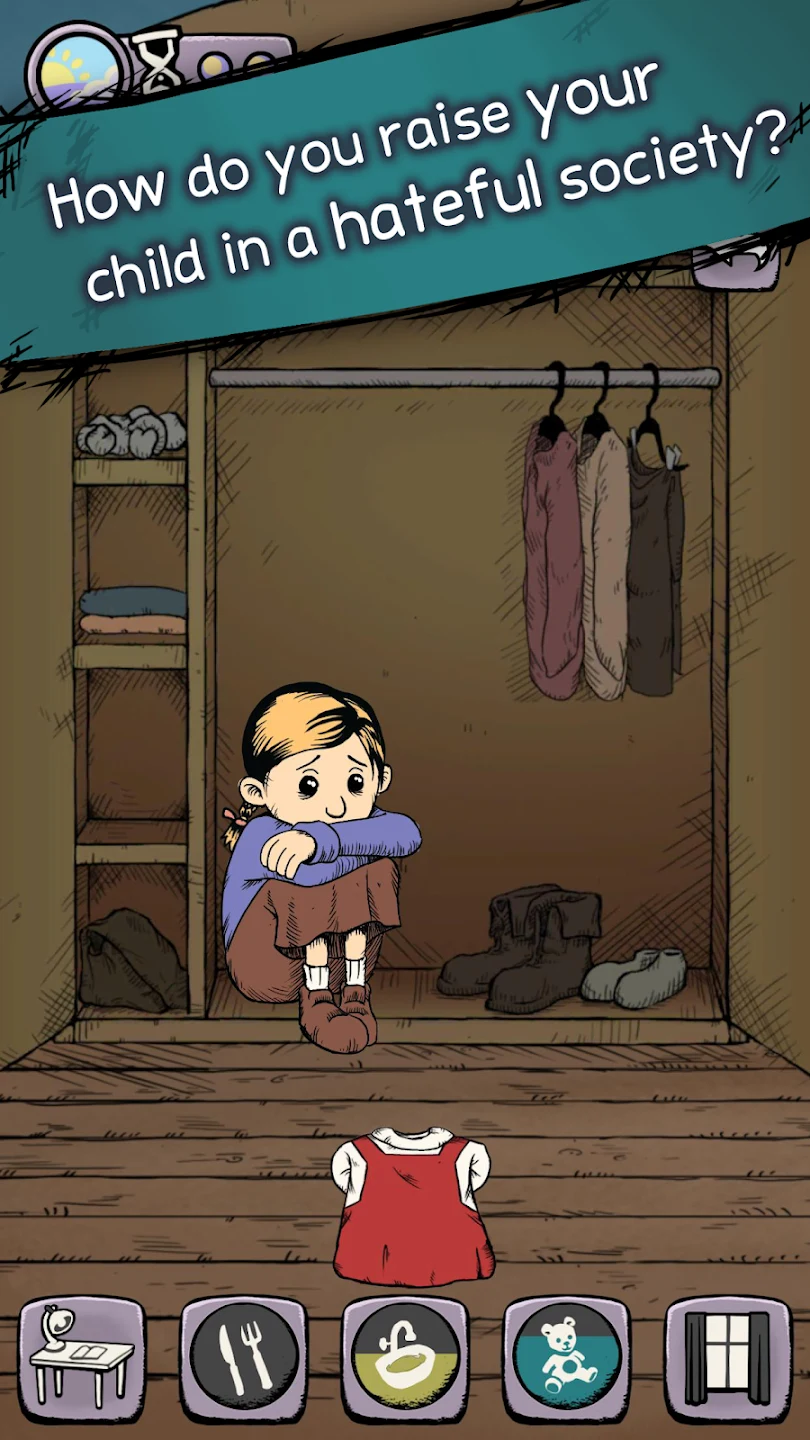
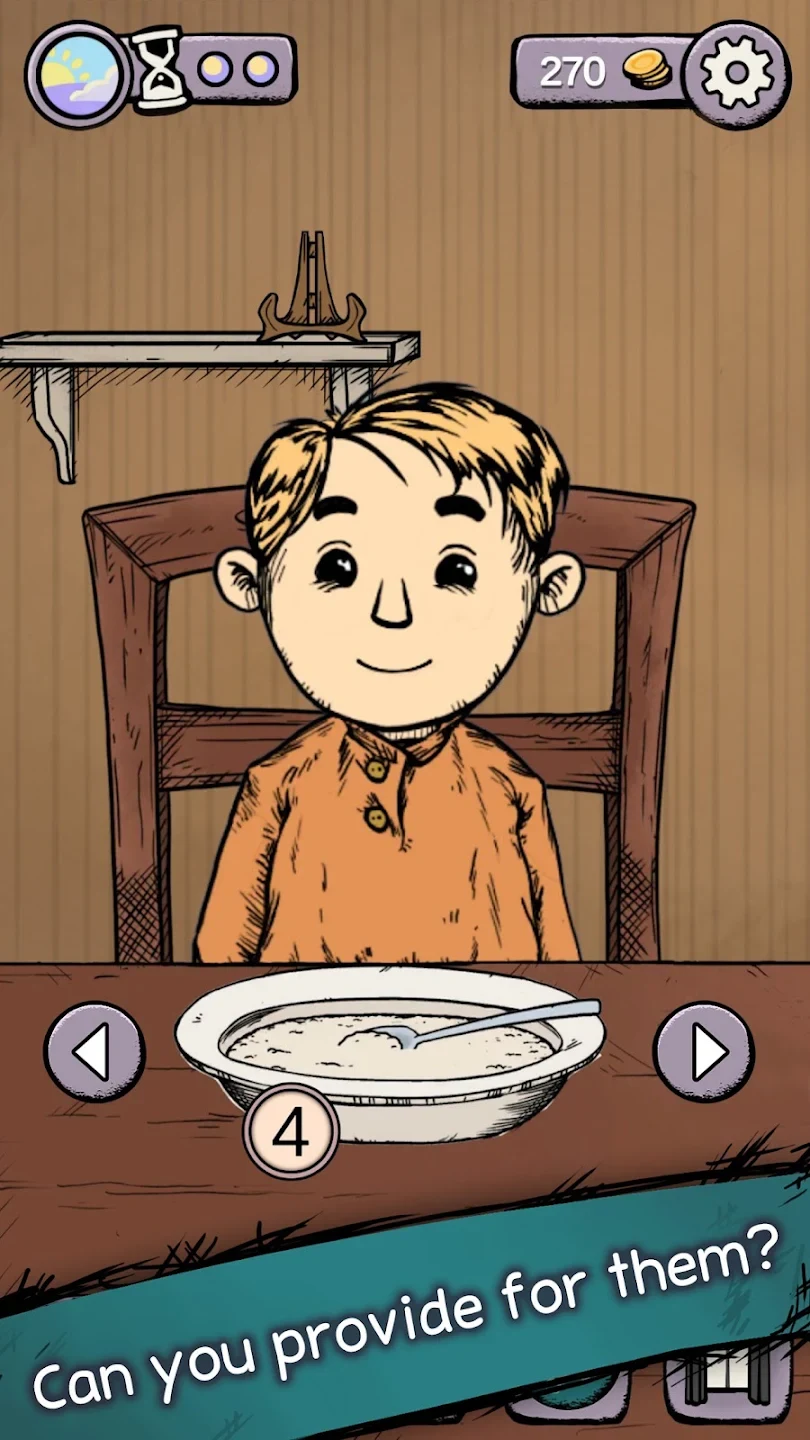
My Child Lebensborn places you in the role of a foster parent caring for a child in the difficult years after World War II. The game focuses on the practical and emotional work of helping a boy or girl cope with hostility, social stigma, and the consequences of war. Building trust is central: conversations, decisions, and shared activities affect how the child responds to the world. This makes the experience less about conventional winning and more about managing a fragile relationship while trying to provide care, reassurance, and stability.
Choices, trust, and emotional consequences
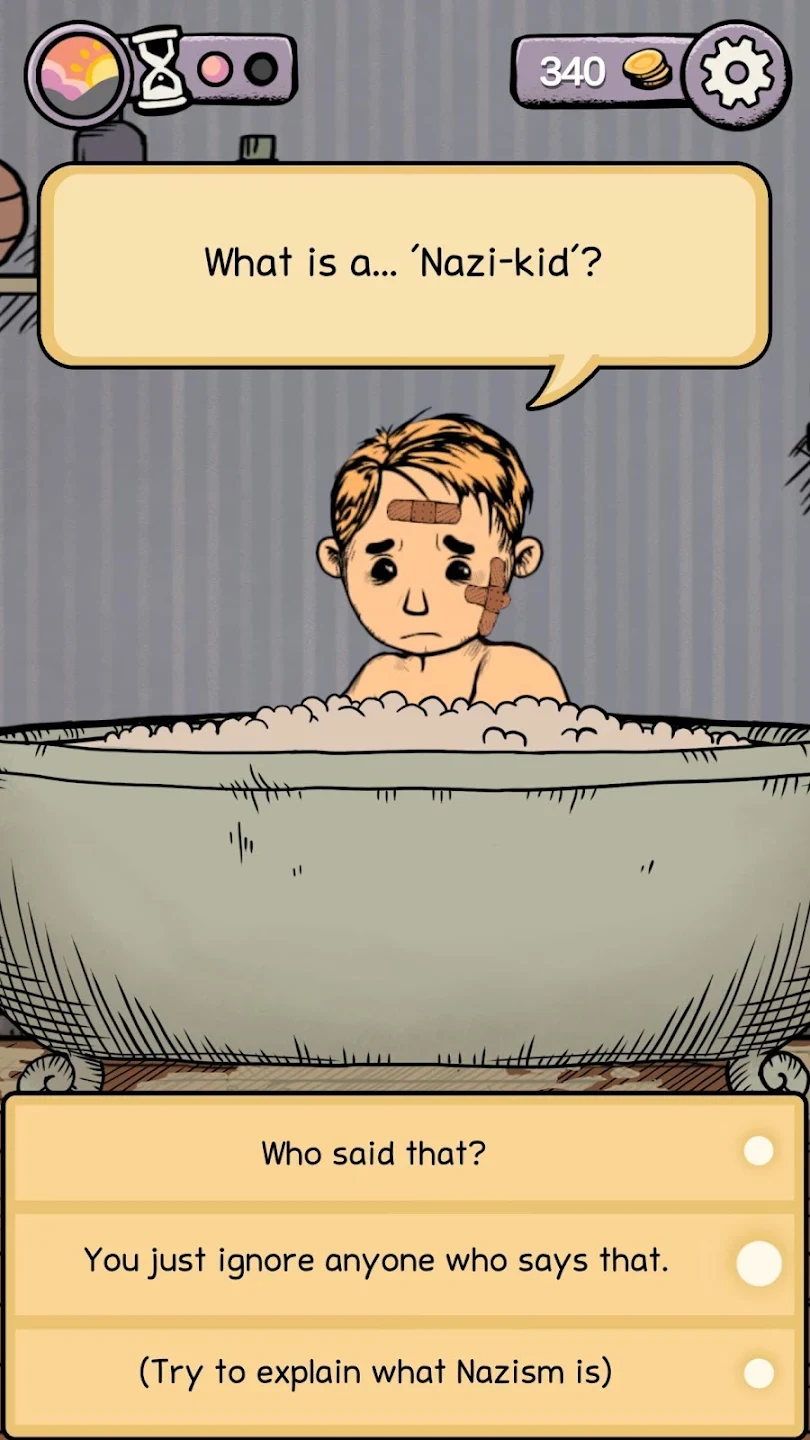
Throughout the story, you face dilemmas that can be approached according to your beliefs or with help from others. The child’s feelings, personality, and worldview develop in response to these decisions. Changes are communicated through expressions and body language, giving you clues about how your actions are being received. The storyline draws on the experiences of postwar children and addresses bullying, prejudice, trauma, and other difficult subjects, so the narrative can be emotionally demanding.
Balancing work, care, and limited resources
Daily life combines earning money with looking after the child. You work to bring in income, then decide how to spend limited time and money on cooking, crafting, foraging, and play. These systems connect the practical demands of providing for a child with the need to spend meaningful time together. The game also presents questions about whether working overtime is worth the cost when it leaves fewer opportunities for shared experiences.
Activities and outdoor memories
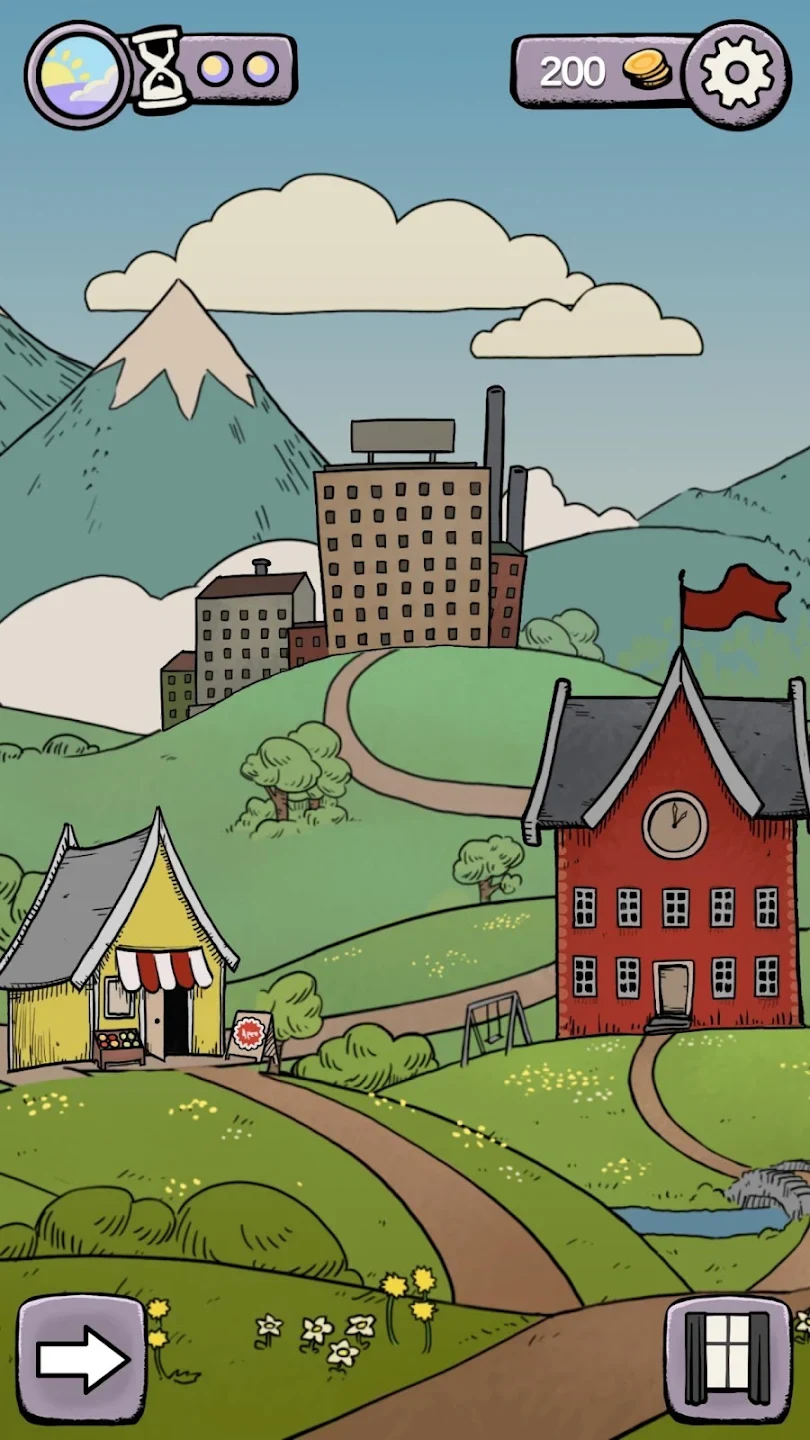
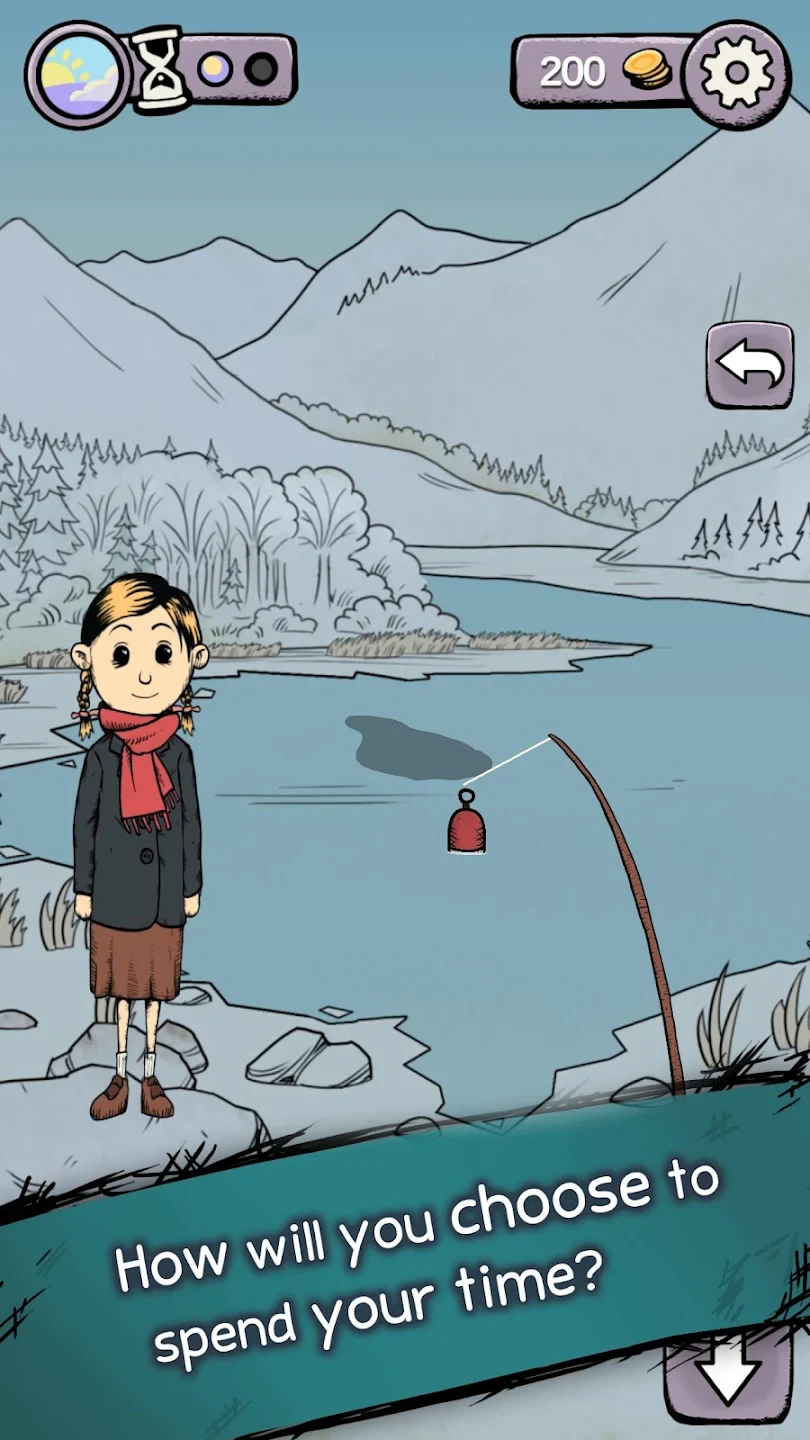
The remastered version adds more ways to interact as the child grows. You can try additional recipes, make animals from pine cones, skip stones at the lake, pick flowers in the forest, and take part in seasonal activities. Outdoor interactions are supported by improved visuals that make the Norwegian landscape more prominent. Ticking and petting the child can also produce reactions that add detail to these quieter moments.
A journal of the year together
The journal records both difficult experiences and happier memories from the year you spend with the child. Flowers collected during activities can become part of the room decoration, turning shared moments into visible reminders of the relationship. Newspaper clippings received during the game may also have another use, adding a small element of discovery to the household routine. You can choose to adopt a boy or a girl, with that choice influencing parts of the story and the challenges encountered.
Who may want to consider it
Simple mechanics and a range of activities make the caregiving systems approachable, but the subject matter is not light. The game includes heavy themes involving war, bullying, emotional distress, and social exclusion, and the source material notes that it is intended for older players. It is best suited to people looking for a historically grounded, emotionally focused narrative rather than a purely relaxing parenting simulation.