

Moon Shard places you inside two connected lives and lets deliberate choices shape what happens next. You guide a young man resisting a predetermined career path and a woman trying to rebuild after past mistakes, with decisions about love, work, and sacrifice influencing their futures. The game is built around intimate scenes, moral conflict, and visible consequences rather than action mechanics. Its chapter-based structure can suit both shorter sessions and longer stretches of play, while the intersecting stories create opportunities to see how separate decisions affect later events.
Two lives shaped by difficult choices
The central story follows two protagonists whose chapters frequently intersect. One character is dealing with pressure to follow an expected career, while the other is working through the consequences of earlier mistakes. Their situations give the choices a personal focus, with relationship developments and career opportunities changing according to the decisions you make. Rather than presenting a simple success route, Moon Shard uses trade-offs and moral dilemmas to make the direction of each character’s life feel uncertain.
Dialogue-led gameplay and touch controls
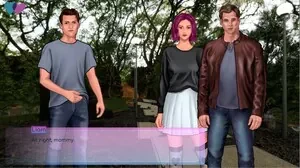
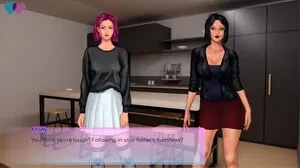
Gameplay centers on branching dialogue and decision nodes. You tap to advance the text, choose between dialogue or action options, and use a history log to review recent passages. Swiping moves between scenes, while an on-screen menu provides access to saves and settings. Choices remain visible as you play, so the interface does not depend on complex tutorials. Auto-advance and adjustable text speed let you change the pace of reading to suit your preference.
Branches, endings, and replay
Progression is tied to story beats and changing relationship or career outcomes, not levels or experience points. Some decisions affect which opportunities appear and how relationships develop, leading to multiple distinct endings. Several save slots allow you to preserve different points in the story, and chapter selection becomes available after the initial completion. Together, these features make it possible to revisit important decision points and explore alternate paths without treating replay as a separate mode from the main narrative.
Presentation and pacing
Expressive character portraits, mood-setting backgrounds, restrained animation, and cinematic transitions support the emotional tone of important scenes. Careful color palettes and framed, face-to-face conversations keep attention on the characters and their choices. Ambient soundscapes and subtle score elements add atmosphere without taking focus away from the text. The story is divided into chapters and scenes, with some sections allowing time for reflection and others presenting decisions that can change future scenes.
Settings, saves, and offline play
Moon Shard focuses on storytelling rather than extensive character customization, but it includes practical reading and progression tools. In addition to multiple save slots and chapter selection, bookmarks help mark parts of the story, while adjustable text settings provide control over the reading experience. Accessibility options include larger text sizes, screen contrast adjustments, and the ability to skip text that has already been read. The single-player experience is designed to work offline after the initial download, which can be useful when playing during travel or in areas with limited connectivity.
Who may enjoy Moon Shard
This game is aimed at players who prefer character-focused narratives, decision-based gameplay, and stories that invite reflection on moral dilemmas. Its main challenges come from weighing consequences rather than overcoming mechanical difficulty. Some choices can permanently close relationship paths or career options, so players who prefer low-stakes progression may find the results stark. Those who enjoy revisiting branches, uncovering alternate endings, and following carefully developed character arcs may find the structure more rewarding over several playthroughs.