



Overview
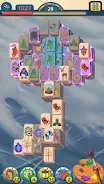
Mahjong Village combines classic mahjong solitaire with a gentle town-building system. In each puzzle, you match identical unlocked tiles to clear the board, earn resources, and develop a small settlement with structures such as a Tavern, Shop, and Workshops. This gives short puzzle sessions a longer-term sense of progress without changing the basic matching rules. Most single-player content works offline, while the optional Arena mode requires an internet connection for real-time matches. The game also includes adjustable presentation and accessibility settings, making it suitable for relaxed play on phones or tablets.
What You Can Do
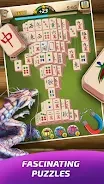
⭐ Match pairs of identical tiles by tapping one available tile and then its matching unlocked tile. Selectable tiles are highlighted, and visual feedback confirms successful matches as the board becomes clearer.
⭐ Use hints and shuffles when a layout becomes difficult. The hint system can guide newer players, while shuffles help change the available board when no convenient match is visible.
⭐ Activate boosters and power-ups earned through progression. These tools can alter board conditions, help create matches, or reveal hidden tiles during a puzzle.
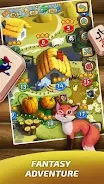
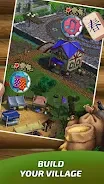
⭐ Build and improve village structures with materials and currency collected from completed levels. The Tavern, Shop, and Workshops provide different perks or permanent boosters, giving you choices about which improvements to prioritize.
⭐ Personalize the board with different tile artwork and background scenes. Options range from a stone-and-wood village style to brighter, higher-contrast themes that can make tiles easier to distinguish.
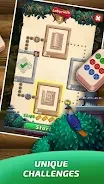
⭐ Take on different puzzle formats, including short layouts, labyrinth-style rooms, blocked tiles, multi-layer boards, and chained matches. Daily challenges, rotating events, and optional objectives add additional goals and can reward resources or cosmetic items.
Using the App
The touch controls are designed for one-handed phone play and two-thumb use on tablets. Early tutorials introduce the mechanics gradually, while contextual tooltips explain new features as they appear. As you clear levels, building materials and currency feed into the town system, allowing you to decide which community upgrades and bonuses are most useful for your preferred approach.
Visual settings can be adjusted to suit both preference and device performance. You can change sound and animation settings, increase tile contrast, enlarge interface elements, and configure how frequently hints appear. Performance options allow animations to be reduced on older devices, while data-use settings are available for players using metered connections. Most solo puzzles are available without a network connection; live events, online leaderboards, and Arena matches may require internet access.
Why It May Appeal
✅ The game links familiar mahjong solitaire rules with a clear resource-and-upgrade loop, so individual puzzles contribute to visible town progress.
✅ Its level structure accommodates both quick sessions and more involved challenges, with later boards introducing layered layouts, blocked tiles, and chained matches.
✅ Custom tile designs, background scenes, sound controls, animation settings, and contrast options let players adjust the presentation to their preferences.
✅ Offline access to most single-player content makes it practical for travel, commuting, or other situations without a reliable connection.
✅ Players who want competition can use the separate Arena mode, while those seeking a quieter experience can remain with the solo progression.
Things to Consider
❎ The Arena, live events, and online leaderboard-related features require an internet connection, so they are not available in the same way as the offline single-player content.
❎ The game includes multiple systems beyond basic tile matching, including town upgrades, boosters, events, and optional objectives. Players looking only for a minimal traditional solitaire presentation may find the additional progression layers less essential.
Level Variety and Ongoing Content
The game includes a large library of layouts that ranges from relaxed early puzzles to more complicated labyrinth rooms. Early stages introduce the rules gradually, while later levels combine several mechanics and require more deliberate planning. New layouts can be added through updates, and time-limited event levels may introduce special rules or tile types for a limited period.
Replay value also comes from daily challenges, rotating events, and optional objectives. These activities can provide unique resources or cosmetic items, while the standard puzzle mode remains available for casual play without requiring purchases. Town perks and boosters can be especially useful in timed challenges or labyrinth rooms, where careful resource use affects how you approach the board.