
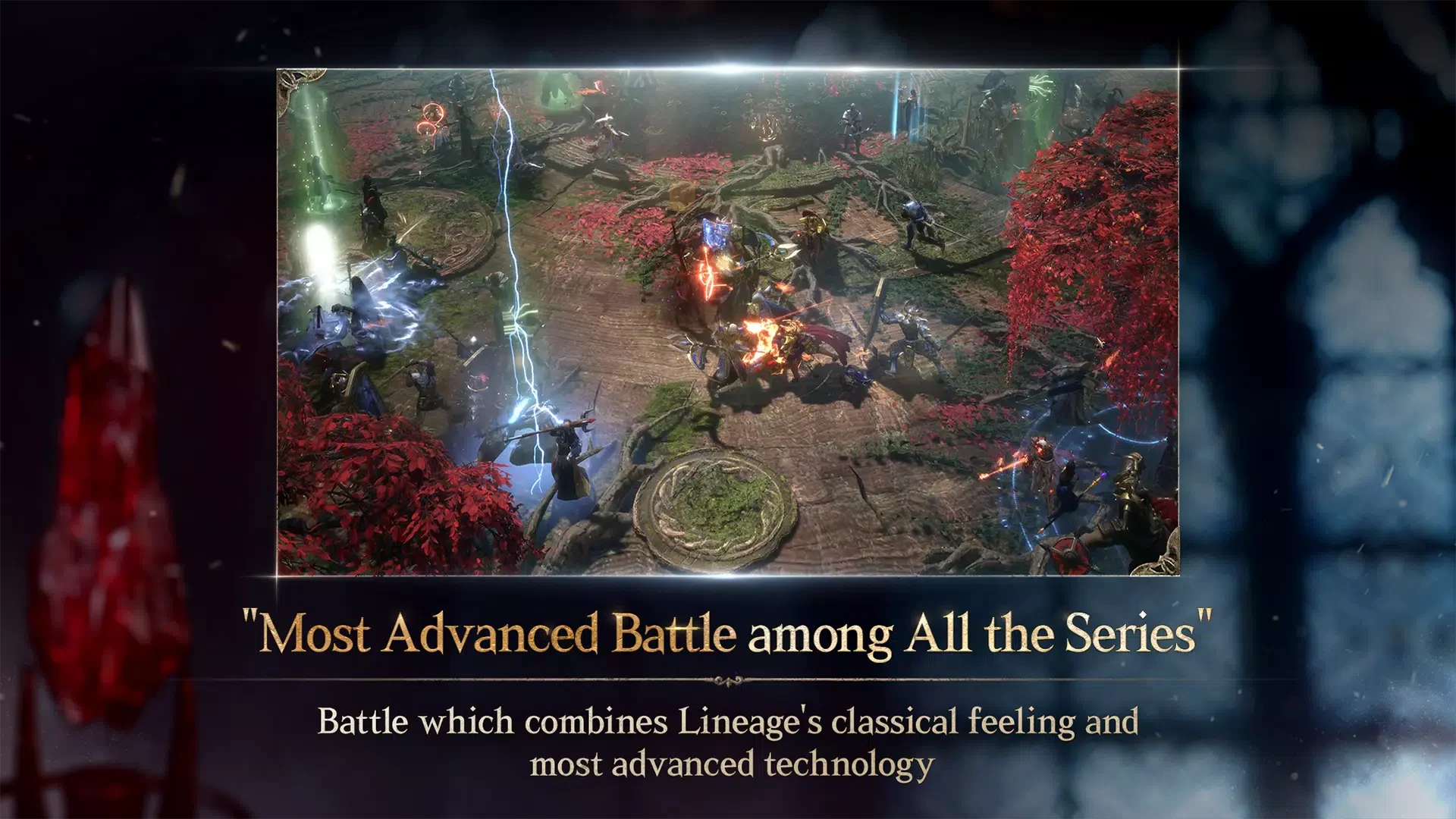
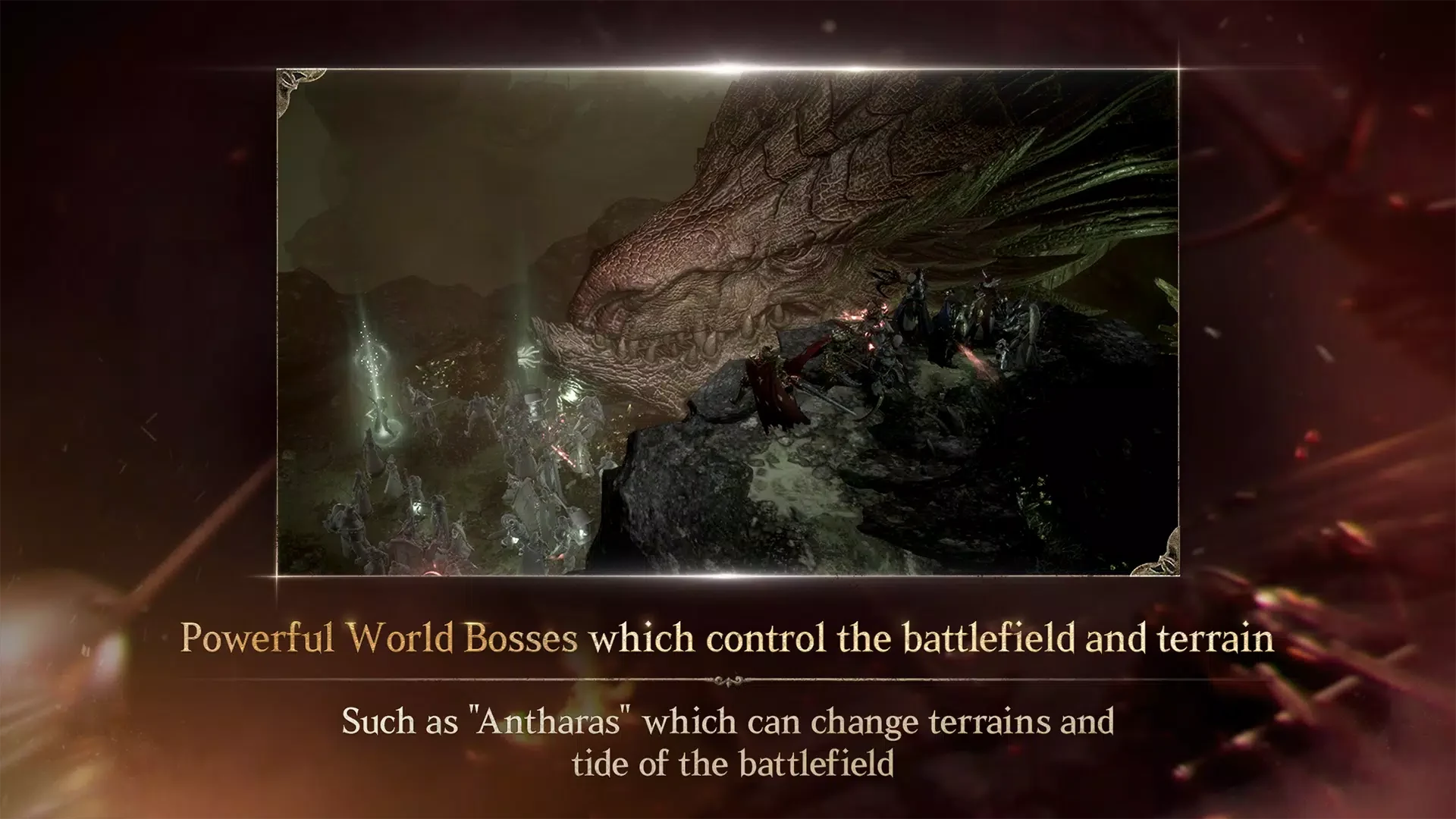
Lineage W is a dark fantasy MMORPG set in Aden 150 years after the original Lineage story. Players choose a class, explore the world, and use weapons and abilities to defeat enemies. Rewards from battles support character development and can unlock additional gameplay features, while guild activities extend the conflict from individual encounters to large-scale sieges.
Exploration and character development
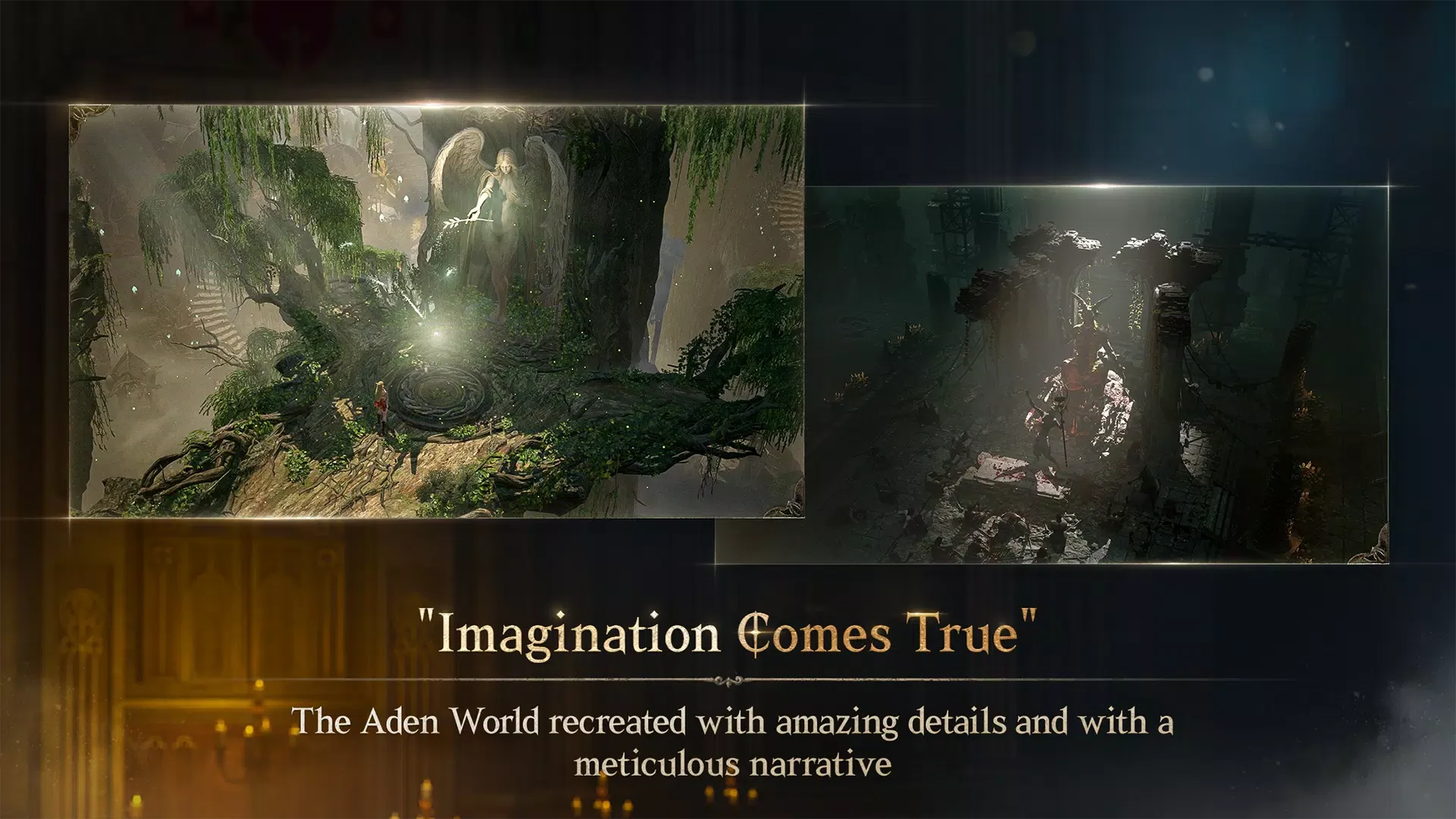
The game presents Aden through a quarter-view perspective and frames its world around a dark fantasy setting. Exploration and combat are connected: players encounter enemies as they travel, defeat them with their chosen weapons, and earn rewards that help develop their characters. The source describes character growth and access to further gameplay features, but does not specify particular upgrade systems or a fixed level structure.
The setting is described as taking place 150 years after the original Lineage story. Rather than detailing a specific story campaign, the available information emphasizes choosing a character, exploring Aden, and taking part in battles. The game is described as bringing classic Lineage elements—including battle, honor, Blood Pledge, and sacrifice—into a newly designed presentation.
Four classes and different combat roles
Players can choose Lord, Knight, Elf, or Mage. The class overview refers to the Lord as a Monarch, so the descriptions use both names for that role. Lords can establish a Blood Pledge, the game’s guild system, and are described as commanders whose abilities can strengthen guild members. They can use melee weapons and bows, but the class material says they do not strongly specialize in either offense or defense.
Knights focus on close-range combat and have stronger defensive capabilities than offensive ones. They can also equip bows. Their described durability suits a front-line role in group activities, while also supporting survivability during solo adventures. Elves can use bows, swords, or daggers; their skills are associated particularly with ranged attacks. They can also support allies’ spell potential and counter enemy spellcasters.
Mages specialize in powerful ranged attacks but have lower defensive attributes. Their role is not limited to damage: the class description also mentions debuffs against enemies and healing for allies. These class distinctions shape combat choices, from a Knight’s defensive presence to an Elf’s range or a Mage’s combination of damage and support. The source describes a counter relationship among Knights, Elves, and Mages: Knights can withstand Elf attacks and threaten them at close range; Elves can pressure Mages from a distance and interrupt their casting; and Mages can exploit Knights’ vulnerability to magic.
Guilds, sieges, and battles across regions
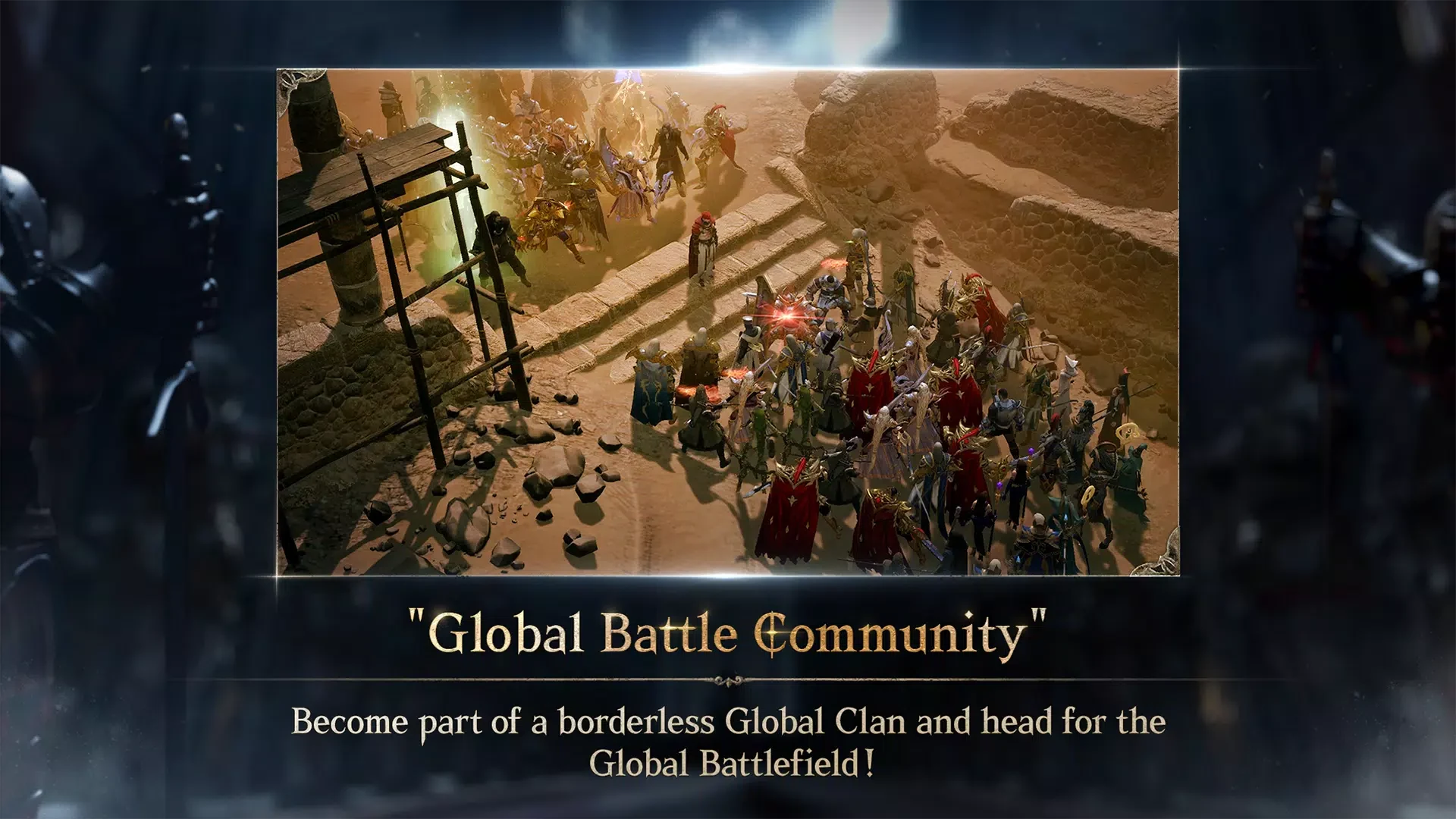
Players can join an existing guild or create one through the Blood Pledge system. Guild membership connects character abilities and social play to larger battles: Lords can empower members, and guilds can participate in siege battles. The game also describes combat against players from other servers, adding player-versus-player conflict beyond encounters with the world’s enemies.
Lineage W is presented as connecting players from different regions and countries to a shared server environment. Its communication feature uses AI-based translation to support real-time chat between players who use different languages. Together, cross-region communication, guild organization, and siege battles form the game’s larger-scale multiplayer focus, alongside the character-based combat and exploration at its core.
Presentation and gameplay structure
The source describes the game as using a new engine and technologies to present familiar Lineage elements in a redesigned form. Its stated gameplay combines exploration, weapon-based combat, character development, class roles, guild cooperation, and large-scale siege activity. The available information does not specify particular control layouts, additional game modes, or a detailed unlock sequence, so those aspects cannot be described more precisely here.