

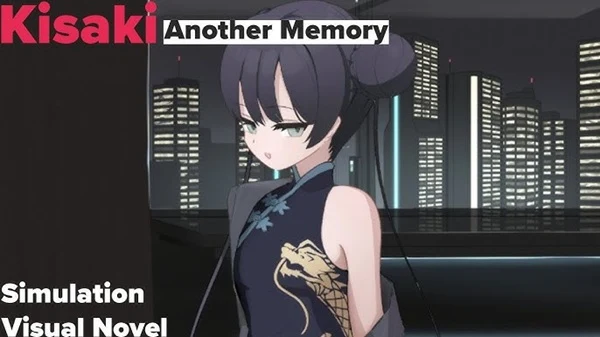

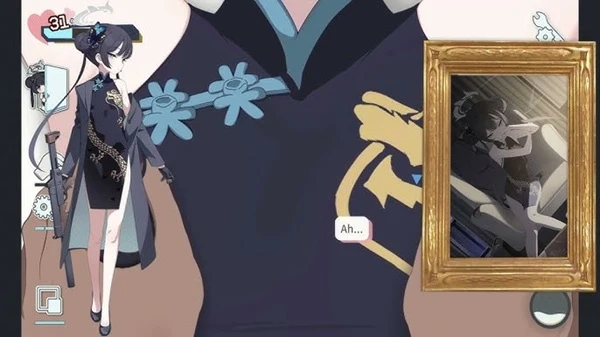
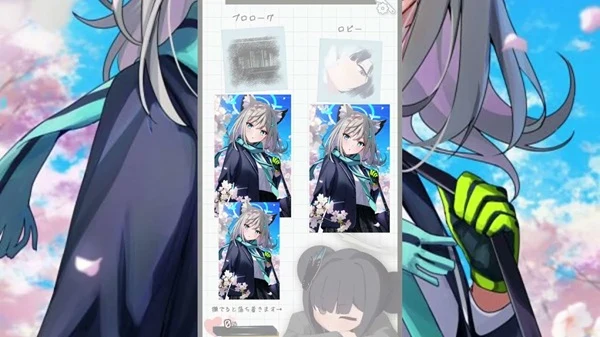
Kisaki Another Memory is a casual interactive game where players engage with Kisaki through conversations, choices, outfit changes, and intimate interactions. The experience focuses on observing her expressions and gestures, exploring different scenes, and gradually opening further story content as decisions shape the relationship and narrative direction.
Begin with Kisaki and her changing presentation
The central activity is interacting with Kisaki in a character-focused setting rather than moving through a large world or complex map. Players can change her outfits and choose styles suited to different situations. The supplied description presents casual, romantic, and intimate outfit contexts, with options ranging from school uniforms to cozy loungewear. These changes work alongside the character animations and scene presentation, allowing the same character to appear in different visual settings.
Live2D animation is used for expressions, blinking, gestures, and other movements. The description also refers to breathing motion and reactions to player choices. These details provide visual feedback during interactions, while lighting, sound, and background design help establish the tone of each scene.
Explore three contrasting scenes
The game documents three main scenes, each with a different atmosphere. The first uses warm tones and subtle lighting to create a calm, intimate setting. It emphasizes gentle expressions, natural-looking motion, and quieter behavior patterns, with delicate colors and smooth textures in the associated outfit presentation.
The second scene is brighter and more energetic. Its animations focus more on body movement, transitions, sharper expressions, and quicker gestures. Modern styling and more vibrant colors are described as fitting this active environment.
The third scene takes a more dramatic and cinematic approach. Contrast, depth, and emotional intensity become more prominent, while complex animations and sound-synced movement contribute to the presentation. Outfit choices in this scene are intended to work with its dramatic background and stronger visual tone.
Make dialogue choices and follow story branches
Dialogue choices form the main way players influence the narrative. The source describes multiple story paths and endings, with different responses leading toward different outcomes. Supportive choices can guide the story toward a more heartfelt romance arc, while lighter exchanges can lead to comedic side stories. The game also explores memory, identity, relationships, personal insecurities, and the secrets connected to its characters.
Progression is linked to the story rather than to a documented map or battle system. Players can collect memory shards to access bonus content, and the source states that completing the game multiple times may be part of collecting the available rewards. Since choices affect the direction of the narrative, revisiting the story can expose alternate paths and endings.
Use audio and Quick Play Mode
Music changes with the mood, ranging from upbeat pop to soulful ballads. Sound effects add detail to the environment and character interactions, while the description states that some motions are synchronized with sound. Voice acting is identified as being available in English and Japanese, giving dialogue an audio component in addition to the written choices and animated reactions.
Quick Play Mode provides a separate way to revisit selected motions. Players can select motions for immediate animations with sound effects instead of replaying the entire story. This mode is therefore described as a shortcut for viewing favored animation moments, while the branching narrative remains tied to dialogue and story choices.
Continue through character-focused content
The supplied description presents Kisaki and the wider cast as characters with backstories, motivations, and secrets. Dialogue choices and actions can deepen the player's relationship with them, while dynamic character development supports the continuing narrative. Environments, lighting, particle effects, and background music are also described as contributing to the emotional tone of important scenes.
The listed game version is 1.0.0. Beyond the documented interactions, three scenes, story branches, memory-shard progression, audio presentation, and Quick Play Mode, the supplied information does not establish additional systems such as combat, timed rounds, or map-based exploration.