

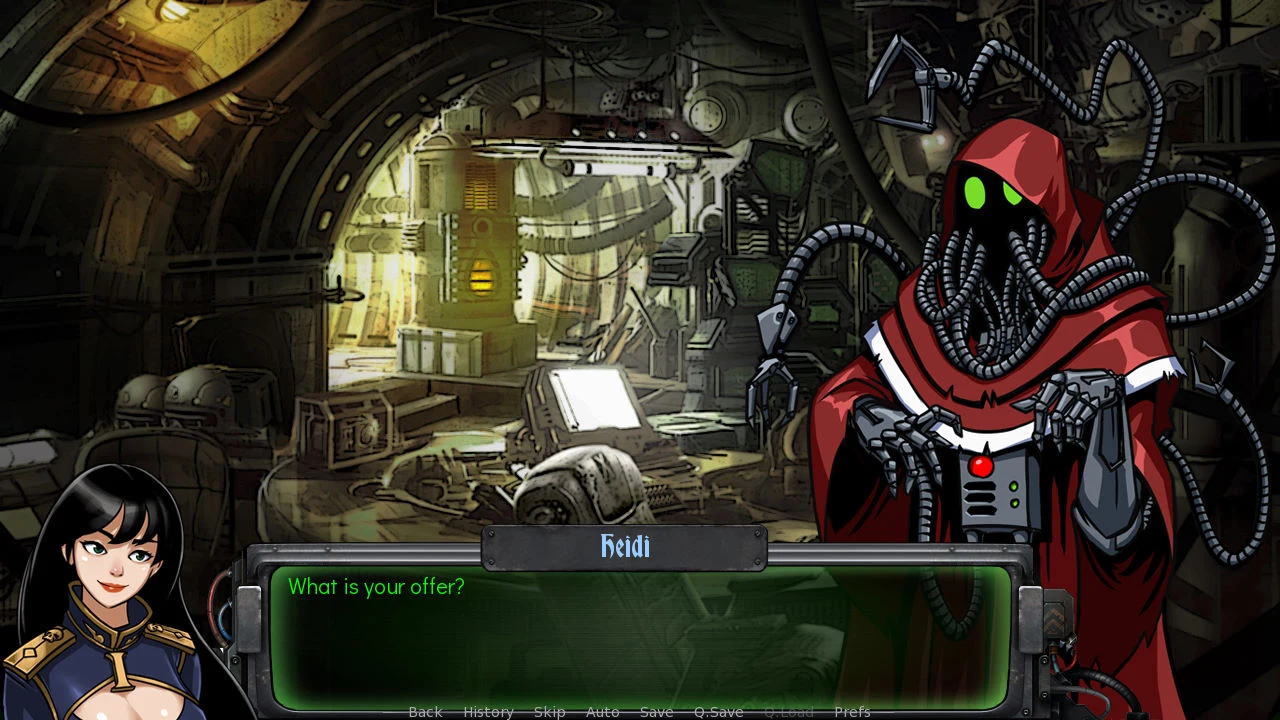

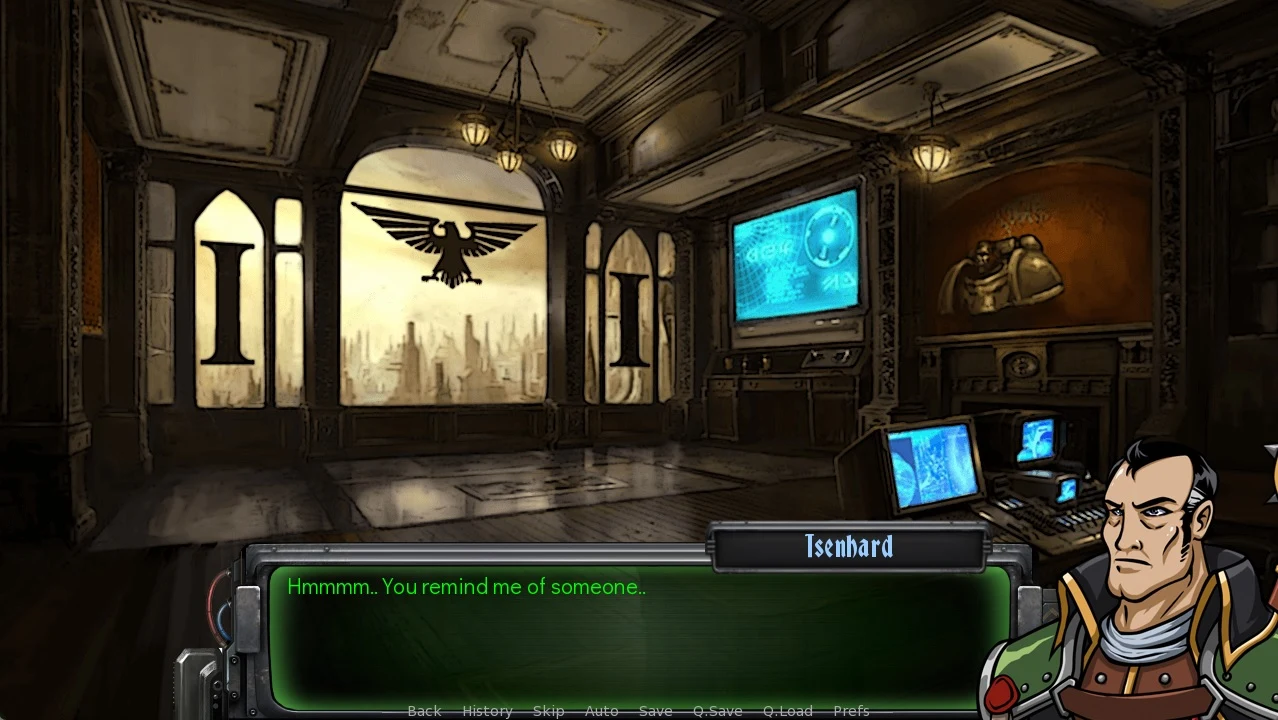
Inquisitor Trainer is a point-and-click adventure about investigating the disappearance of officials in a grim future. You take the role of a young female Acolyte working for an Inquisitor, following cases that may connect to cults, mutants, and other threats. The investigation brings together exploration, puzzles, conversations, decisions, and occasional confrontations; the protagonist’s limited training and equipment also mean that not every obstacle can be approached through conventional combat.
Explore locations and gather evidence
The investigation moves through locations in a city, where you interact with other characters and look for clues. Areas can contain information and tools relevant to the case, so progress depends on examining what is available and piecing together details rather than simply confronting a suspected enemy. The game describes exploration at the player’s own pace, with puzzles forming part of the effort to connect evidence and advance the mystery.
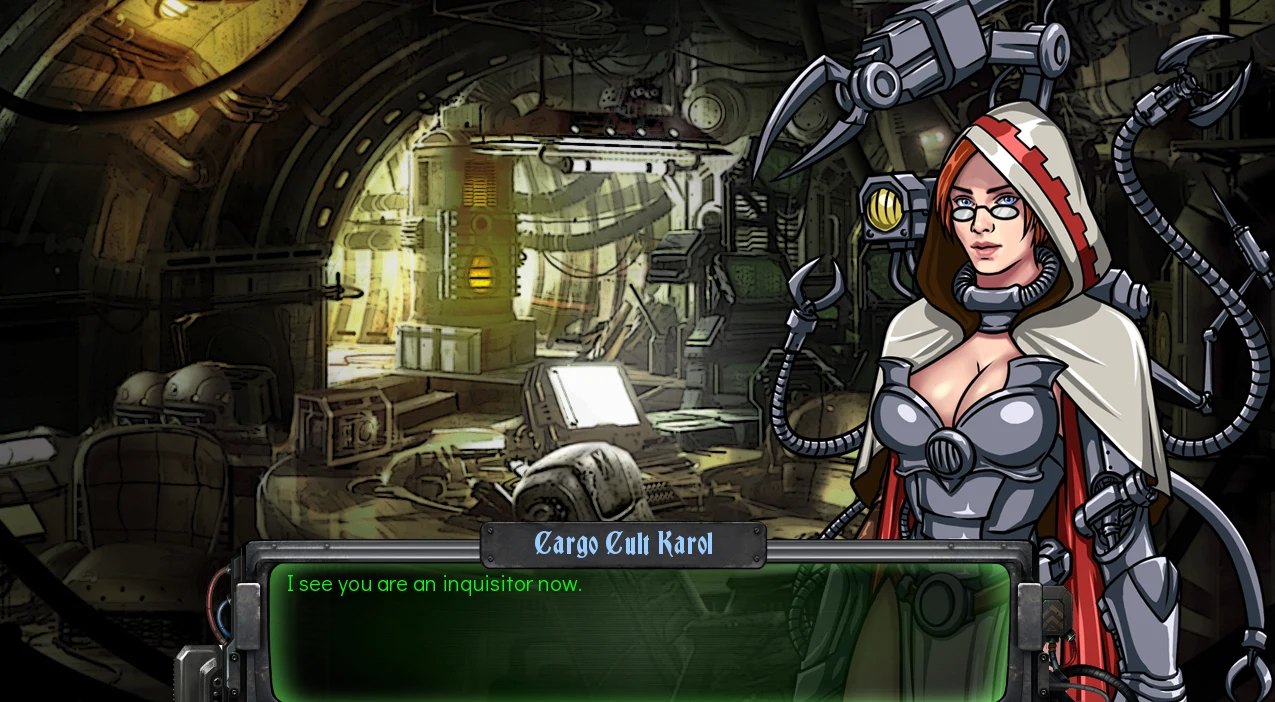
Interrogating suspects and speaking with allies are also part of the investigative process. Dialogue can be used to obtain information, while the protagonist’s choices influence how other characters perceive her. These exchanges connect the practical task of learning more about a case with the broader consequences of deciding how she behaves.
Choose an approach to difficult situations
Players choose the protagonist’s actions and can make decisions in line with different personalities and moral positions. The source describes choices ranging from remaining close to her duties to taking a more ruthless approach. Those decisions affect character relationships and the direction of the story, and the game is described as having multiple endings based on the actions taken.
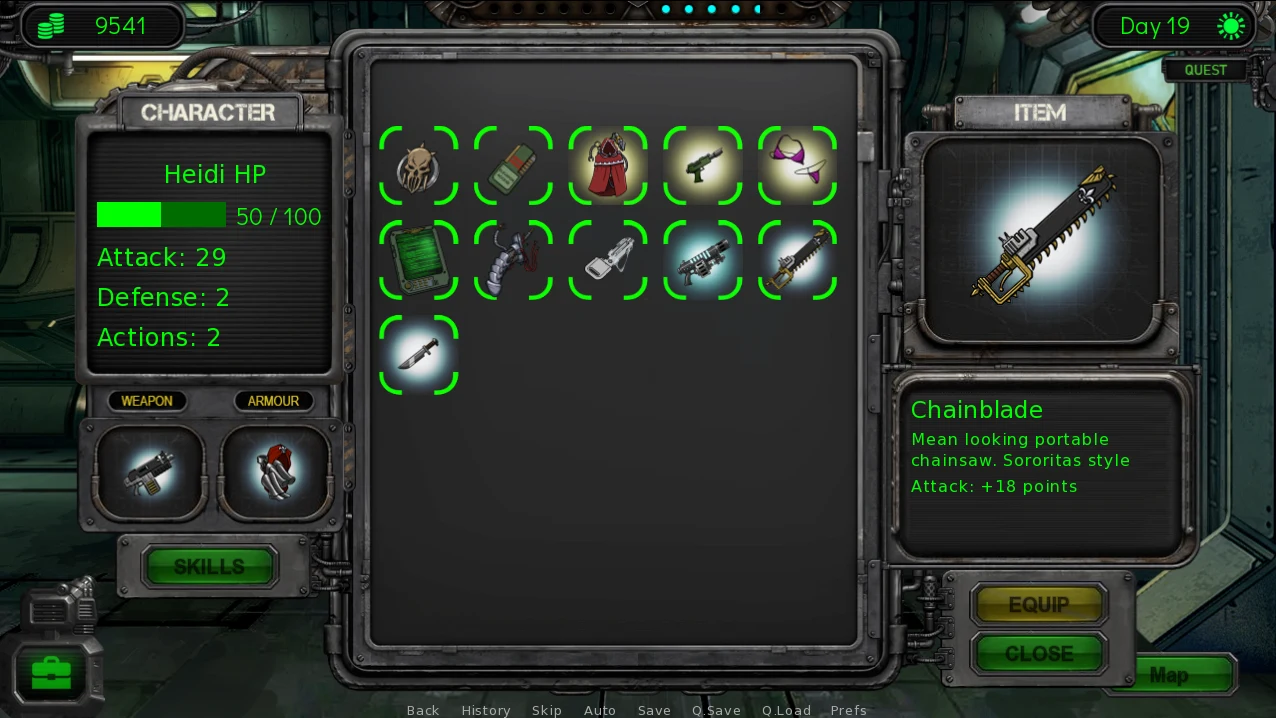
Combat is not presented as the protagonist’s only answer to danger. She has limited combat skills and may lack proper training or equipment, so some situations call for improvisation. The described options include using a gun or explosives when necessary, as well as finding unconventional ways to deal with threats. The story also includes non-combat tasks in which she uses charm or other forms of diplomacy to pursue objectives and obtain evidence.
This contrast between investigation, conversation, and confrontation shapes the choices available in the fiction: the Acolyte is tasked with protecting humanity, but is not portrayed as an all-powerful agent. The source emphasizes resourcefulness when facing enemies, without specifying a universal solution for each encounter. It also describes interactions with allies, suspects, and enemies as changing in response to player decisions, with trust and information serving as parts of those relationships.
Follow the case and its consequences
The central cases concern missing officials and other mysteries in the city. Suspected links to heretical cults, twisted mutants, and other abominations give the investigation its dark-future setting, while the protagonist’s role is to uncover what is happening and help root out threats. New locations, puzzles, conversations, and evidence all serve that broader investigative objective; the supplied description does not establish a fixed sequence of named stages or a single prescribed route through the cases.
Choices connect the immediate investigation to later story developments. The game describes different routes and endings, and says that the protagonist’s conduct can affect both other characters’ perceptions and the story’s direction. It also includes intimate scenes that can be unlocked as the investigation continues. These are presented alongside the mystery and character interactions, rather than as a separate mode with different stated rules.
Setting and presentation
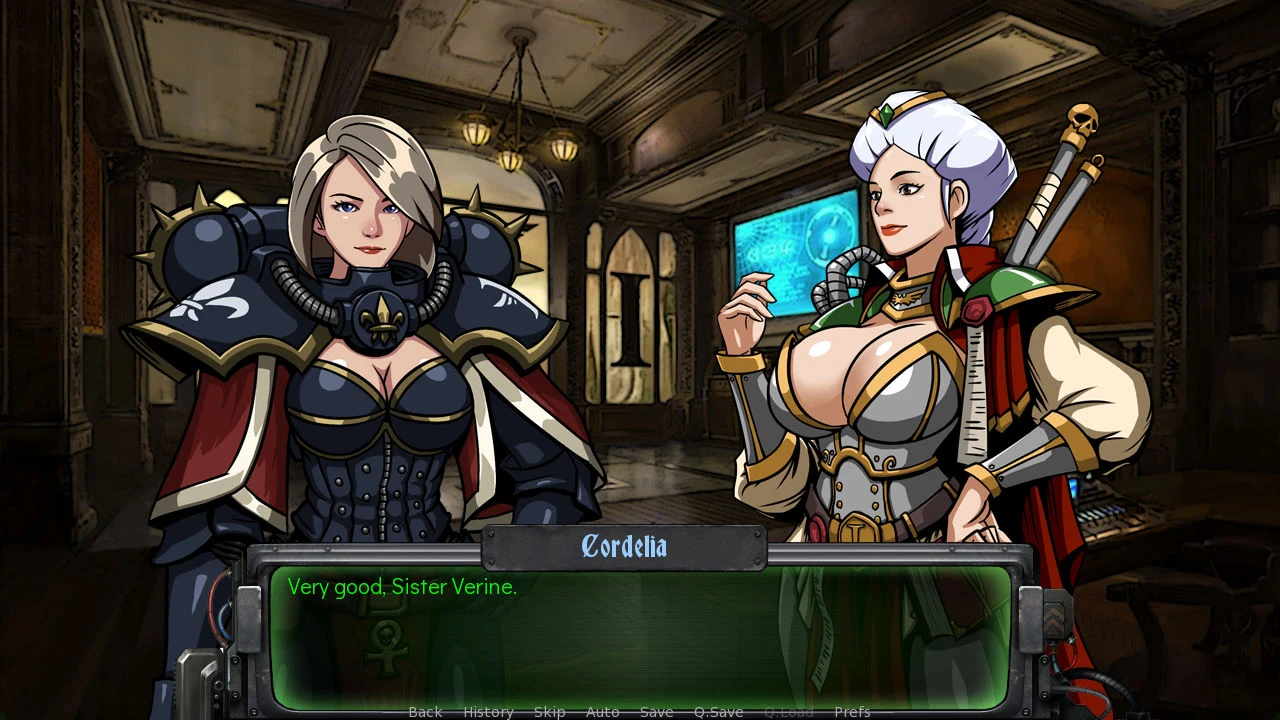
The story is set in a dystopian future inspired by grimdark science fiction. In this setting, Inquisitors work to defend humanity but rely on Acolytes to assist them. The protagonist’s inexperience is important to the premise: she is expected to investigate serious threats despite lacking the preparation and resources of a seasoned Inquisitor. The source describes a range of settings, including city environments and eerie abandoned buildings, and characterizes the presentation as gothic, with hand-drawn artwork.
Overall, the documented play connects point-and-click exploration to evidence gathering, puzzle solving, and character interaction. Decisions determine how the Acolyte approaches people and problems, while the consequences can shape relationships and the story’s direction. When danger arises, the described possibilities extend from firearms or explosives to improvisation and non-combat diplomacy, keeping the focus on an investigator who must adapt to the limits of her experience.