

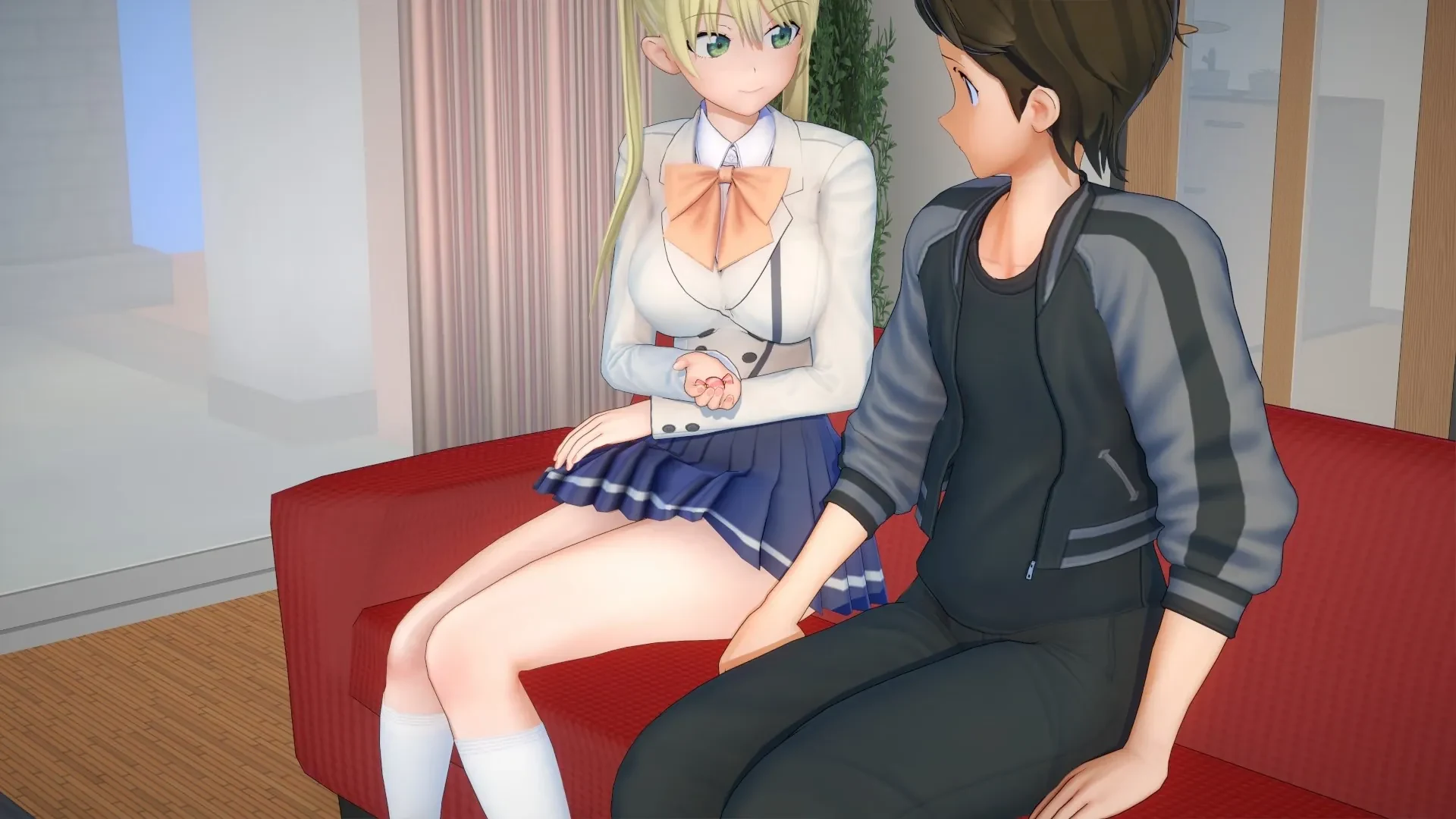
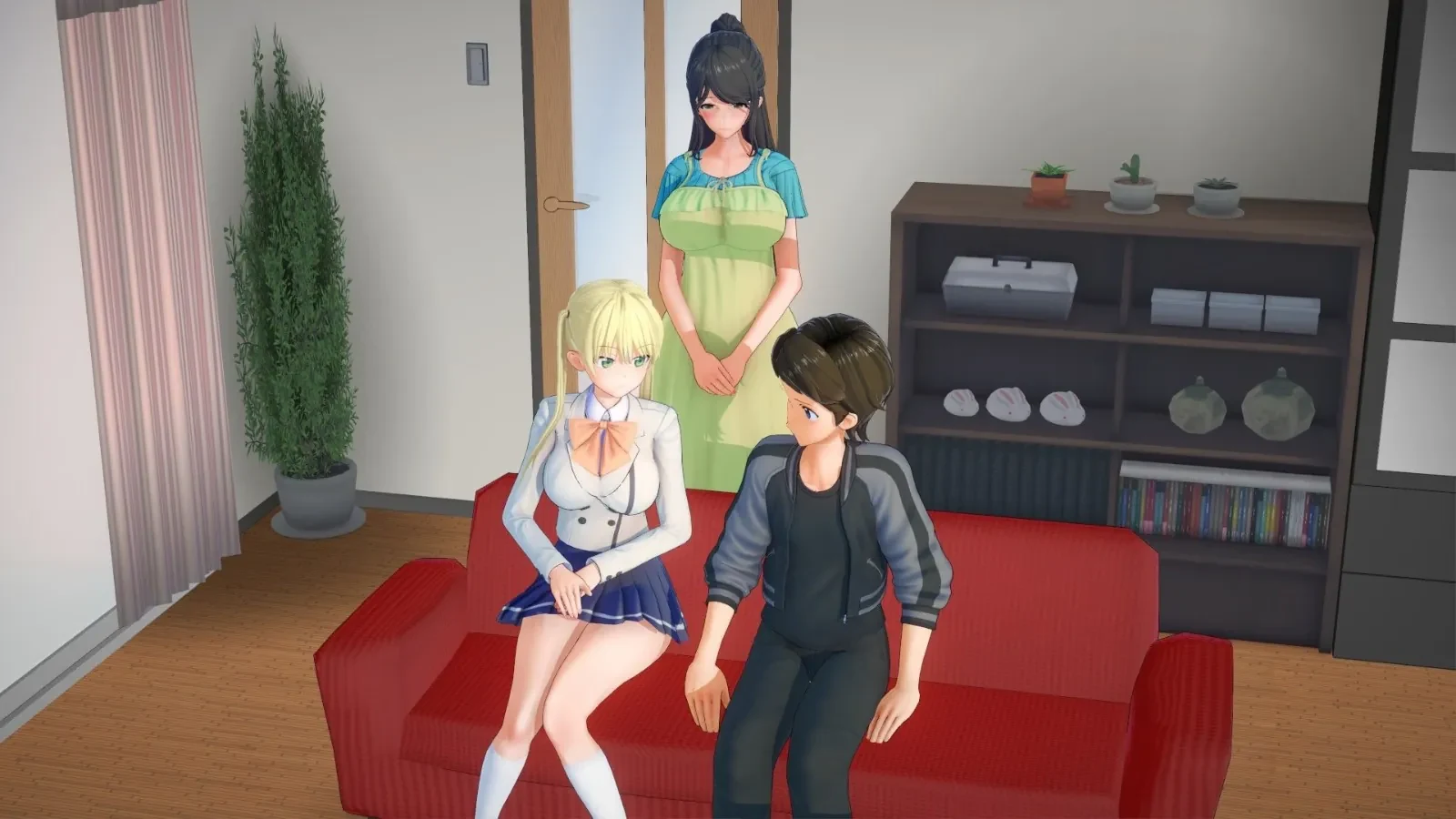
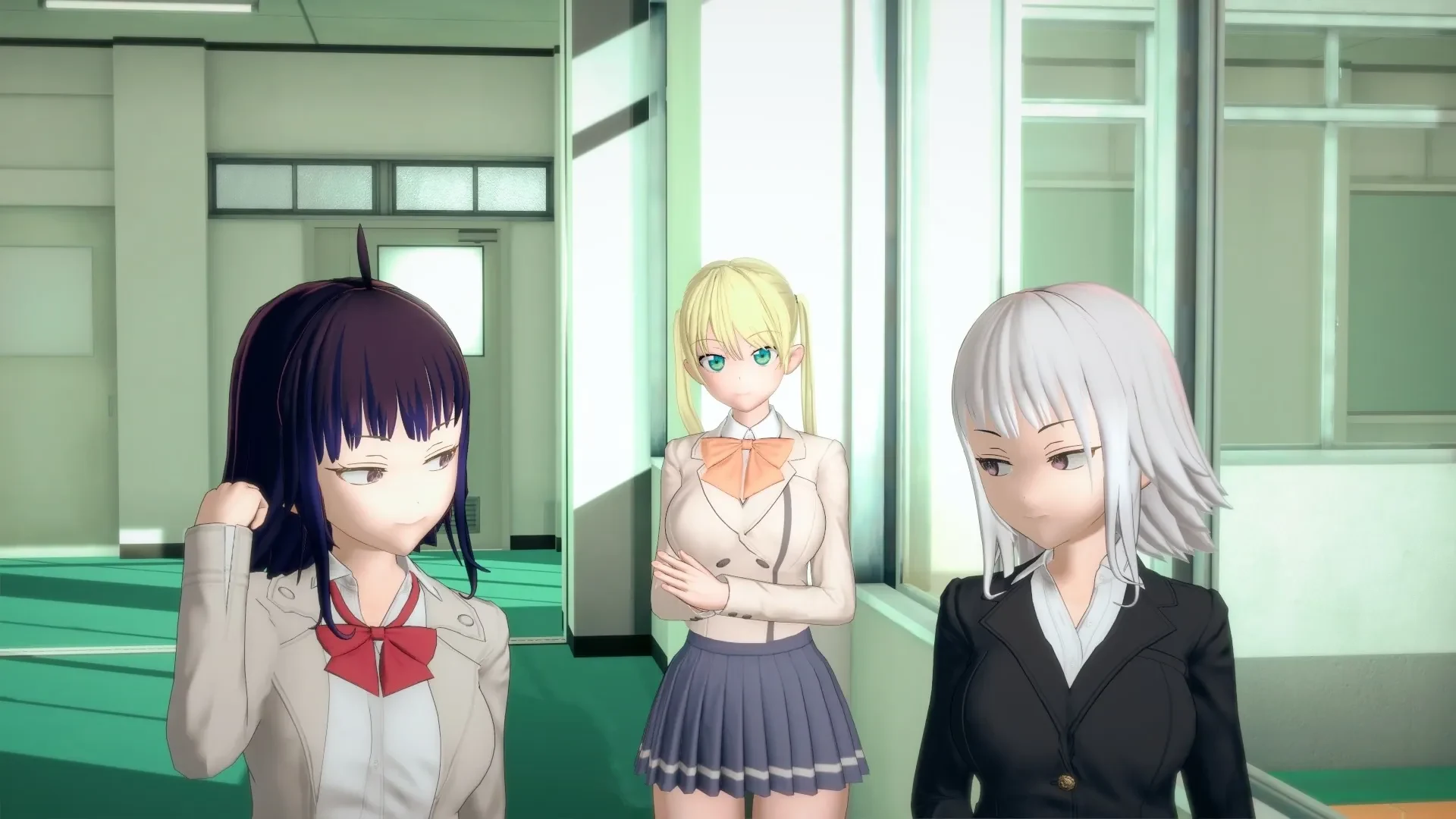

Femdom Academy is an adult-oriented visual novel set in a post-pandemic world where most men have vanished and a familiar academy is governed by powerful women and monster girls. You play a surviving man whose choices shape relationships, faction standing, and branching storylines. The game combines dialogue and exploration with short, timing-based encounters, while an energy mechanic limits how many interactions you can trigger at once. Its central appeal is a consequence-driven narrative in which supporting different characters and factions can change the missions, scenes, and endings available to you.
How do choices and relationships shape the story?
Decisions affect your standing at the academy, your relationships with dominant non-player characters, and which story paths open. Tasks, errands, and successful reflex encounters can raise your reputation with particular factions, leading to new dialogue and missions. Choices about whom to support and how to respond in key moments also influence access to scenes and endings across multiple story arcs.
The protagonist is a single character rather than a customizable cast, so variation comes primarily from decisions, alliances, and relationship outcomes. Different combinations can lead to different paths and unlockable content, giving the narrative reasons to revisit choices in another playthrough.
What does exploring the academy involve?
The academy is divided into multiple areas, including school wings, common spaces, and rival territories. Navigation takes place by tapping between scenes rather than freely wandering an open world. At locations, you can inspect characters and trigger quests or events. The areas contain rival factions, different types of monster girls, and environmental events that can change depending on whom you support. Visual cues point toward some characters and events connected to current quests.
How do the controls and encounters work?
Dialogue scenes use touch-based selections for choosing responses. Some confrontations include brief timing challenges that use reflexes and gesture inputs; their results can affect the encounter. The game alternates these segments with story scenes, and some challenges can shift control to an adversary character in the scene. This mix of visual-novel choices and light action elements is designed around touchscreen interaction.
What role does energy play in progression?
Energy limits how many events and interactions you can trigger at a time. It acts as a pacing mechanic, so you need to decide where to spend your available opportunities rather than progressing through every interaction continuously. Reputation and relationships, rather than traditional character leveling, define progression: completing tasks and supporting characters can unlock further missions and dialogue, while some scenes require relationship or reputation thresholds.
Who is the game intended for, and what should players know?
The game contains mature themes and adult content and is intended for a mature audience. It is described as a single-player, offline experience. The developer notes that English is not their first language and that translation inconsistencies may occur as text is refined. The supplied version 0.02 notes describe eight added scenes, including two mature scenes, and approximately 26,000 words of additional narrative. Players looking for branching character relationships, faction choices, and paced visual-novel exploration may find those elements central to the experience.