
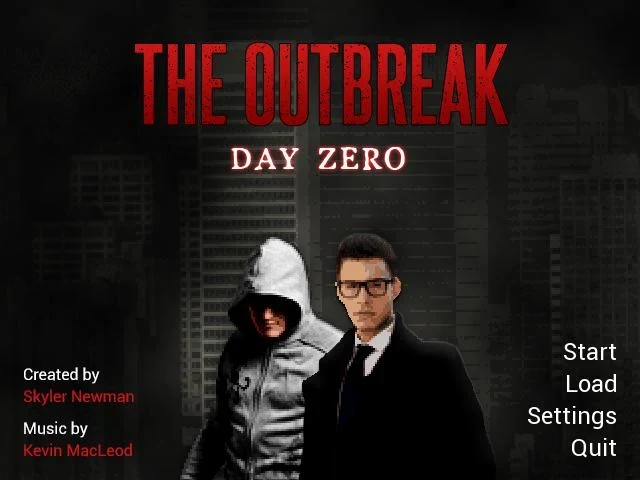
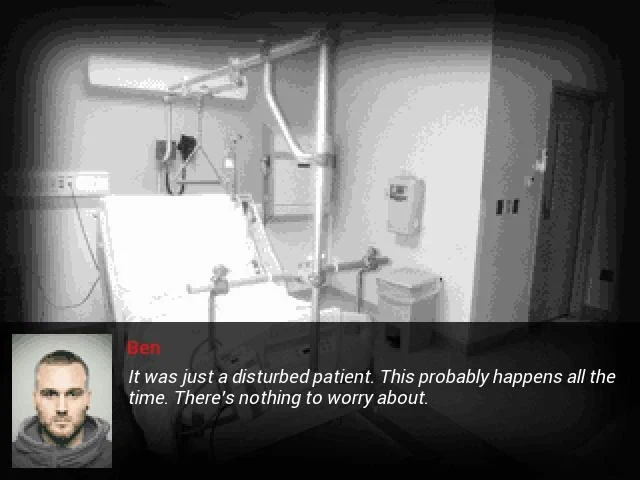
The Outbreak: Day Zero follows Adam Turner and Ben Young through a deadly virus outbreak in New York City. Presented as a kinetic novel, it focuses on the pressure, fear, and emotional strain of trying to survive as the crisis spreads. The story may suit readers who want a compact, dramatic experience supported by audiovisual presentation rather than a feature-heavy game. Full music, sound effects, and gritty photography work alongside the narrative to establish the atmosphere and give the characters’ journey a stronger sense of place.
Two lives in a city under pressure
Adam and Ben are the central figures in the story, and their journeys provide the main viewpoint on the unfolding disaster. They are portrayed with both strengths and flaws, giving the narrative character-driven moments as well as suspense. Their situation develops against the backdrop of New York City, where the spreading virus creates a race against time and places constant pressure on their decisions and survival.
Sound and photography shape the experience
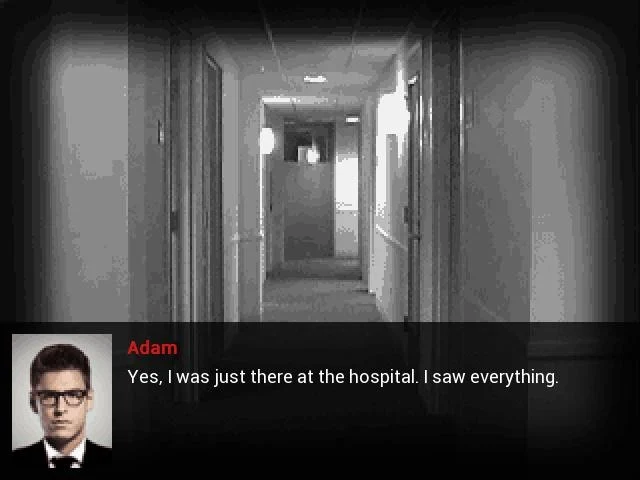
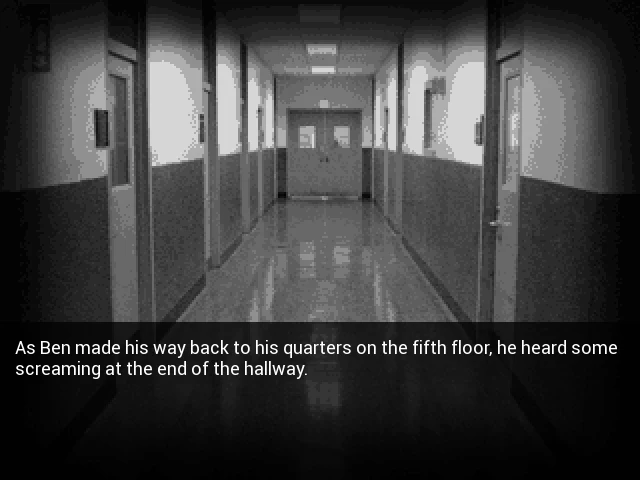
The novel combines written storytelling with full music, sound effects, and photography. These elements are intended to reinforce the mood of each scene, adding tension to the outbreak and emotional weight to the characters’ experiences. The gritty visual style also contributes to the realistic tone, while the audio helps build the surrounding atmosphere.
A focused reading session
The supplied guidance suggests setting aside about 50 minutes without interruption to experience the story fully. Listening closely to the music and sound effects can make the emotional and atmospheric details easier to appreciate. The photography and artwork are also an important part of the presentation, so the experience benefits from giving the visual material time and attention.
What to expect from the narrative
The Outbreak: Day Zero is centered on suspense, drama, and the emotional journey of its two protagonists. It is designed as a contained story rather than a broad collection of tools or activities, with its production details supporting the narrative from beginning to end. Readers should expect an intense account of a city in crisis, presented through character development, sound, and imagery.