

How the video transformation works
Avatarify Mod is built around one core idea: you choose the person you want to appear as, and the app edits a video so that you take on that look. According to the source material, the workflow starts with uploading a picture of the person you want to become, followed by recording a matching video. The app then edits the recording to transform you into that target. The source says the target can be a person, an animal, or a world-famous painting, which makes the tool better suited to playful or creative transformations than to a single style of portrait.
The source also notes that results depend on the photos used, and one user report says rendering takes a minute or two. Those details suggest the app is most practical for short, planned clips rather than instant edits.
Photo effects, music, and GIFs
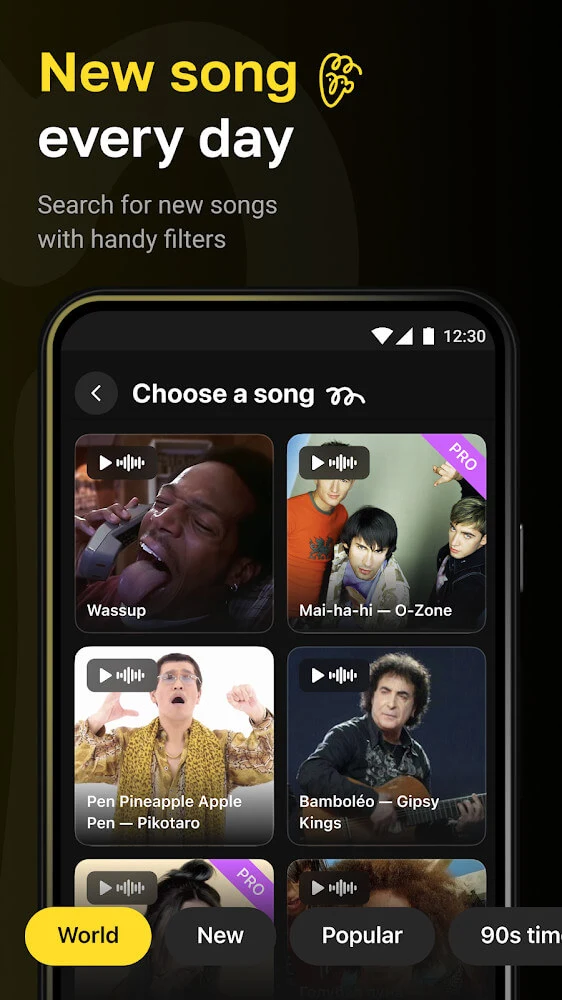
Beyond video transformation, the source describes several tools for still photos. Users can add songs from the app's music library to their pictures, and the source says the library includes a variety of tracks. The app can also create GIF animations with facial movements from your photos, a format the source presents as a way to show off photography work in motion.
The effects collection includes options such as blur, sharpening, face swap, and color change. The source says these can be applied in a few simple steps. It also says the developers add new effects through updates, although the source does not document how often those updates arrive.
Animated portraits and seasonal filters
Avatarify Mod also offers animation filters that turn static portrait images into animated versions. The source describes these as AI-powered filters intended to make expressions look natural. It lists themed filter sets for occasions including Valentine's Day, New Year's Eve, Father's and Mother's Day, Christmas, Thanksgiving, and birthdays, and states that each occasion has its own animated filters.
The source further states that new songs and animation filters are added regularly, with mentions of daily and weekly updates and seasonal themes. Because these are developer statements, the current release schedule is best checked in the app's listing or update notes.
Singing pictures and lip-sync
The summary in the source highlights what it calls singing pictures. Characters in a photo can be lip-synced to a background song selected from the app library, and the source says their eye, cheek, and face expressions are adjusted to suit the rhythm of the song. The source advises that the original photo should clearly show the faces of the characters, since facial detail affects the result.
Saving and sharing results
Finished animated portraits can be saved to a mobile device for later use. The source also says they can be shared directly with friends or uploaded to social networks, which fits the app's focus on short, shareable creative content.
Access, subscriptions, and listing checks
The source describes a free version with limited functionality and paid versions that add features. It also notes that some resources, such as certain premium music, are paid. User feedback in the source includes a report of a three-day trial that the reviewer said turned into a subscription they had tried to cancel, and another report of a subscription appearing on a newer device. These are individual experiences rather than verified app behavior, but they show why it is worth reviewing the pricing and subscription terms in the store listing before installing.
User feedback and limitations
Reviews in the source vary in focus. One reviewer reported no billing or crash problems and appreciated that pictures stay on the phone without being sent to a server, although rendering took a minute or two. The same reviewer wished for a way to save and reuse custom emotion templates, and for help files or FAQs. Another reviewer said the facial rendering needed work to look more realistic, while still enjoying the app overall. The source also mentions limitations on some resources, which are covered above.